

The Unstoppable Rise of AI: Transforming Industries and Reshaping the Future
It’s no longer the stuff of science fiction. Artificial Intelligence, or AI, has quietly moved from our cinema screens into the very fabric of our daily lives here in Malaysia. From the way we order our lunch to how our banks protect our finances, AI is the invisible engine powering a new wave of change. This technology is rapidly reshaping industries, creating new opportunities and presenting fresh challenges. As a nation known for its technological ambition, understanding this shift is not just interesting—it’s essential. In this article, we’ll explore how AI is making its mark on the Malaysian landscape, what it means for our businesses, and how we can all prepare for a future that is arriving faster than ever.

AI’s Footprint Across Malaysian Industries
Look around, and you’ll see that the adoption of AI is already well underway. It’s not just a trend reserved for global tech giants; local companies are actively integrating AI to become smarter and more competitive. In the bustling streets of Kuala Lumpur, AI algorithms are optimising delivery routes for food and parcels, ensuring they reach you faster. In the financial sector, banks are using sophisticated AI systems to detect fraudulent transactions in real-time, adding a powerful layer of security for consumers. Even in manufacturing, AI-powered robots and analytics are helping to improve production quality and efficiency on the factory floor. This widespread integration shows a clear commitment to building a more technologically advanced economy.
Smart Money and Smarter Meals
Two sectors where AI’s impact is particularly noticeable are fintech and food delivery. In the financial world, AI is a game-changer. Hedge funds and investment firms are using it to analyse market trends and make more informed trading decisions. For the everyday person, this technology powers the chatbots that provide instant customer support and the apps that offer personalised financial advice. The goal is to create a more seamless and secure banking experience for everyone.
Similarly, the food delivery sector, a staple for many Malaysians, relies heavily on AI. When you open your favourite food app, AI is working behind the scenes to recommend restaurants you might like based on your past orders. It predicts demand to ensure enough riders are available during peak lunch hours and calculates the most efficient routes to get your teh tarik and nasi lemak to you while they’re still hot. These are practical AI applications in Malaysia that improve our daily convenience.

The Opportunities for Local Businesses
For businesses across the country, AI presents a golden opportunity to grow and innovate. The most immediate benefit is a huge boost in efficiency. By automating repetitive and time-consuming tasks like data entry or customer scheduling, employees are freed up to focus on more strategic, creative work. This doesn’t just save time and money; it also boosts morale and productivity.
Beyond efficiency, AI enables better, data-driven decision-making. Businesses can now analyse customer behaviour, market trends, and operational data with incredible speed and accuracy. An e-commerce store in Penang can use AI to predict which products will be popular next month, while a logistics company in Johor Bahru can optimise its fleet management to reduce fuel costs. This strategic insight is key to gaining a competitive advantage in a crowded market. The growth of Malaysian businesses and AI adoption is becoming a defining feature of our modern economy.
Navigating the Challenges
Of course, the path to AI integration is not without its hurdles. One of the main challenges for smaller businesses is the initial cost and the perceived technical complexity. Developing or implementing AI solutions requires investment and expertise that may not be readily available. Furthermore, there’s a growing need for a skilled workforce that can develop, manage, and work alongside these new technologies.
Another critical consideration is data privacy and security. As businesses collect more data to fuel their AI systems, they also take on the responsibility of protecting it. With regulations like Malaysia’s Personal Data Protection Act (PDPA), ensuring that data is handled ethically and securely is not just good practice—it’s the law. Building trust with customers is paramount, and any failure to protect their data can have serious consequences.
What’s Next for AI in Malaysia?
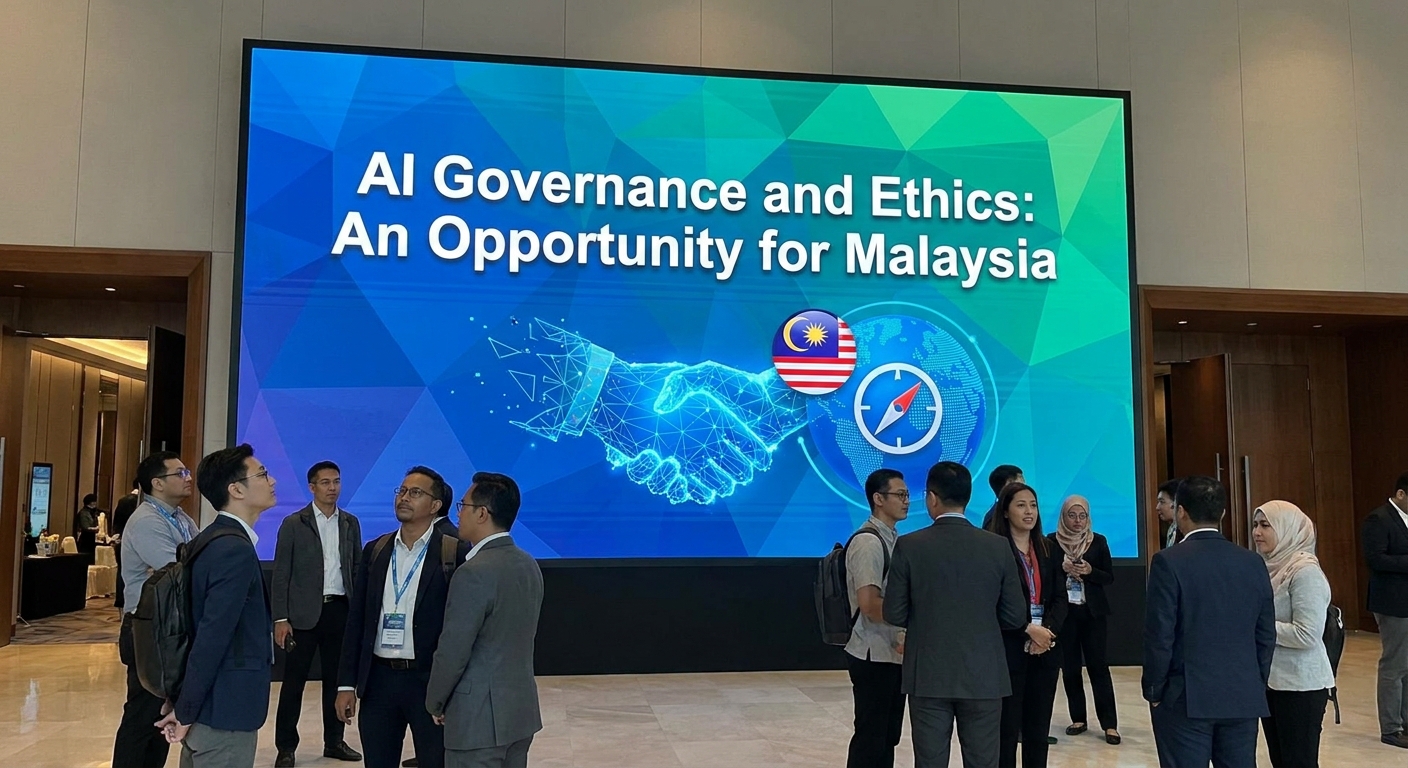
The future of AI in Malaysia looks incredibly bright. The government has recognised its importance through initiatives like the Malaysia AI Roadmap, which aims to create a supportive ecosystem for AI development and adoption. We expect to see continued investment from both the public and private sectors, driving further innovation across all industries. For consumers, this will likely mean more personalised services, smarter products, and greater convenience in their daily lives. For the workforce, it signals a shift towards new job roles that require skills in data science, machine learning, and AI ethics. Embracing lifelong learning will be crucial for staying relevant in this evolving job market.
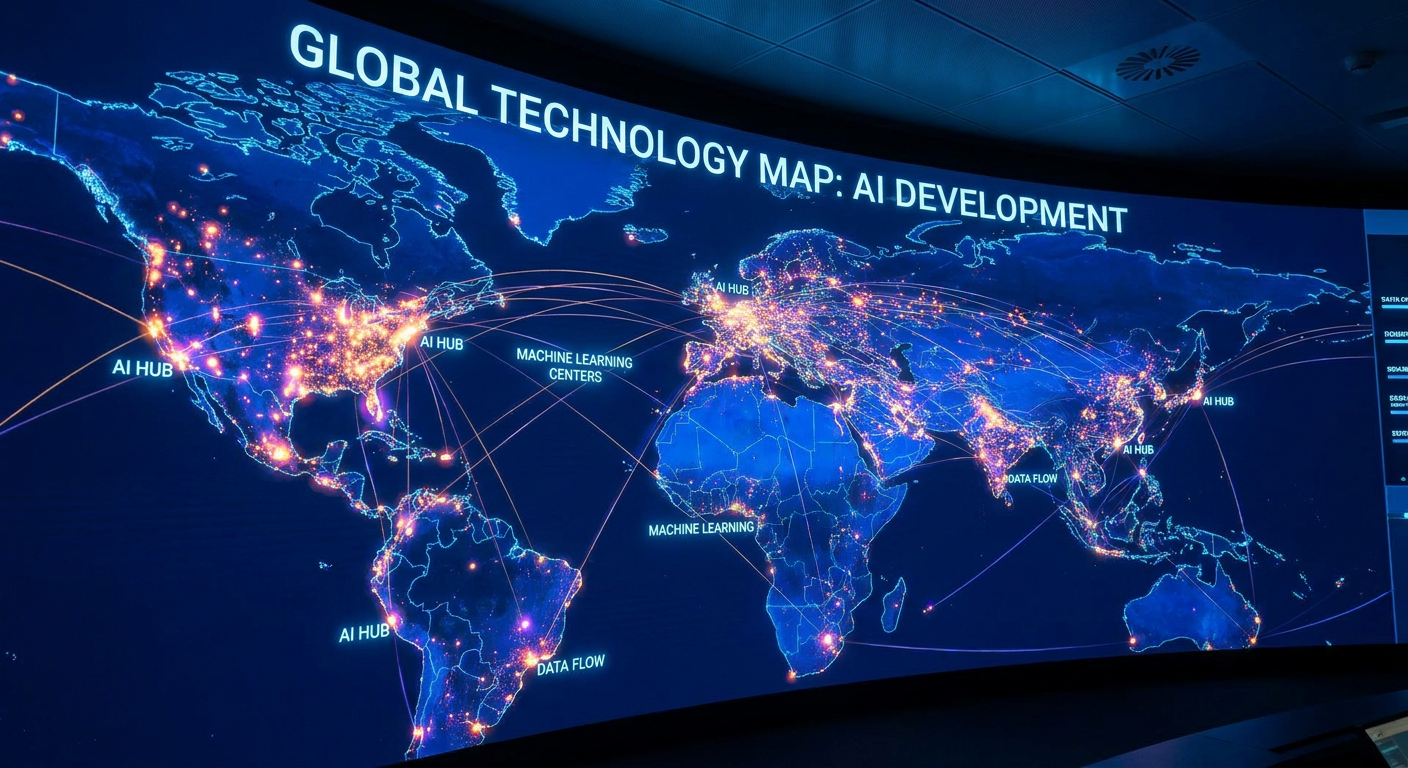
In summary, the rise of AI is transforming Malaysia at an impressive pace. We’ve seen how this powerful technology is already making a tangible difference in key sectors like fintech and food delivery, offering practical benefits to consumers. For companies, the opportunities for increased efficiency and data-driven innovation are immense, making the journey of Malaysian businesses and AI adoption an exciting one to watch. However, it’s important to navigate the challenges, such as the need for skilled talent and a strong focus on data privacy. As investment continues and more practical AI applications in Malaysia emerge, the key for businesses and individuals alike will be to adapt, learn, and embrace the changes to build a smarter, more prosperous future for all.

0 Comments