
That late-night craving for nasi lemak arriving at your doorstep, almost to the minute the app predicted? Or the investment app that suggests a portfolio perfectly suited to your financial goals? These small conveniences are powered by something much larger, a technological shift that is quietly reshaping our daily lives. Artificial Intelligence is no longer a concept from science fiction; it is here, and it is transforming how businesses operate and how we interact with the world around us. Here in Malaysia, this change is happening fast. In this article, we will explore how AI is making waves in key sectors, from the food you order to the way you invest, discuss the importance of using this technology responsibly, and look ahead to what the future holds.
Smarter Takeaways: AI in Malaysia’s Food Delivery
The convenience of food delivery has become a staple for many Malaysians. Behind the simple tap of a button on your smartphone lies a complex network powered by smart technology. When you browse a food delivery app, it is AI that analyses your past orders and preferences to suggest new restaurants or dishes you might enjoy. This creates a more personalised and engaging experience for users.
But the technology goes deeper. AI algorithms work tirelessly in the background to predict preparation and delivery times by factoring in real-time information like kitchen traffic, rider availability, and road conditions in cities like Kuala Lumpur or Penang. This allows for more accurate delivery estimates and helps optimise routes for riders, ensuring your food arrives faster and fresher. It is a brilliant example of how AI can improve efficiency in a highly competitive industry.

AI-Driven Finances: A New Approach to Investment
Moving from daily convenience to significant financial decisions, AI is also making a notable impact on Malaysia’s financial sector. The rise of robo-advisors—digital platforms that provide automated, algorithm-driven financial planning services—is a clear sign of this shift. Companies operating in Malaysia now use AI to analyse a user’s financial situation and risk tolerance, creating and managing investment portfolios with little to no human supervision. This has made investing more accessible and affordable for a wider audience.
Beyond personal investing, established banks and financial institutions are also integrating AI in Malaysia for critical functions. This includes sophisticated fraud detection systems that can spot unusual transaction patterns in real-time and customer service chatbots that provide instant support 24/7. This growing reliance on AI shows an increasing trust in its ability to handle complex and important financial tasks securely and efficiently.
Building Trust: The Importance of Responsible AI
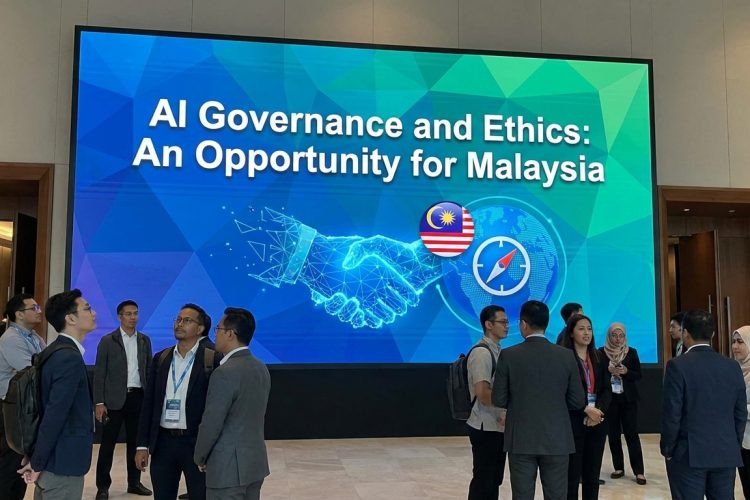
As we embrace the benefits of AI, we must also address the challenges that come with it. For this technology to be truly successful and accepted, it must be implemented responsibly. This means ensuring that the AI systems we use are fair, transparent, and ethical. Businesses must be open about how their AI models make decisions, especially in sensitive areas like finance or recruitment.
Furthermore, data privacy is a major concern. AI systems are trained on huge amounts of data, and as users, we need assurance that our personal information is protected in line with regulations like Malaysia’s Personal Data Protection Act (PDPA). The government has recognised the importance of this, developing frameworks like the Malaysia AI Roadmap (MyAIR) to guide the ethical development of AI and build a foundation of trust between technology providers and the public. The successful Artificial Intelligence Adoption in Malaysian Industries hinges on getting this right.

The Next Frontier for AI in Malaysia
While food delivery and finance are prominent examples, they are just the beginning. The next wave of Artificial Intelligence Adoption in Malaysian Industries is set to transform other critical sectors. In healthcare, AI is being developed to help doctors analyse medical images like X-rays and MRIs with greater speed and accuracy, potentially leading to earlier diagnoses. In manufacturing, AI is a cornerstone of Industry 4.0, powering smart factories where it can predict machine maintenance needs and automate quality control, boosting productivity and competitiveness on a global scale.
We are also seeing AI being integrated into smart city initiatives across the country. From managing traffic flow in congested urban centres to optimising energy consumption in buildings, AI offers practical solutions to create more sustainable and liveable cities for all Malaysians. These advancements promise to bring even more profound changes to our economy and society.
Conclusion: Charting Malaysia’s AI-Powered Future
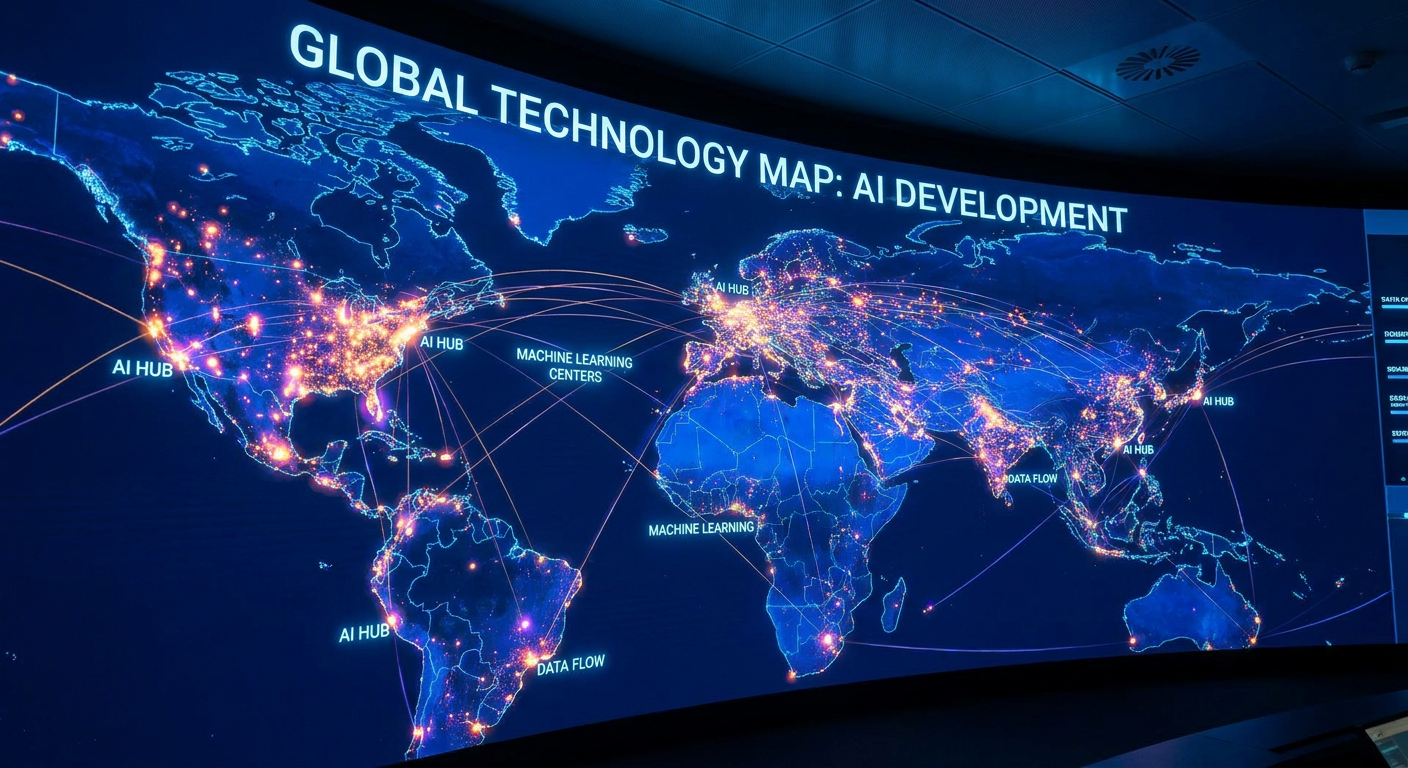
From the convenience of a personalised food order to the complexities of automated investing and the future of our industries, it is clear that AI is weaving itself into the fabric of our nation. This technology is no longer a distant dream but a powerful tool that is already delivering real-world benefits. As we have explored, its impact is being felt across various sectors, creating efficiencies and opening up new opportunities for growth and innovation. Looking ahead, the journey will require a balanced approach—one that enthusiastically embraces the potential of AI in Malaysia while remaining firmly committed to its responsible and ethical implementation. By continuing to invest in talent, infrastructure, and clear governance, Malaysia is well-positioned to not only adapt to this technological wave but to become a significant player in the AI-driven economy of Southeast Asia.

0 Comments