
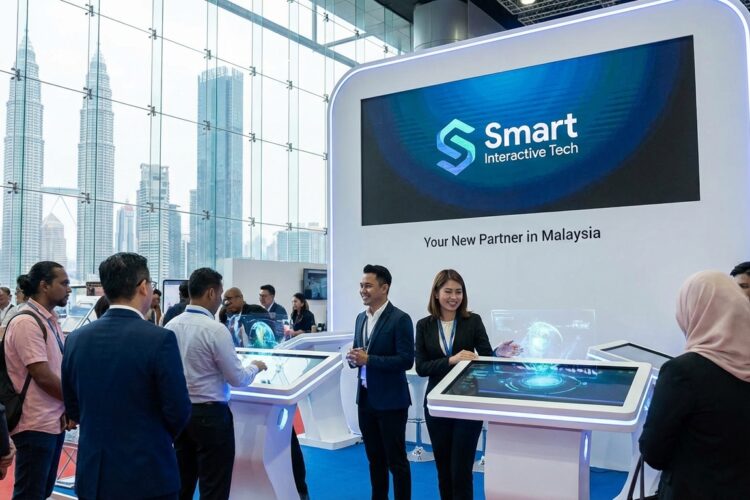
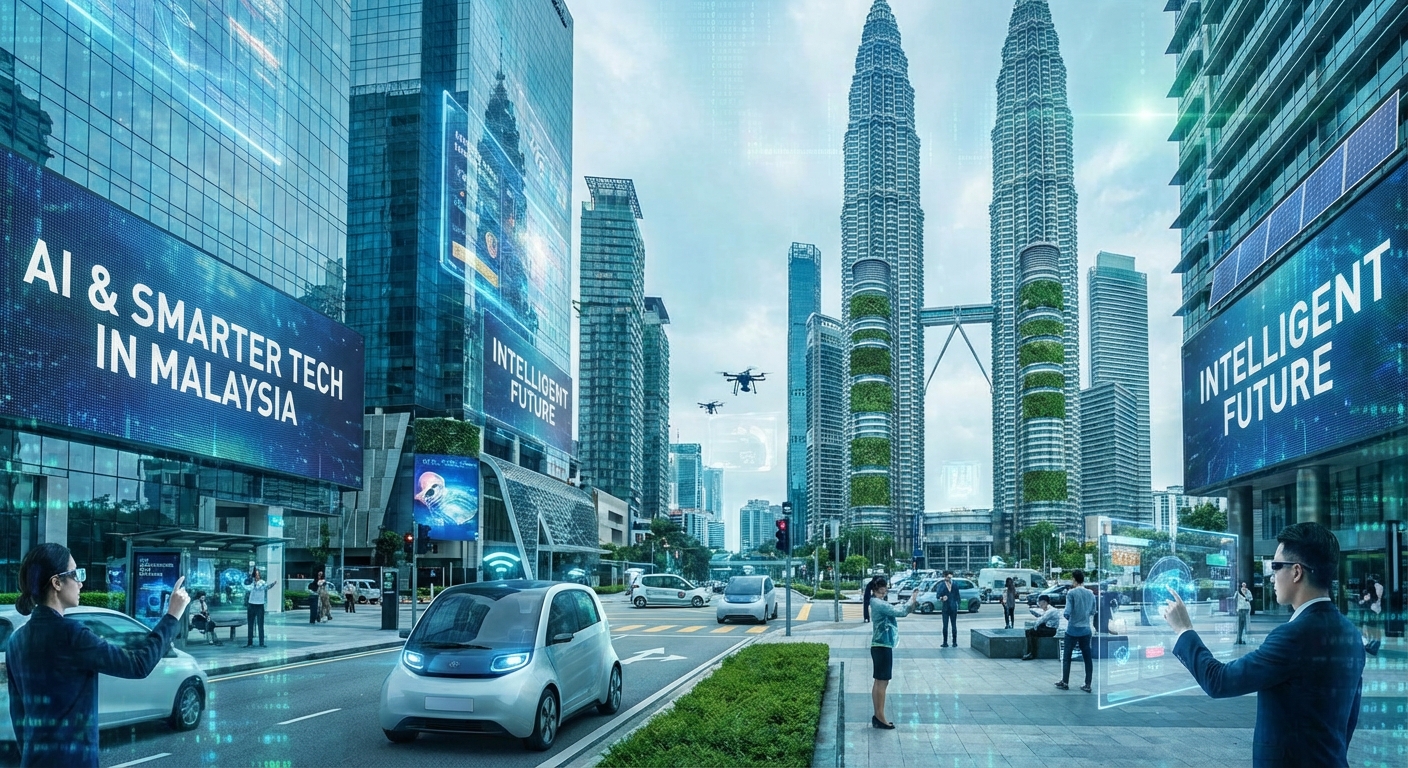
Ever felt like your devices are starting to understand you a little better each day? Your favourite music app crafts the perfect playlist for your mood, and your navigation app pre-empts your journey home from the office. This isn’t a coincidence; it’s a quiet revolution. Technology is no longer just a set of tools we command. Instead, it’s evolving into an intelligent partner, one that listens, learns, and engages with us. Across Malaysia, we are at the forefront of this change, witnessing how digital interactions are becoming more personal and intuitive. This article explores this exciting shift, looking at how smart, interactive technology is moving from the background to become an active participant in our daily lives.
From Passive Tools to Responsive Partners
For decades, our relationship with technology was a one-way street. We pressed buttons, and a device performed a function. Think of the old television remote—a simple tool for a simple command. Today, that relationship has fundamentally changed. We’ve moved from passive commands to active conversations. Your smart TV doesn’t just change channels; it learns your viewing habits and suggests a new series you might love. This shift is powered by technology that responds and adapts to our behaviour, creating a two-way dialogue that makes our interactions feel more natural and engaging.
Redefining Play and Entertainment
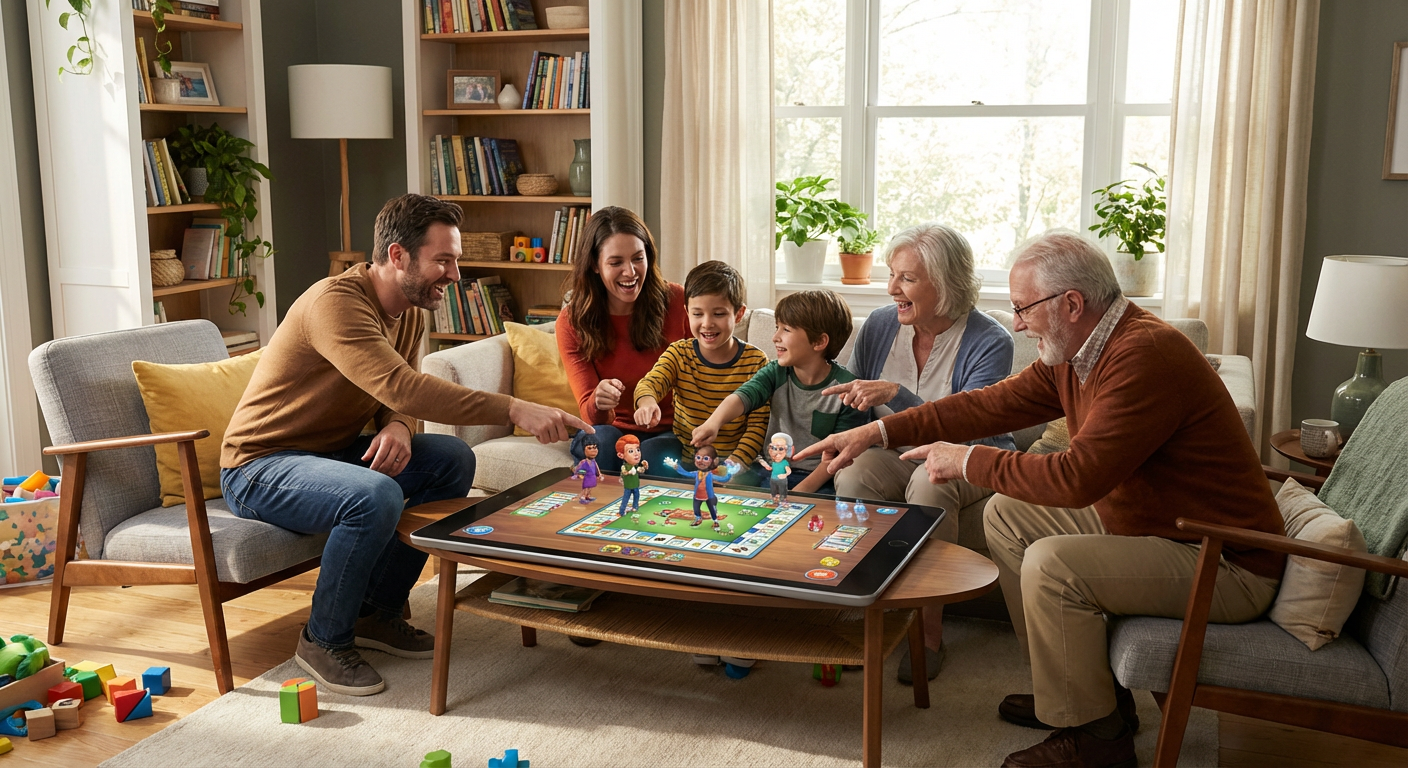
Nowhere is this shift more apparent than in the worlds of play and entertainment. Take Lego, a brand synonymous with classic, hands-on creativity. Their new smart bricks, found in sets like Lego Super Mario, contain sensors that detect colour and motion. Suddenly, a physical creation can interact with a digital app, earning points and reacting to how a child plays. It transforms building from a static activity into a dynamic and responsive experience.
Similarly, Spotify has evolved far beyond a simple music library. Through its advanced podcast studios and powerful algorithms, it curates a deeply personal audio world for each user. It doesn’t just play songs; it anticipates your mood, introduces you to new artists, and seamlessly blends music and podcasts into a single, flowing experience. This is technology that doesn’t just serve content—it understands context.
The Malaysian Experience with Smart Technology
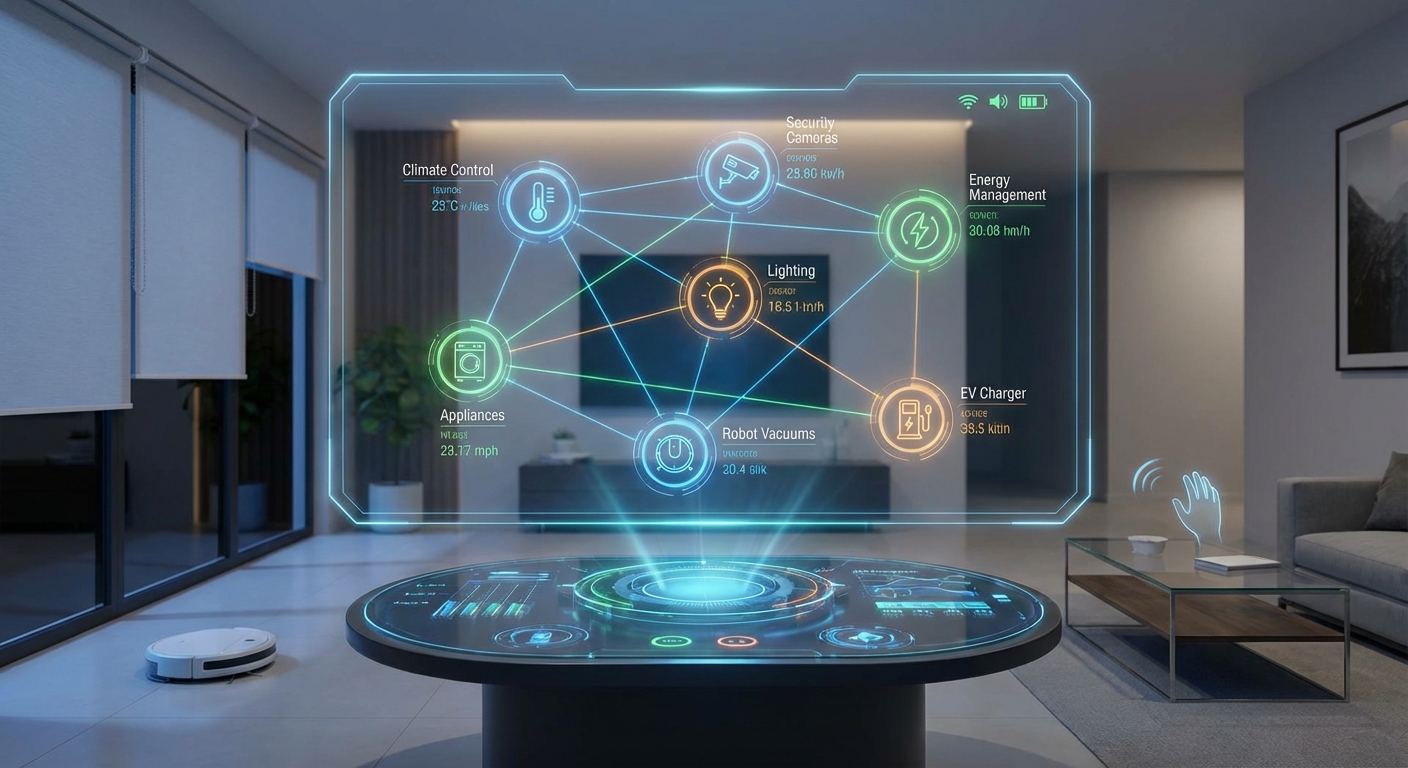
Here in Malaysia, the appetite for smarter technology is growing rapidly. The adoption of smart home technology is a perfect example. More and more households are integrating devices like smart speakers, automated lighting, and intelligent security systems. These devices learn our routines, offering convenience that feels almost predictive. You walk into a room, and the lights turn on. You leave for work, and the doors lock automatically. This is where the lines between the user and the technology begin to blur.
For this technology to be successful, a brilliant interactive user experience design is essential. Malaysians are tech-savvy; we expect our digital tools to be intuitive and hassle-free. The most successful smart products are those that feel less like a gadget and more like a natural extension of our home and lifestyle.
A Future Woven Seamlessly into Our Lives
Looking ahead, the goal of smart interactive technology is to become so seamless that it’s almost invisible. Imagine a home where your environment adjusts automatically to your needs throughout the day. Your blinds open gently with the morning sun, your coffee machine starts brewing as your alarm goes off, and your workspace lighting adjusts for a late-night project. This interconnected ecosystem represents the future of smart home technology, where devices communicate with each other to create a truly responsive living space.
Transforming How We Work, Learn, and Play
This trend extends far beyond the home, set to reshape every part of our lives. In education, interactive whiteboards and adaptive learning apps are making lessons more engaging and personalised for students. In the workplace, AI-powered tools are helping us manage our time more effectively, automating routine tasks and freeing us up to focus on creative problem-solving. A well-thought-out interactive user experience design in these professional tools is key to boosting productivity without adding complexity.
Whether for entertainment, education, or professional growth, this new generation of technology is empowering us to be more creative, efficient, and connected in ways we are only just beginning to explore.
In conclusion, we are moving decisively away from an era of passive devices and into a future defined by intelligent interaction. As we’ve seen with innovations from Lego and Spotify, and in the adoption of smart systems across Malaysia, technology is becoming a more adaptive and personal companion. This isn’t about replacing human connection but enhancing our capabilities and simplifying our lives. The journey ahead will see these smart technologies become even more integrated into our daily routines, transforming how we learn, work, and entertain ourselves. By embracing this evolution, we are not just adopting new gadgets; we are stepping into a more responsive and empowered digital future.

0 Comments