
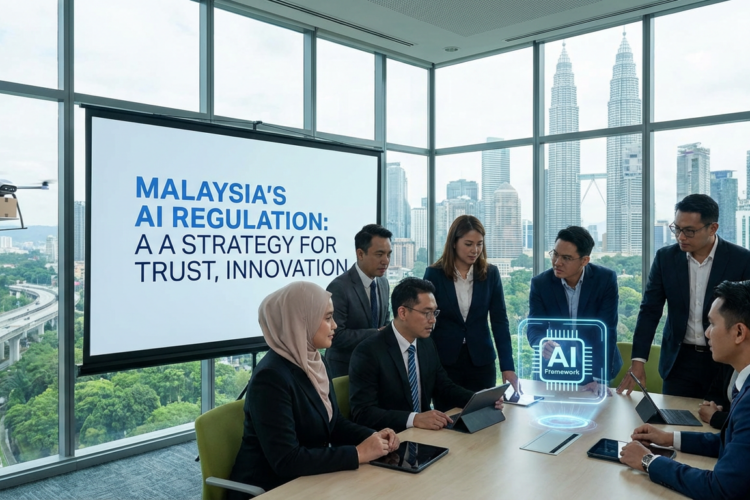
A new digital frontier is unfolding before our eyes, and the world is in a race to write the rules. As Artificial Intelligence (AI) weaves itself into the fabric of our daily lives, nations are no longer just asking “what can AI do?” but “how should we manage it?”. From the United States to Taiwan, governments are actively shaping the future of this powerful technology. This global conversation presents a unique and exciting opportunity for Malaysia. It’s our chance to learn from the world’s leaders, carve out our own path, and build an AI ecosystem that is both innovative and responsible. By understanding these international shifts, we can position Malaysia not just as a participant, but as a thoughtful leader in the digital economy of tomorrow.
A World in Motion: Learning from Global AI Strategies
Looking abroad, we see a clear trend: proactive and strategic AI governance. In the United States, the focus is increasingly on safety and accountability. The government is now pushing for measures that require AI vendors to assess and report on political biases in their systems. This move is not about stifling technology; it’s about building public trust and ensuring that AI tools are fair and transparent. Over in Asia, Taiwan is pursuing a “sovereign AI” initiative. Leveraging its world-class semiconductor industry, Taiwan is building its own AI infrastructure from the ground up. This strategic decision aims to reduce dependency on foreign technology, secure its digital future, and ensure that its economic growth is powered by its own innovations. These examples show that a successful AI strategy is not just about development, but also about direction and control.

Malaysia’s Moment in the Digital Spotlight
These global currents arrive at a perfect time for Malaysia. With national ambitions like the MyDIGITAL blueprint already in place, our nation is primed for a digital leap. The lessons from the US and Taiwan are not templates to be copied, but valuable case studies to learn from. We don’t have to follow the same path; instead, we can adapt their insights to fit our unique cultural and economic landscape. This is our chance to develop policies that encourage local tech companies to flourish while safeguarding the interests of our citizens. By observing how others navigate the challenges of AI, Malaysia can create a framework that is both modern and tailored to our specific needs, potentially avoiding some of the hurdles that early adopters have faced.
Crafting a Balanced Approach for Innovation and Trust
The key to unlocking Malaysia’s AI potential lies in finding the right balance. We want to be a nation where new ideas can thrive and where tech entrepreneurs have the freedom to innovate. At the same time, we must ensure that this progress does not come at the cost of public trust or safety. This is where a clear and thoughtful approach to AI Regulation Malaysia becomes essential. The goal of regulation should not be to create barriers, but to build guardrails. It provides a predictable environment where businesses know the rules of the game and citizens feel confident that their data is protected and that AI systems are being used responsibly. This foundation of trust is crucial for the widespread adoption of any new technology.

The Pillars of Responsible Technology
Moving beyond just rules and regulations, we need to foster a culture of responsibility within our tech community. This is why promoting Ethical AI Development Malaysia is so important. It’s about building technology with a conscience. This involves a commitment to several core principles. Firstly, fairness, which means actively working to prevent AI systems from creating or amplifying biases against any group in our diverse society. Secondly, accountability; if an AI system makes a mistake, there must be a clear line of responsibility. Finally, transparency, ensuring that we can, to a reasonable extent, understand how an AI system arrives at its conclusions. By embedding these values into our development process, Malaysian tech can earn a reputation for quality and integrity.
Forging Malaysia’s Path as a Digital Leader
By bringing these elements together, Malaysia can create a powerful competitive advantage. A well-defined framework for AI Regulation Malaysia will signal to the world that we are a mature, stable, and forward-thinking market, making our country an attractive destination for foreign investment and top talent. Furthermore, a strong reputation for Ethical AI Development Malaysia can become a unique selling point for our homegrown technology on the global stage. As consumers and businesses worldwide become more discerning about the technology they use, products that are verifiably fair and transparent will have a distinct edge. Strategic initiatives like public-private partnerships and dedicated “sandboxes” for testing new AI solutions safely will accelerate this journey, turning our vision into a reality.
In conclusion, the future of AI is not something that will simply happen to us; it is something we have the power to shape. The global landscape, with its focus on governance and strategic independence, offers Malaysia an invaluable playbook. By learning from the experiences of nations like the United States and Taiwan, we can craft our own intelligent approach. Our goal should be to build a vibrant AI ecosystem where innovation is encouraged, but not at the expense of responsibility. Through smart regulation, a deep commitment to ethical principles, and strategic investment in our local talent, we can build a future where Malaysia stands proudly as a competitive and conscientious player in the global digital economy, ready to embrace the possibilities of AI with confidence.

0 Comments