
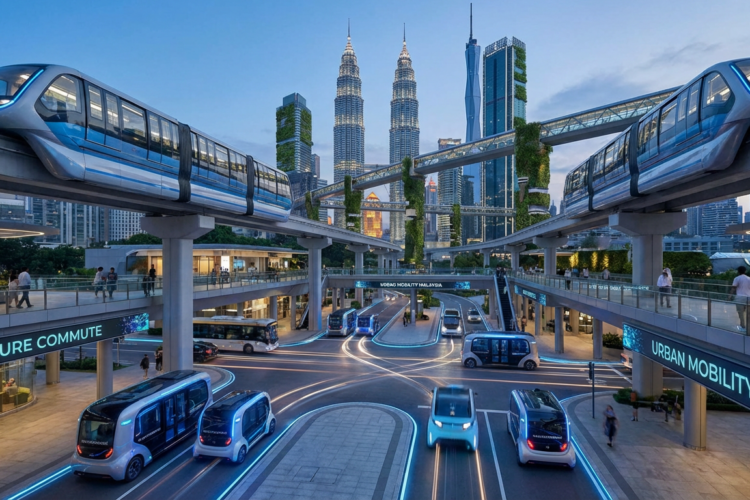
Imagine leaving your home in Petaling Jaya and arriving in Kuala Lumpur’s city centre in under 15 minutes, not by navigating the gridlocked Federal Highway, but by flying over it. This isn’t a scene from a science fiction film; it is the near future being built today. The daily struggle of urban commuting is a narrative every Malaysian city-dweller knows by heart. But what if we told you the story is about to change dramatically? A revolution in Urban Mobility and Autonomous Transportation is already underway globally, promising to redefine our relationship with our cities. From self-driving cars to electric air taxis, these innovations are moving from blueprints to reality, forcing us to ask a crucial question: How will Malaysia embrace this new era?
The Sky and Streets of Tomorrow are Here Today
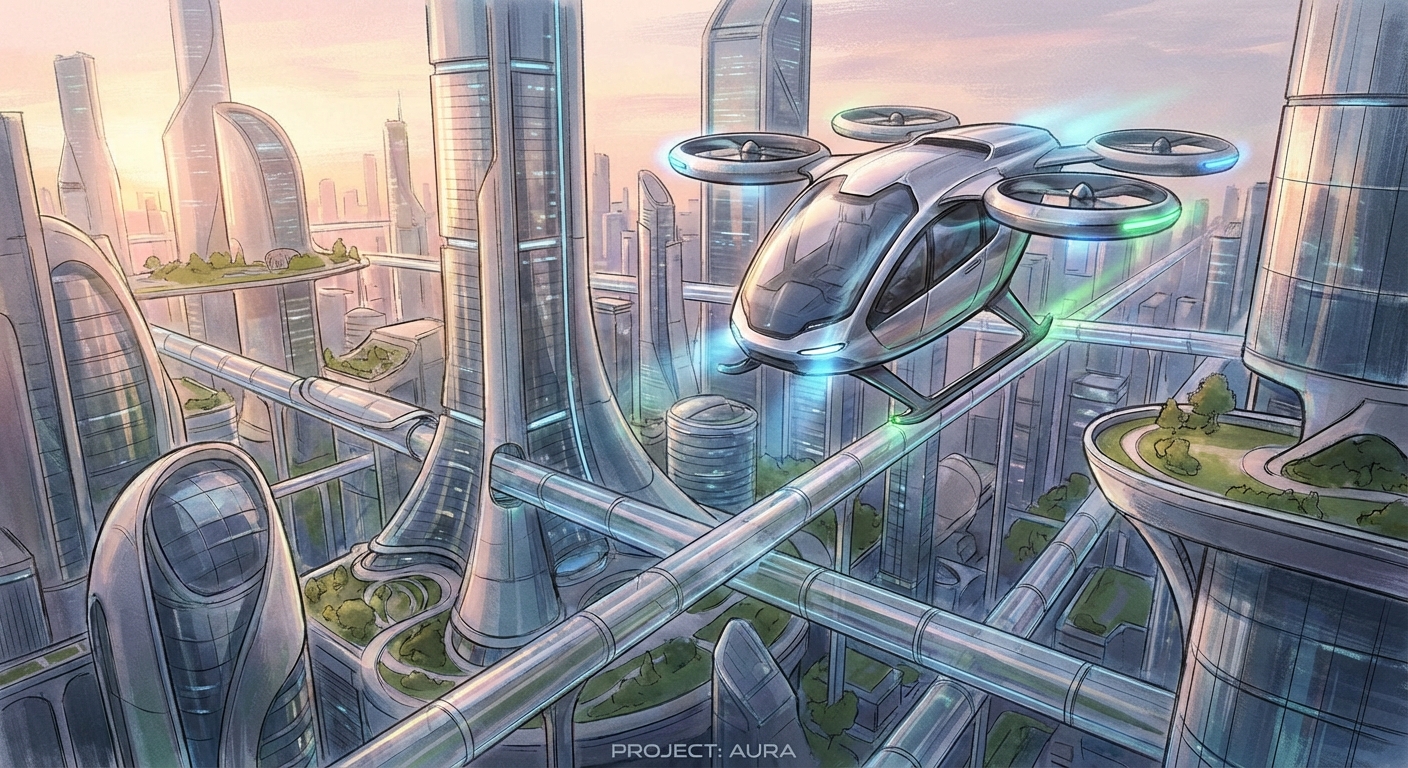
While we grapple with traffic jams, other major world cities are already trialling the solutions. Look at London, which has ambitious plans to launch commercial flying taxi services as early as 2028. Companies are developing “vertiports,” specialised terminals for these electric vertical take-off and landing (eVTOL) aircraft. This isn’t just a concept; it’s a backed initiative to slash cross-city travel times. Meanwhile, on the ground, cities like San Francisco and Phoenix in the United States already have fully autonomous robotaxis navigating their streets, picking up and dropping off passengers without a human driver behind the wheel. These examples showcase how advanced urban mobility technology is rapidly maturing, moving from experimental phases to practical, everyday applications that are changing urban life.
What’s in It for a Malaysian City?
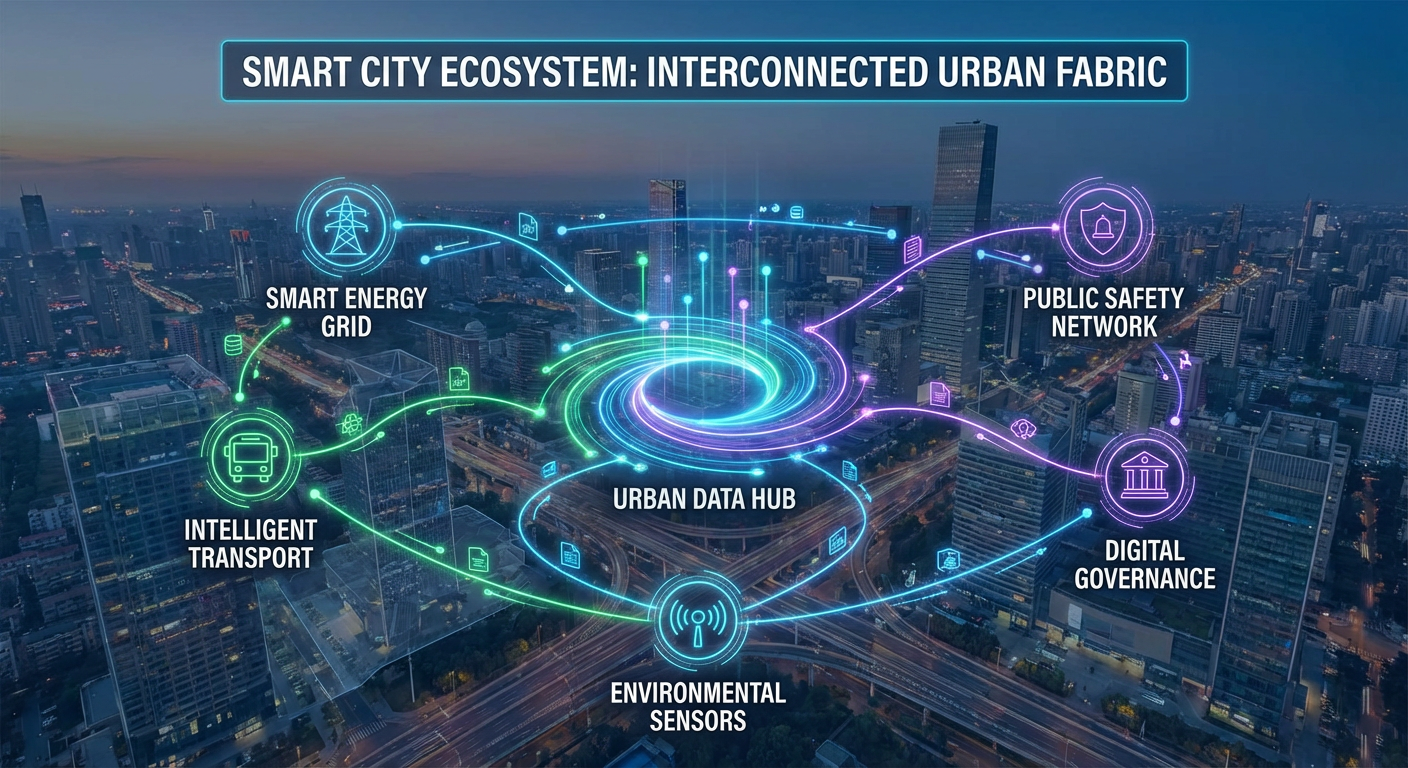
The appeal of these technologies goes far beyond simply being new and exciting. For densely populated areas like the Klang Valley, Penang, and Johor Bahru, the benefits could be transformative. The most obvious advantage is the potential for much faster and more predictable commutes. This would give people back valuable hours lost to traffic congestion. Furthermore, as most of these futuristic vehicles are electric, they promise a significant reduction in carbon emissions and urban noise pollution, contributing to cleaner air and quieter streets. This leap forward is a cornerstone of modern urban planning, forming the very backbone of a future smart city transportation network designed for efficiency and sustainability.
The Important Questions We Must Ask
However, embracing this future requires us to look beyond the slick designs and impressive speeds. We must have a serious conversation about the challenges. Safety is, without a doubt, the number one concern. How can we be certain that an autonomous vehicle or an air taxi’s software is infallible, especially in unpredictable situations like a sudden tropical thunderstorm in Selangor? Then there is the issue of privacy. These vehicles will collect huge amounts of data—our travel routes, our destinations, and our habits. Who controls this data, and how will it be protected? Lastly, technological reliability is crucial. The systems must be robust enough to handle Malaysia’s unique environment, from its varied road quality to its need for a powerful and stable 5G network to function.
Charting Malaysia’s Path Forward
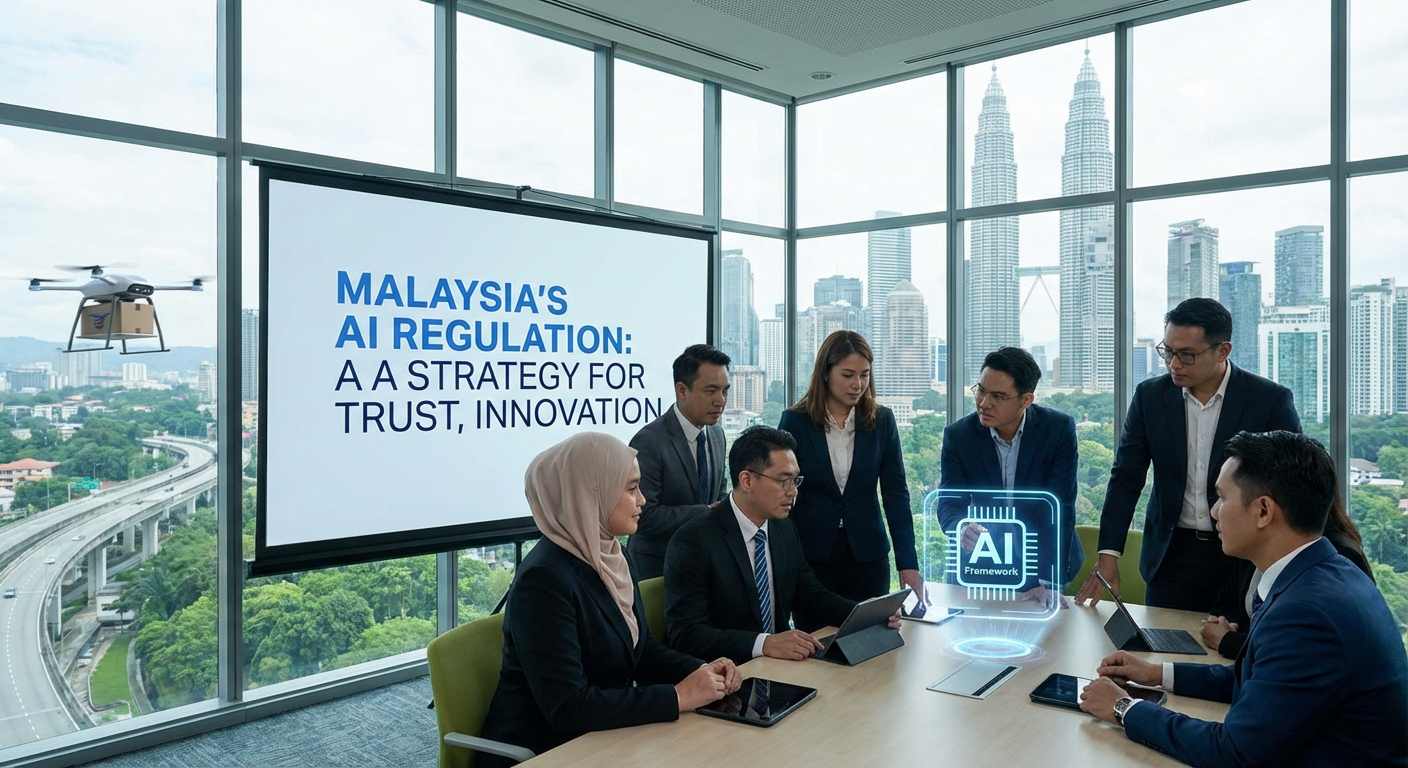
The good news is that Malaysia is not starting from scratch. Our government’s National Automotive Policy (NAP) 2020 already sets a direction towards next-generation vehicles and connected mobility. This provides a foundation, but to truly prepare for these Advanced Urban Transportation Technologies, we need to accelerate our efforts. This means developing clear regulations for autonomous and aerial vehicles, investing in the necessary digital and physical infrastructure, and, importantly, fostering public trust and acceptance. It is about upgrading our entire ecosystem of urban mobility technology to ensure we are not just consumers of these innovations, but active participants in shaping how they areIntegrated into our society.
As we look to the decade ahead, it is clear that the conversation is shifting. The developments in Urban Mobility and Autonomous Transportation are not merely about creating faster cars or personal drones; they represent a fundamental rethinking of how we design, live in, and connect within our urban spaces. For Malaysia, this is a pivotal moment. By addressing the challenges of safety, privacy, and infrastructure head-on, we can move beyond the excitement and begin the practical work of building a future-proof smart city transportation network. This journey will require collaboration between policymakers, innovators, and the public. By making smart decisions today, we can ensure that these Advanced Urban Transportation Technologies help us build cities that are not just more efficient, but also more liveable and sustainable for generations to come.


0 Comments