
Bridging the Digital Divide: Technology for All Malaysians
Imagine your grandmother’s delight when she sees her grandchild’s face on a video call for the first time, or the relief of an uncle in a small town who can finally pay his bills online without a long trip to the bank. These moments are the true promise of technology. As Malaysia races towards a fully digital future, we see incredible advancements in everything from artificial intelligence to e-commerce. Yet, this rapid progress brings a crucial question: are we bringing everyone along for the journey? The conversation must move beyond just having the latest gadgets; it’s about ensuring every Malaysian, regardless of age or background, can confidently use these tools. It is our belief that true progress means leaving no one behind in this new digital era.
The Evolving Digital Landscape in Malaysia
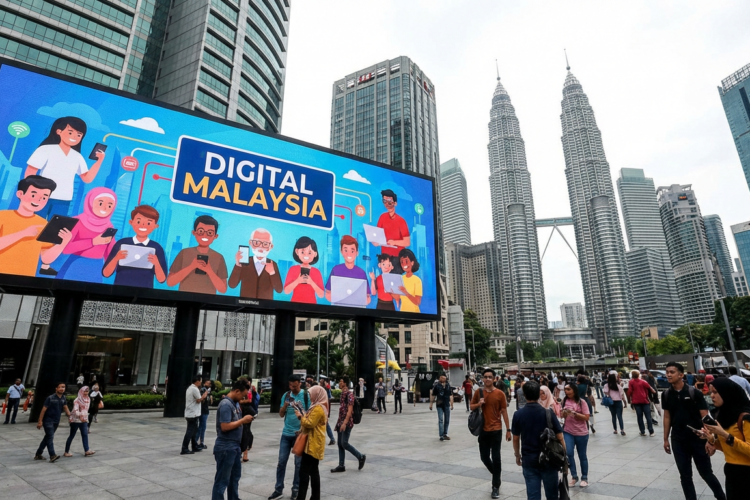
Malaysia is on a fast track to becoming a digital-first nation. Ambitious national plans like the MyDIGITAL blueprint are steering the country towards a thriving digital economy. Everywhere you look, technology is reshaping how we live, work, and connect. From ordering food with a few taps to managing finances through apps, the convenience is undeniable. However, this speedy transition also highlights a growing gap. While many embrace these changes with ease, a significant part of our population finds themselves standing on the other side of a digital divide. The opportunities are massive, but so are the risks of excluding those who are not yet comfortable with this new way of life.

Addressing the Digital Divide
For many seniors and less tech-savvy individuals, the digital world can feel intimidating. The fear of clicking the wrong button, getting scammed, or simply not understanding the jargon creates real barriers. These are some of the most common technology adoption challenges in Malaysia. It isn’t just about a lack of skills; it’s about designs that aren’t intuitive for a first-time user. Complex interfaces and multi-step processes can quickly become frustrating. To bridge this gap, the focus must shift towards creating user-friendly technology. This means simpler menus, larger fonts, clear instructions, and secure platforms that build user trust. Accessibility should not be an afterthought; it must be at the core of product design.
Empowering Through Digital Literacy
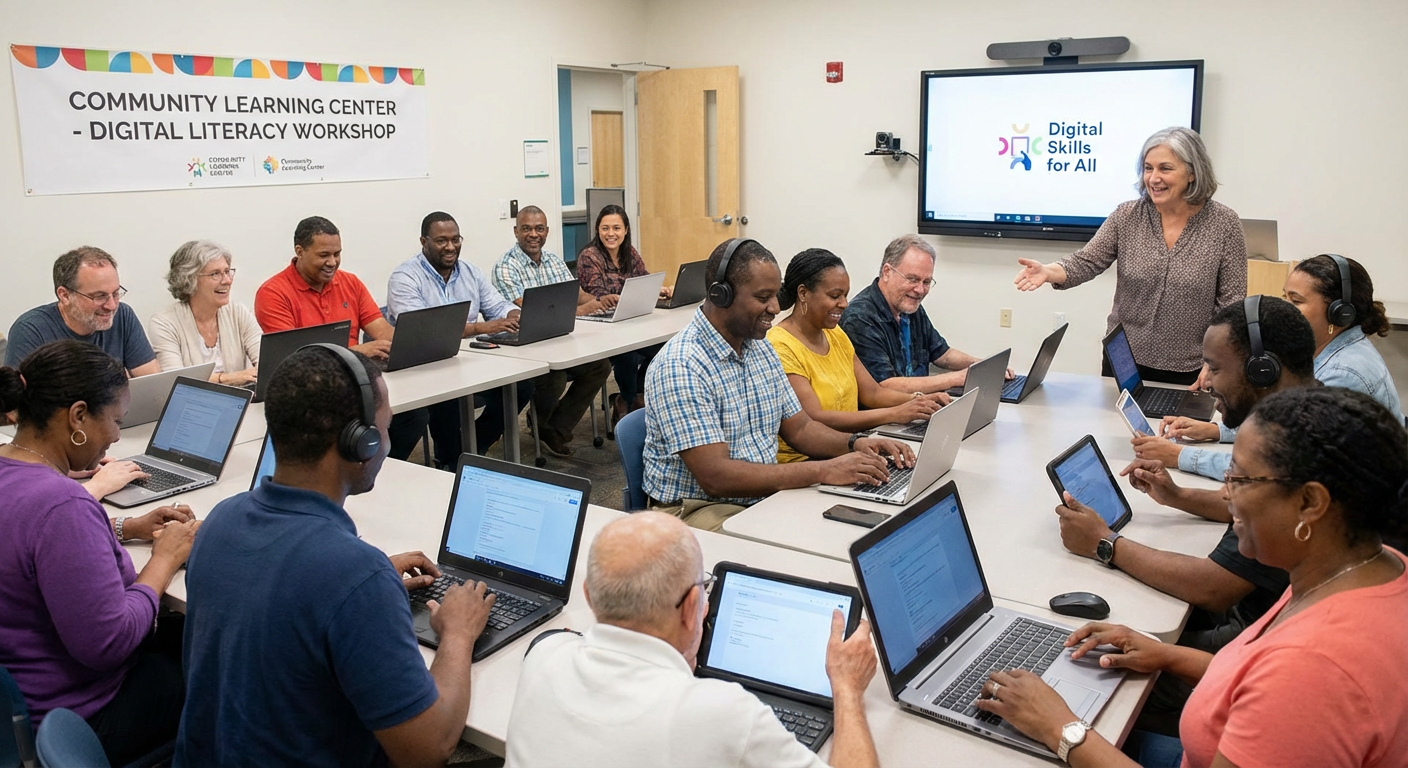
Handing someone a smartphone is not enough. True empowerment comes from knowledge and confidence. This is where comprehensive digital literacy programmes become so important. We need more than just one-off workshops; we need supportive learning environments where people can ask questions without feeling embarrassed. These programmes should cover practical, everyday skills: how to use an e-wallet safely, how to spot an online scam, and how to stay connected with family through social media. Community centres, local libraries, and even family members can play a huge role in fostering this supportive ecosystem, turning fearful beginners into confident digital citizens. The goal isn’t to create tech experts, but to ensure everyone can participate in society safely and effectively.
Embracing AI and Emerging Technologies
Artificial Intelligence, or AI, is often spoken about in complex terms, but its benefits can be very simple. Think of apps that help you navigate traffic, offer customer service support 24/7, or even provide health reminders. These are AI-powered solutions that can make life easier for all Malaysians. The key is to ensure these technologies are designed inclusively. For instance, AI-driven voice assistants can be a great help for seniors or those with visual impairments. As we continue the digital transformation in Malaysia, we must guide the development of AI to solve real-world problems for everyone, ensuring that its powerful capabilities serve our entire community, not just a select few.
Building a Connected and Competent Society
Creating a digitally inclusive Malaysia is a shared responsibility. It requires a joint effort from the government, private sector, and the community. The government can lead by ensuring robust internet infrastructure reaches every corner of the country and by promoting digital education policies. Technology companies have a duty to design products that are accessible to people of all ages and abilities. And as a community, we all have a part to play, whether it’s patiently teaching a parent how to use a new app or supporting local initiatives that offer digital skills training. Overcoming the technology adoption challenges in Malaysia is not a technical problem; it’s a human one that we can solve together.
Ultimately, the success of our nation’s digital journey will be measured not by the sophistication of our technology, but by how many of our people can benefit from it. The goal of a comprehensive digital transformation in Malaysia is to build a more connected, informed, and capable society where technology acts as a bridge, not a barrier. By focusing on user-friendly design, investing in widespread digital literacy, and fostering a culture of patience and support, we can ensure that the digital future is a brighter one for every Malaysian. It is our collective effort that will turn the vision of a truly inclusive digital nation into a reality, empowering citizens from all walks of life to thrive in this exciting new age.

0 Comments