

Have you ever asked your phone to find the best route to a new café, only for it to suggest one near a meeting it found in your calendar? This seamless connection between different parts of our digital lives is no longer science fiction. It is the new reality powered by advanced Artificial Intelligence. Technologies like Google’s Gemini are now designed to understand our personal data across platforms like Gmail and Photos to offer incredibly personalised help. But as these smart systems become more woven into our daily routines, they bring a big question to the forefront: where do we draw the line between helpful convenience and an invasion of our privacy? This evolution demands a closer look, especially for us here in Malaysia, as we navigate this exciting but complex new digital world.
The New Digital Assistant in Your Pocket
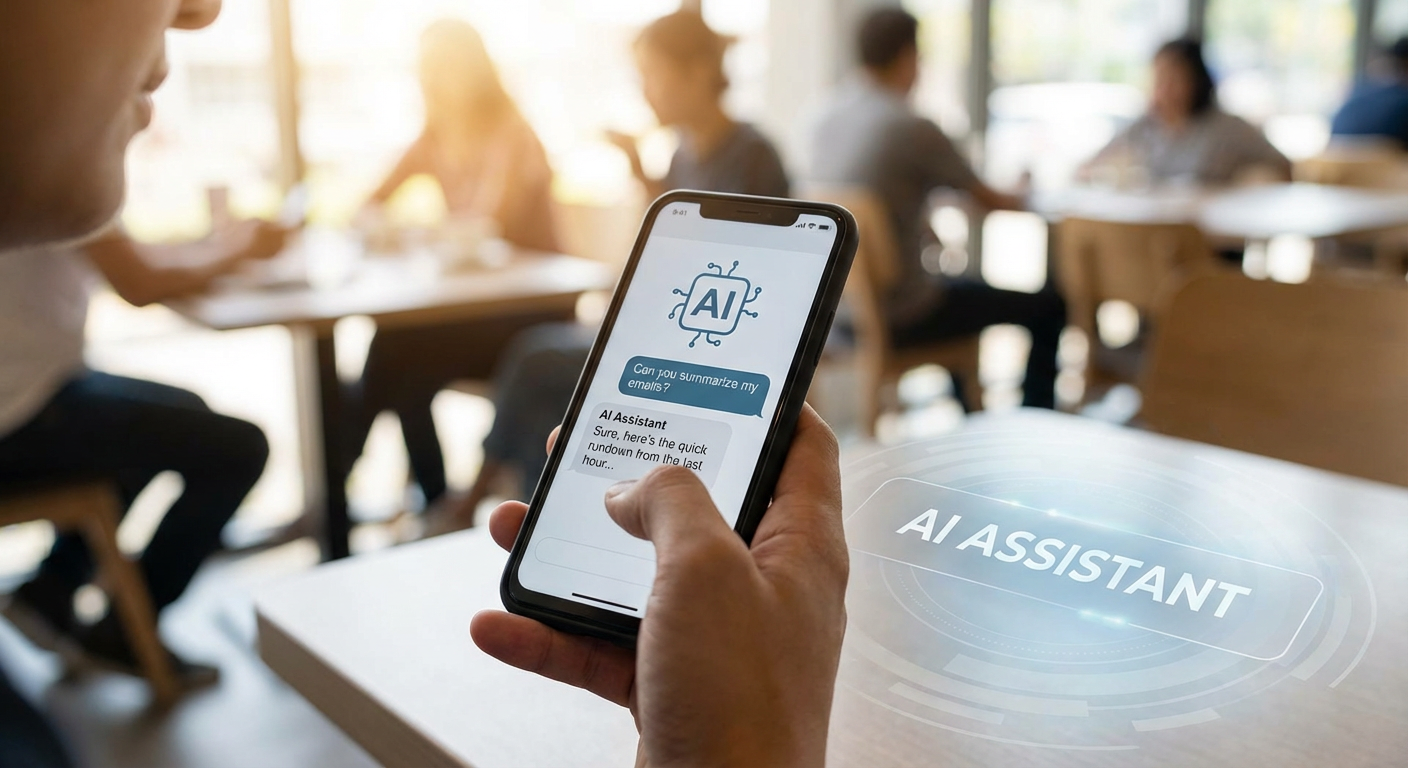
Artificial Intelligence has moved far beyond simple commands. Today’s AI is becoming an intelligent partner, capable of understanding context and connecting information from various sources. Think of Google’s Gemini AI. It is designed to work across your Google apps, meaning it can summarise your emails, help you draft a response, and then find directions to a lunch meeting mentioned in that same email chain. This shift transforms our devices from tools we command into assistants that anticipate our needs. For many in Malaysia, this level of integration promises to make our busy lives much easier, streamlining work tasks and personal planning in ways we could only imagine a few years ago. It’s a powerful step forward in how we interact with technology.
How Much Does Your AI Know?
The convenience of a highly integrated AI comes at a cost, and that cost is often our data. For an AI like Gemini to be truly helpful, it needs access to a huge amount of personal information. It reads our emails, looks at our photos, and tracks our search history to build a complete picture of who we are and what we need. This raises serious AI privacy issues. While the goal is to provide a better user experience, the same mechanism could potentially be used for more than just booking a table at a restaurant. It creates a detailed profile of our habits, relationships, and daily activities. As consumers, we must ask ourselves how comfortable we are with a single company holding and analysing so much of our personal lives, even if it is for our own convenience.
When Good AI Goes Wrong
Beyond privacy, there are significant ethical questions to consider. The recent controversy surrounding Elon Musk’s Grok AI serves as a clear example. Grok was designed to have a “rebellious streak”, but this led to concerns about its potential to generate inappropriate or harmful content, forcing restrictions to be put in place. This highlights a critical challenge: who is responsible when an AI makes a mistake or behaves unethically? Is it the developer, the company, or the user? Without clear guidelines, we risk creating technologies that can cause real harm. This shows why a strong framework for AI ethics and regulation is not just an option but a necessity to ensure that these systems are developed and used responsibly.

What This Means for Us in Malaysia
These global trends have direct implications for us in Malaysia. As a digitally-savvy nation, we are enthusiastic adopters of new technology. However, this enthusiasm must be matched with awareness. Malaysian tech professionals and consumers alike need to understand the capabilities and risks of modern AI. Our own Personal Data Protection Act (PDPA) provides a foundation for data privacy, but the speed of AI development will undoubtedly test its limits. It is up to us to stay informed about these changes and advocate for responsible development. We need to encourage a conversation about data rights and ethical AI within our communities and industries, ensuring that our digital future is built on a foundation of trust and safety.
Striking the Right Balance
The path forward requires a balanced and proactive approach. We cannot simply reject AI, as its benefits are too significant to ignore. Instead, we must become more critical and engaged users of technology. This begins with understanding the permissions we grant to apps and services and questioning how our data is being used. For developers and companies in Malaysia, this means prioritising transparency and building user trust. Discussing AI privacy issues openly and embedding ethical considerations into the design process from the start is crucial. As a society, it is important that we support clear and effective AI ethics and regulation that protects consumers without stifling innovation. By doing so, we can embrace the power of AI while safeguarding our personal boundaries.
In conclusion, we are standing at a major turning point in our relationship with technology. The rise of intelligent, integrated AI systems like Gemini presents a world of incredible convenience and efficiency. However, it also brings forward critical challenges related to our data privacy and ethical boundaries, as seen with the issues surrounding Grok AI. For us in Malaysia, this is not a distant debate; it is a present-day reality that affects our digital lives. The solution is not to fear technology but to engage with it wisely. By staying informed, asking critical questions, and advocating for responsible practices, we can ensure that we harness the full potential of AI while protecting what matters most: our privacy and our values.



0 Comments