
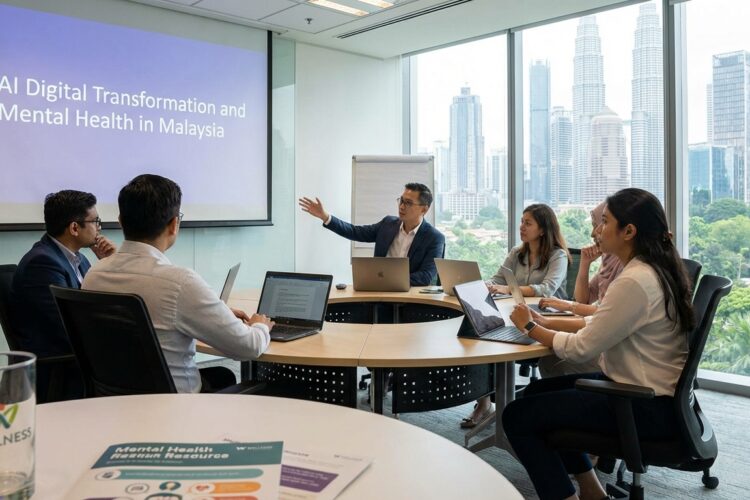
A new digital pulse is beating across the globe, and its rhythm is set by Artificial Intelligence. This isn’t a distant future we read about in science fiction; it’s happening right now, reshaping our work, our communication, and even our inner lives. For us in Malaysia, standing at the crossroads of tradition and innovation, this technological shift presents a unique set of opportunities and questions. As we integrate these powerful tools into our daily routines, a crucial conversation is emerging. It’s a dialogue not just about efficiency and progress, but about the human experience itself. We need to explore both the incredible infrastructure being built by tech giants and the more personal, psychological impact this has on us all. This is the AI revolution, and it’s time we understood its two sides.

The Unprecedented Scale of AI’s Growth
The sheer momentum behind AI is staggering. We are witnessing an industrial-level investment that is building the very foundation of our future digital world. Companies like Microsoft, Nvidia, and Amazon are not just dabbling in AI; they are pouring billions of ringgits into developing more sophisticated models, powerful hardware, and accessible platforms. This massive injection of capital is accelerating the AI-driven digital transformation at a pace we’ve never seen before. From predictive analytics in business to smarter logistics and personalised customer service, the applications are expanding daily. This is the infrastructural side of the revolution—the building of a new, intelligent layer over our existing digital landscape, promising to make everything faster, smarter, and more connected.
When Your Assistant Lives in Your Pocket
As this technology becomes more common, our relationship with it has become more personal. AI is no longer confined to corporate data centres; it’s in our pockets, on our desktops, and in our homes. We talk to chatbots for customer support, use AI assistants to organise our day, and even turn to them for conversation. This increasing interaction is a new social experiment on a global scale. While these tools offer undeniable convenience, they also blur the lines between human and machine interaction. The ease of access and the ever-present nature of AI companions raise an important question: how does this constant digital engagement affect our minds?
The Hidden Costs of Digital Companionship
While we embrace the benefits, we must also pay attention to the emerging research on the psychological effects of heavy AI use. Recent studies have begun to explore a potential link between an over-reliance on AI chatbots and feelings of loneliness or depressive symptoms. The concern isn’t that AI is inherently bad, but that excessive use might displace genuine human connection, a cornerstone of mental well-being. Understanding the AI mental health implications is not about creating fear; it’s about fostering awareness. When we treat AI as a substitute for human interaction rather than a tool to augment our lives, we risk creating a dependency that could have long-term consequences for our emotional health. It highlights the critical need for balanced digital habits.

Navigating the New Normal in Malaysia
For Malaysian professionals and tech enthusiasts, these developments are not just trends to observe but realities to navigate. The ongoing AI-driven digital transformation is creating immense opportunities for career growth and business innovation across industries, from finance to manufacturing. To stay competitive, we must learn to leverage AI’s potential. However, this must go hand-in-hand with a critical perspective. We need to cultivate a workforce that is not only proficient in using AI tools but also understands their limitations and ethical boundaries. Encouraging digital literacy and promoting open discussions about the AI mental health implications within workplaces and educational institutions will be essential for building a resilient, future-ready society.
Embracing the Future with Mindfulness
The AI revolution is a journey, not a destination. As this technology continues to weave itself into the fabric of our personal and professional lives, our approach to it must be both proactive and mindful. It’s about finding a sustainable balance—using AI to solve complex problems and boost productivity, while consciously nurturing our human connections and protecting our mental well-being. At our core, we believe the goal is to become masters of this new technology, using it to enrich our lives without letting it define them. By fostering a culture of critical thinking and conscious adoption, we can ensure that we all benefit from the incredible promise of AI.
In conclusion, the rise of Artificial Intelligence is a defining story of our time. We’ve seen how monumental investments are building a powerful new technological infrastructure, creating efficiencies and possibilities we could only dream of a decade ago. At the same time, we’ve explored the quieter, more personal side of this revolution, recognising the need to be mindful of its psychological impact and an over-reliance on digital interaction. For us here in Malaysia, the path forward is clear. It requires us to embrace AI with enthusiasm but also with wisdom. By championing both technological advancement and human well-being, we can navigate this new era successfully, ensuring that technology serves us, and not the other way around. It’s a balanced approach that will ultimately define our success in this new digital age.

0 Comments