

Thinking about artificial intelligence probably brings images of futuristic robots or complex software to mind. But what if we told you the AI revolution is already happening in places you would never expect? In Japan, AI is refining the taste of seasonings, improving the production of glass fibre, and even turning toilets into health monitors. It is no longer a far-off concept; it is a practical tool that is changing businesses from the ground up. This same wave of change is being felt across Asia, with biotech firms flocking to Hong Kong to connect with an investor base that uses AI to make smarter decisions. This global shift presents a massive opportunity, and for businesses here in Malaysia, the question is no longer if we should pay attention, but how we can get involved. This article will explore this technological movement and what it means for our nation’s industries.
The Quiet Infiltration of AI into Everyday Industries
The true power of AI lies not in headline-grabbing robots, but in its quiet ability to improve existing processes. Take the Japanese examples. Seasoning giant Ajinomoto uses AI to analyse huge amounts of data from its amino acid fermentation process, leading to better quality control and more stable production. Elsewhere, companies are using AI-powered cameras to inspect glass fibre for tiny defects that the human eye would miss, reducing waste and increasing efficiency. This isn’t about replacing humans, but about empowering them with tools that can see, analyse, and learn at a scale we simply cannot match. It demonstrates that any industry, no matter how traditional, can find a use for AI to solve long-standing problems and uncover new efficiencies.
AI as a Magnet for Global Investment
The influence of AI extends beyond the factory floor and into the world of high finance. Hong Kong is rapidly becoming a hub for biotechnology, partly because its financial sector is embracing AI. Global biotech firms are drawn to the city because investors there are using sophisticated AI platforms to analyse clinical trial data, predict market trends, and identify promising new ventures with greater accuracy. This shows that AI builds trust and drives investment. When investors can make data-driven decisions powered by AI, they are more willing to fund innovative and ambitious projects. This creates a powerful ecosystem where technology and capital work together, a model that holds valuable lessons for developing our own tech landscape in Malaysia.

Why This Matters for Malaysia
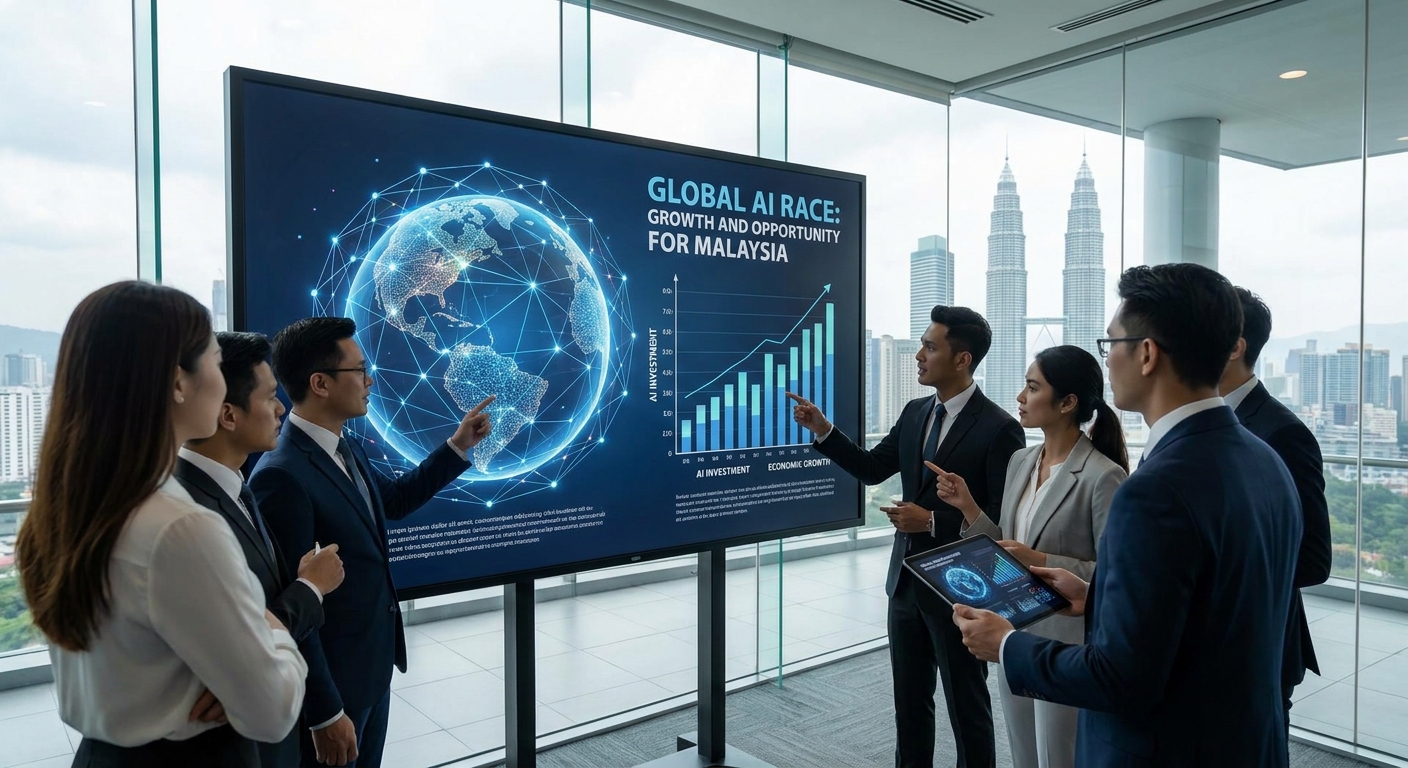
Watching these trends unfold globally is interesting, but acting on them is essential. For Malaysian businesses, from SMEs to large corporations, ignoring AI is like sailing without a compass. The competitive advantage will increasingly go to those who use AI to understand their customers better, streamline their operations, and innovate faster. For consumers, this shift promises more personalised services, higher quality products, and greater convenience. The journey begins with boosting the rate of AI adoption in Malaysia. We need to move beyond seeing AI as a niche for tech companies and recognise it as a fundamental tool for growth across all sectors, including manufacturing, agriculture, healthcare, and retail.
Practical Steps for Malaysian Businesses
Embracing AI doesn’t require a massive, overnight overhaul. The path towards an AI-driven industry transformation can start with small, strategic steps. Businesses can begin by using AI-powered tools for customer service, like chatbots that handle common queries 24/7. They can adopt AI-driven analytics to make sense of their sales data and understand customer behaviour more deeply. The key is to start with a clear problem and apply AI as the solution. Of course, challenges like the cost of implementation and the need for skilled talent exist. This is where collaboration becomes important—working with local tech partners, investing in upskilling employees, and fostering a company culture that is curious and open to change are crucial for success.
Conclusion: Our AI-Powered Future
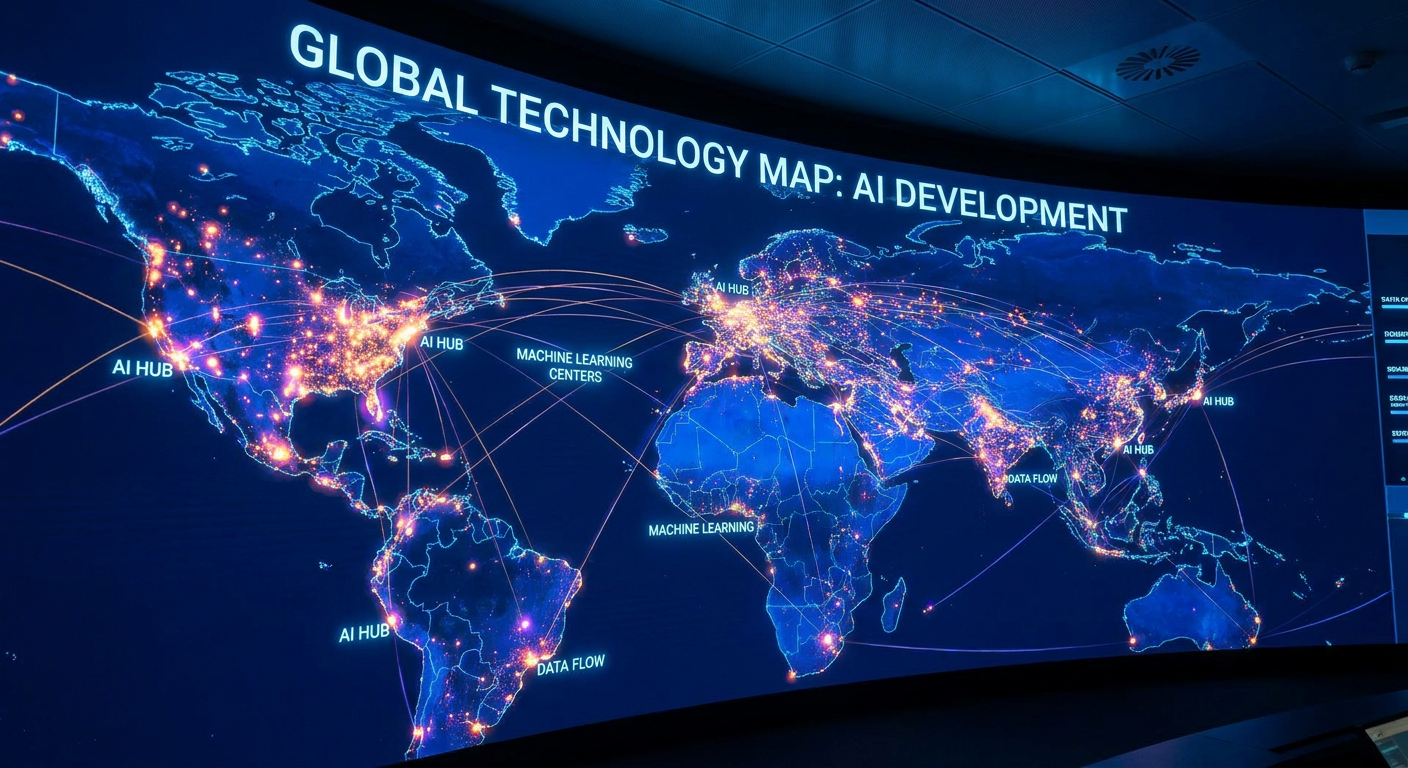
The message from around the world is clear: artificial intelligence is reshaping the global economic landscape. We have seen how it is optimising intricate processes in Japan’s most traditional industries and how it is powering investment decisions in Hong Kong’s financial markets. These are not isolated events but signs of a fundamental shift. For us in Malaysia, this is a call to action. The conversation must move from awareness to application. By encouraging a higher rate of AI adoption in Malaysia and providing businesses with the support to begin their journey, we can ensure our industries remain competitive and innovative. The future will be powered by data and intelligence, and by embracing the tools of tomorrow, we can secure our place in it.


0 Comments