
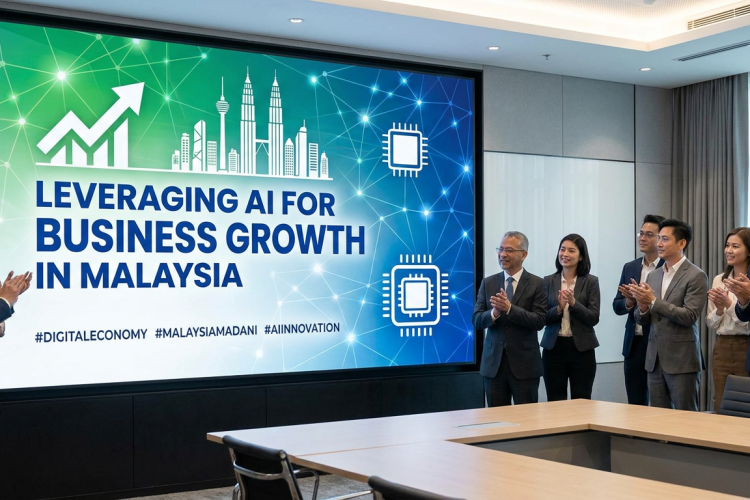
A digital tidal wave is building, powered by trillions of dollars and the brightest minds in technology. This isn’t science fiction; it’s the reality of the global AI boom, where giants like Google, Microsoft, and Nvidia are making historic investments to reshape our world. While the headlines focus on Silicon Valley, the ripples of this transformation are reaching Malaysian shores, presenting a once-in-a-generation opportunity for our businesses and workforce. This isn’t just another tech trend; it’s a fundamental shift in how we will operate, compete, and innovate. Understanding this shift is the first step, but acting on it is what will define the next chapter of success for Malaysian enterprises. In this article, we will explore this global phenomenon and what it means for us here in Malaysia.
The Global AI Investment Frenzy
You cannot ignore the sheer scale of investment currently pouring into artificial intelligence. We are witnessing a modern-day gold rush, but instead of picks and shovels, the tools are data centres, graphic processing units (GPUs), and brilliant software engineers. Tech titans are locked in a race to build the foundational infrastructure that will power the next decade of innovation. For instance, Alphabet, Google’s parent company, is reportedly raising tens of billions for its AI expansion. Nvidia’s Jensen Huang has highlighted that the opportunity extends far beyond just selling chips; it encompasses creating entire AI factories. This massive injection of capital is creating a supercharged ecosystem, accelerating everything from language models to drug discovery and autonomous systems. It is a clear signal that the world’s most influential companies see AI not just as a product, but as the very bedrock of future commerce.

Malaysia’s Emerging AI Landscape
This global momentum has a direct impact on Malaysia. The nation is strategically positioned to become a key player in the regional AI scene. We are already seeing significant investments in data centre infrastructure, particularly in areas like Johor, turning the country into a crucial hub for the digital economy. This infrastructure is the essential backbone needed to support widespread AI adoption in Malaysia. Beyond hardware, local companies are beginning to explore how AI can solve distinctly Malaysian challenges—from optimising agricultural yields and streamlining manufacturing processes to enhancing security in our financial services. The government’s own initiatives, such as the AI Roadmap and digital economy blueprints, show a clear intent to foster a supportive environment for this technological evolution.
Closing the Talent Gap is Our Priority
The biggest challenge, and greatest opportunity, lies in our people. Having access to powerful AI tools is one thing, but having the talent to wield them effectively is another. The demand for data scientists, machine learning specialists, and AI-savvy business leaders is growing exponentially, and a significant skills gap exists. To truly harness this tech wave, Malaysia must prioritise upskilling and reskilling its workforce. This involves more than just university courses; it requires a concerted effort from businesses to invest in continuous training, vocational programmes focused on practical AI applications, and fostering a culture of lifelong learning. Building this talent pipeline is the most critical factor that will determine the long-term success of AI adoption in Malaysia.

Putting AI to Work: A Practical Strategy
For many business owners, AI can seem abstract and overwhelming. The key is to start small and focus on solving a specific, tangible problem. Forget about building a Skynet-level AI from day one. Instead, ask: where are the biggest inefficiencies in my operations? Could an AI-powered tool help us analyse customer data better? Can we use predictive analytics to reduce machine downtime in our factory? This practical approach is the cornerstone of leveraging AI for business growth. For example, a retail business could use AI to optimise inventory and predict purchasing trends, while a logistics company could use it to plan a more efficient delivery route. The goal is to integrate AI as a tool that enhances human capability, drives efficiency, and unlocks new value.
Shaping a Thriving AI-Driven Economy
As we look to the future, the opportunity is not just about adopting technology but also about creating it. Malaysia can become a hub for developing AI solutions tailored for the Southeast Asian market. This opens up new investment prospects in local AI start-ups, software development firms, and specialised consultancy services. By fostering a vibrant local ecosystem, we can move from being consumers of AI to becoming innovators. Building this ecosystem requires collaboration between the government, private sector, and academia. The path forward involves creating supportive regulations, providing access to funding for promising AI ventures, and actively promoting the success stories that demonstrate the power of leveraging AI for business growth on our home ground.
In conclusion, the global AI infrastructure boom is the starting gun for a new economic era. For Malaysia, this is not a trend to be watched from the sidelines, but a wave to be ridden with confidence and strategic intent. The investments by global tech giants provide the foundation, but it is our local action that will build the house. By focusing on developing an AI-ready workforce, encouraging practical integration into businesses, and fostering a homegrown innovation ecosystem, we can secure our place in an increasingly intelligent digital world. The opportunity is immense, but the window is now. It is time for Malaysian businesses to step up, upskill their teams, and begin their AI journey today to ensure they are not left behind in this global transformation.


0 Comments