

Have you ever noticed your favourite navigation app rerouting you around a traffic jam before you even see the brake lights? Or wondered about the sheer processing power needed to generate an AI image from a simple text prompt? This is not science fiction; it is the quiet, powerful revolution of Artificial Intelligence happening all around us. This transformation is deeply rooted in two critical sectors: semiconductors and automotive technology. For us here in Malaysia, understanding these shifts is more than just an interest; it’s an incredible opportunity. We are poised on the edge of a new technological era, and it’s being driven by smarter chips and more intelligent cars. Let’s explore how these global changes are set to redefine our nation’s tech landscape.
The New Brains of Technology
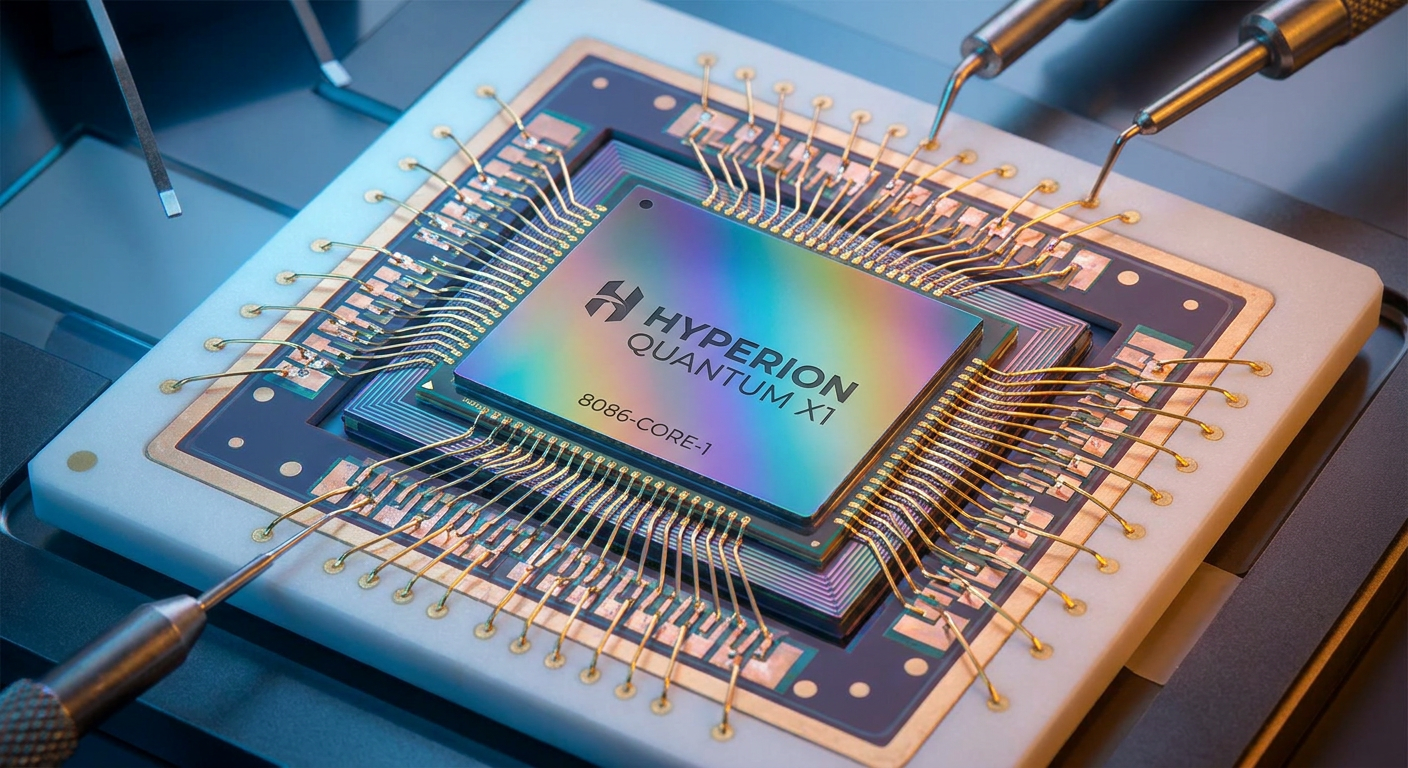
At the heart of the AI boom are advanced semiconductor chips, which act as the ‘brains’ for these complex systems. Traditional computer chips are good at performing one task after another very quickly, but AI requires a different approach—handling thousands of operations all at once. This has led to a surge in demand for high-performance memory, like the High Bandwidth Memory (HBM) chips pioneered by companies such as Samsung. Think of it like upgrading from a single-lane road to a massive, multi-lane superhighway for data. This allows AI models to ‘think’ and learn at incredible speeds, making everything from language translation to medical diagnostics faster and more accurate. These developments are not happening in a vacuum; they represent one of the most significant AI semiconductor trends today, pushing the boundaries of what is possible.
Smarter Journeys on Malaysian Roads
This new processing power is also finding its way into our cars, fundamentally changing how we drive. The conversation has moved beyond just self-driving vehicles to the more immediate and tangible benefits of AI in the car today. Sophisticated Advanced Driver-Assistance Systems (ADAS) now use AI to predict potential collisions, adjust your speed smoothly in traffic, and even monitor driver fatigue. Tech giants like LG, a major supplier to the automotive industry, are integrating entire operating systems like Google’s Android Automotive into their infotainment platforms. This is more than just connecting your phone; the car itself runs the system, allowing for deeper integration of navigation, voice assistants, and vehicle controls. These advancements are key examples of ongoing automotive AI innovations that are making our journeys safer and more connected.
Malaysia’s Moment to Shine
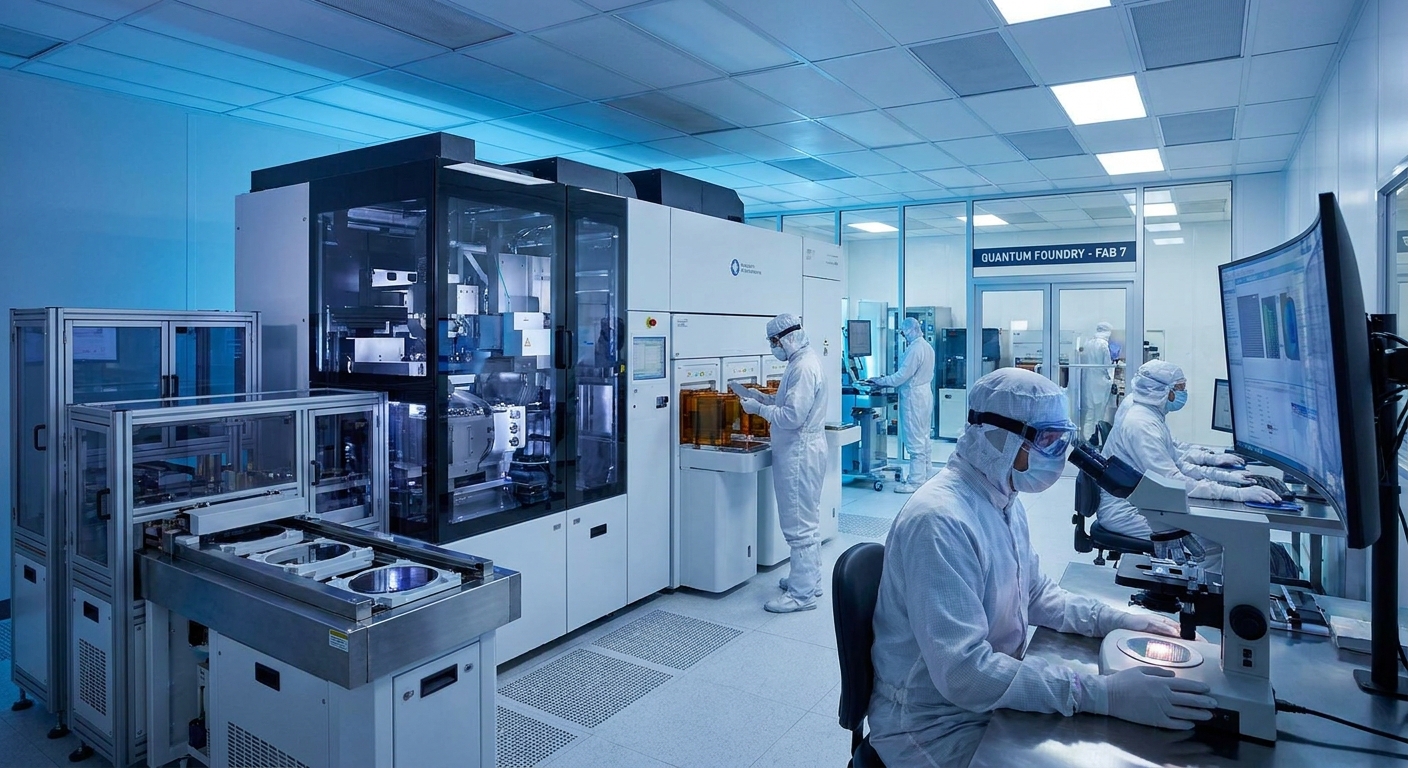
So, what does all this mean for Malaysia? For decades, our nation has been a global powerhouse in the semiconductor supply chain, particularly in assembly, testing, and packaging. This established expertise places us in a uniquely strong position. The advanced AI chips being developed globally still need to be assembled and tested with extreme precision. As international companies look to build more resilient and diverse supply chains, Malaysia stands out as a stable and skilled partner. This presents a golden opportunity to attract significant foreign investment, moving our local industry up the value chain from just assembly to more complex and higher-value activities. It’s our chance to become an indispensable hub in the next generation of technology manufacturing.
Driving Local Innovation Forward
Attracting investment is only one part of the equation. This global shift is also a catalyst for homegrown innovation. The growth in automotive technology opens doors for Malaysian startups and software developers to create localised applications and services for these new smart car platforms. Imagine apps tailored for Malaysian drivers or specialised diagnostic tools for high-tech vehicles. Similarly, as we become more involved in the fabrication of advanced chips, it inspires a new generation of local engineers to enter the field of chip design. By building an ecosystem that supports both manufacturing and design, we can foster a complete cycle of innovation. Embracing these AI semiconductor trends is not just about following the world; it is about empowering our own talent to lead.
Beyond the Hype: Practical Steps for Businesses
To truly capitalise on this moment, Malaysian businesses need to take practical steps. For companies already in the manufacturing sector, this means exploring investments in upskilling their workforce and upgrading facilities to handle the complexities of advanced chip packaging. For those in the IT and software industries, it is time to look seriously at the burgeoning market of automotive AI innovations, a field ripe for new applications and solutions. Education and training will be paramount across the board. We must encourage and support programmes in data science, AI engineering, and advanced electronics to ensure our talent pool is ready for the demands of this new industrial revolution. The opportunity is clear, but seizing it requires proactive planning and a commitment to evolution.
To conclude, the wave of AI-driven change is not something on the distant horizon; it is here now, reshaping core industries with incredible speed. The advancements in AI memory chips and intelligent automotive solutions are creating a ripple effect across the globe, and Malaysia is perfectly positioned to ride the crest of that wave. We have the foundational strength in manufacturing, a growing pool of tech talent, and the strategic position to attract global partners. This is more than just an economic opportunity; it is a chance to redefine our role in the global tech ecosystem. By fostering local innovation, investing in our people, and embracing this transformation, we can ensure that the future is not just something we witness, but something we actively build.

0 Comments