
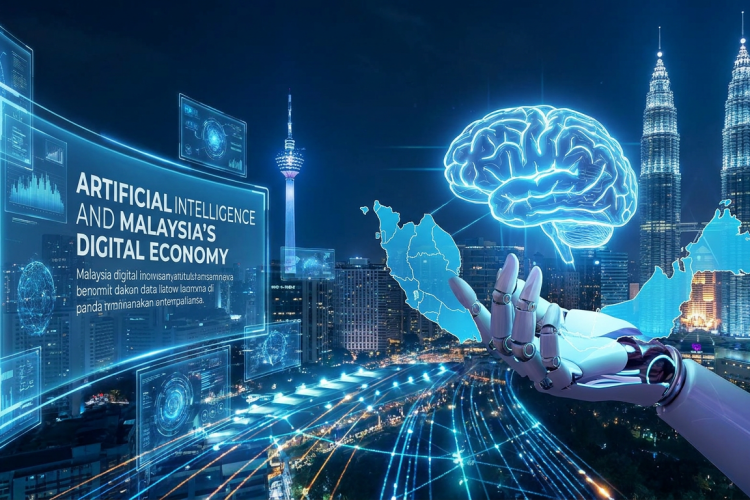
A new global shift is unfolding, not with a bang, but with the quiet hum of algorithms and intelligent systems. This is the AI revolution, and it’s already reshaping industries from the ground up. We see global giants pouring billions into AI development, transforming how products are made and services are delivered. For Malaysia, this isn’t a distant trend to observe; it is an immediate opportunity to seize. The question is no longer if AI will impact us, but how we will harness its power to secure our future. This transformation represents a crucial moment to redefine our economic landscape, enhance our workforce, and solidify our position as a digital leader. Embracing Artificial Intelligence and Malaysia’s digital economy is the key to unlocking the next decade of growth and innovation.
The Malaysian Advantage in the AI Race
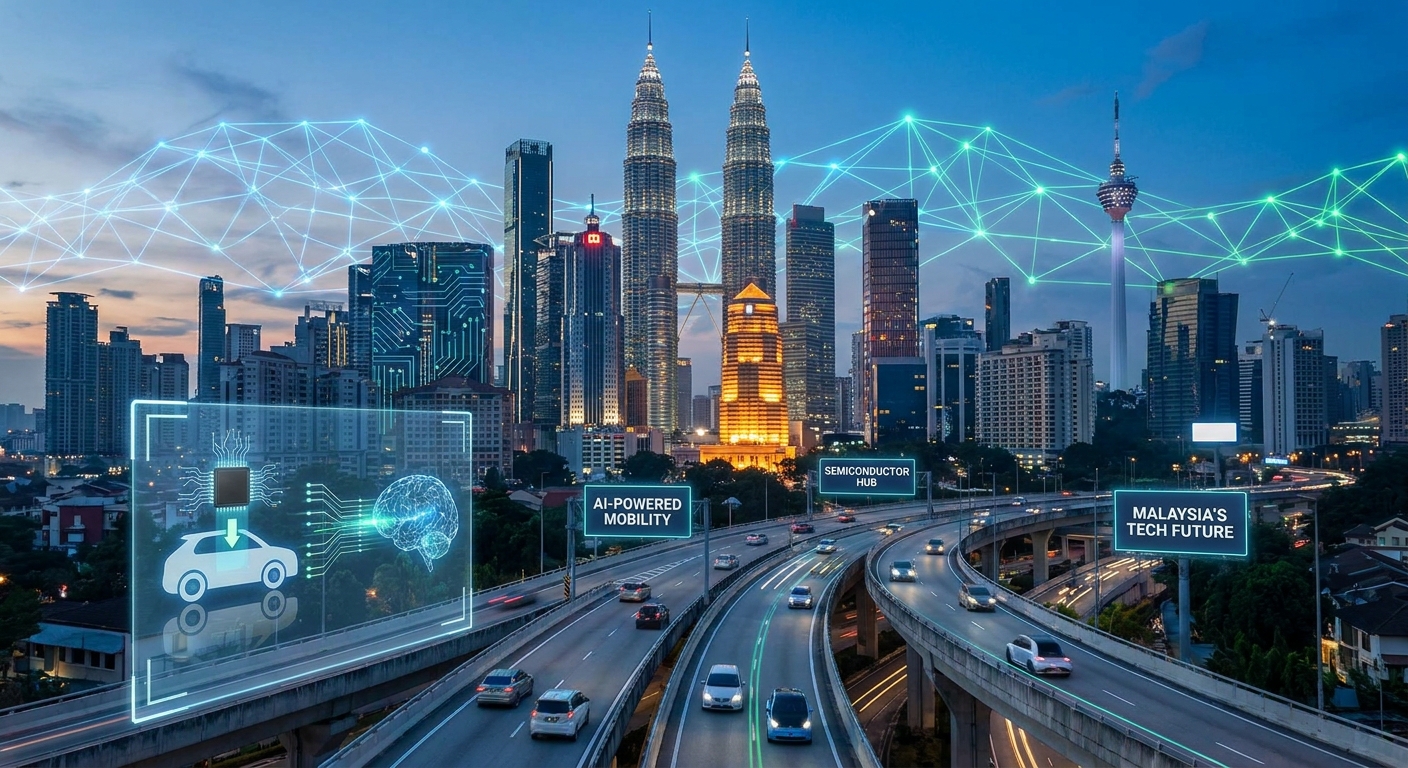
Malaysia is uniquely positioned to capitalise on this digital wave. We are not starting from scratch. Our nation has a strong foundation in the technology and manufacturing sectors, particularly in the semiconductor industry, which is central to the hardware that powers AI. Coupled with a digitally-savvy population and strategic government initiatives like the Malaysia Digital Economy Blueprint (MyDIGITAL), we have the core components for success. This isn’t just about competing; it’s about leveraging our existing strengths to create a specific niche. Our strategic location in the heart of Southeast Asia also gives us a prime advantage in becoming a hub for regional Technology Innovation and investment.

Integrating AI Across Key Industries
The true power of AI is realised when it is applied to solve real-world problems. In Malaysia, two key areas stand to benefit immensely: manufacturing and enterprise solutions.
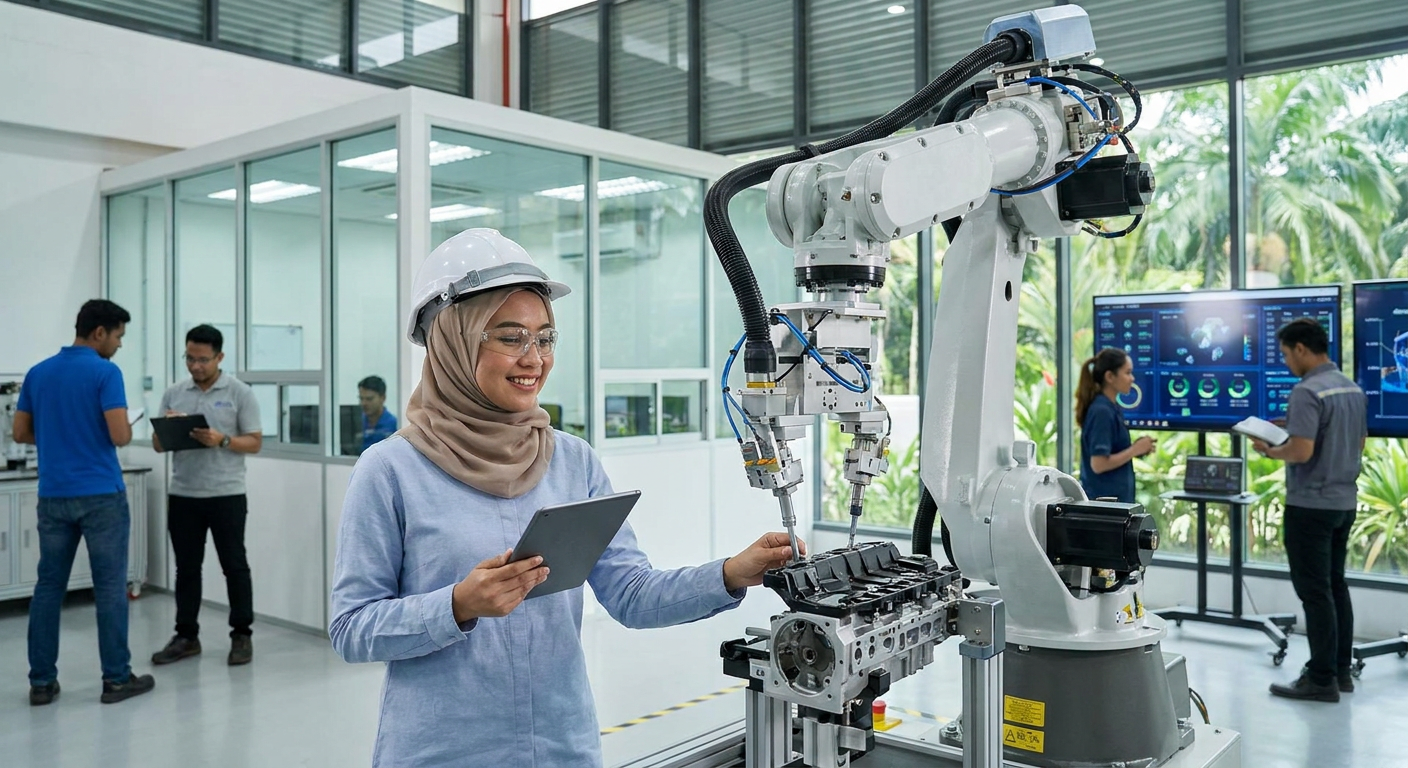
- Tech and Manufacturing: Our long-standing reputation in the electronics and electrical (E&E) sector provides fertile ground for AI integration. Imagine smart factories in Penang or Kulim where AI-powered systems predict machinery failures before they happen, or where quality control is automated with near-perfect accuracy. This level of efficiency not only cuts costs but also increases output and quality, boosting our Economic Competitiveness on a global scale. It moves us up the value chain from being just a part of the process to becoming an innovator within it.
- Enterprise Solutions: AI can be a great equaliser for businesses of all sizes. For our many small and medium-sized enterprises (SMEs), AI tools offer a chance to compete with larger corporations. This could mean using AI-driven analytics to understand customer behaviour, deploying intelligent chatbots to handle customer service 24/7, or optimising delivery routes to save on fuel costs. This form of Digital Transformation makes businesses more resilient, efficient, and customer-focused.
Upskilling Our Workforce for an AI-Powered Future
The conversation around AI often, and understandably, turns to jobs. However, the focus should not be on replacement, but on evolution. The AI revolution demands a new set of skills. Repetitive, manual tasks may become automated, but this frees up human talent to focus on more complex, creative, and strategic work. We must prioritise Workforce Upskilling. This means creating accessible training programmes in data analytics, machine learning, and AI ethics. Collaboration between universities, technical colleges, and the private sector is essential to build a talent pipeline that can develop, manage, and ethically deploy AI systems. An AI-ready workforce is our most valuable asset in this new economy.
Becoming a Leading Digital Hub in Southeast Asia
By proactively embracing AI, Malaysia has a golden opportunity to position itself as a forward-thinking digital hub. Our success will attract more than just praise; it will attract foreign investment, high-skilled talent, and high-value projects. When international companies look for a base for **AI adoption in Southeast Asia**, Malaysia should be their first choice. This reputation is built not just on technology, but on creating a supportive ecosystem with clear regulations, strong data protection laws, and a government that champions innovation. Leading in this space will create a positive cycle of growth, further strengthening our economy and creating new opportunities for Malaysians.
A Strategic Roadmap for Success
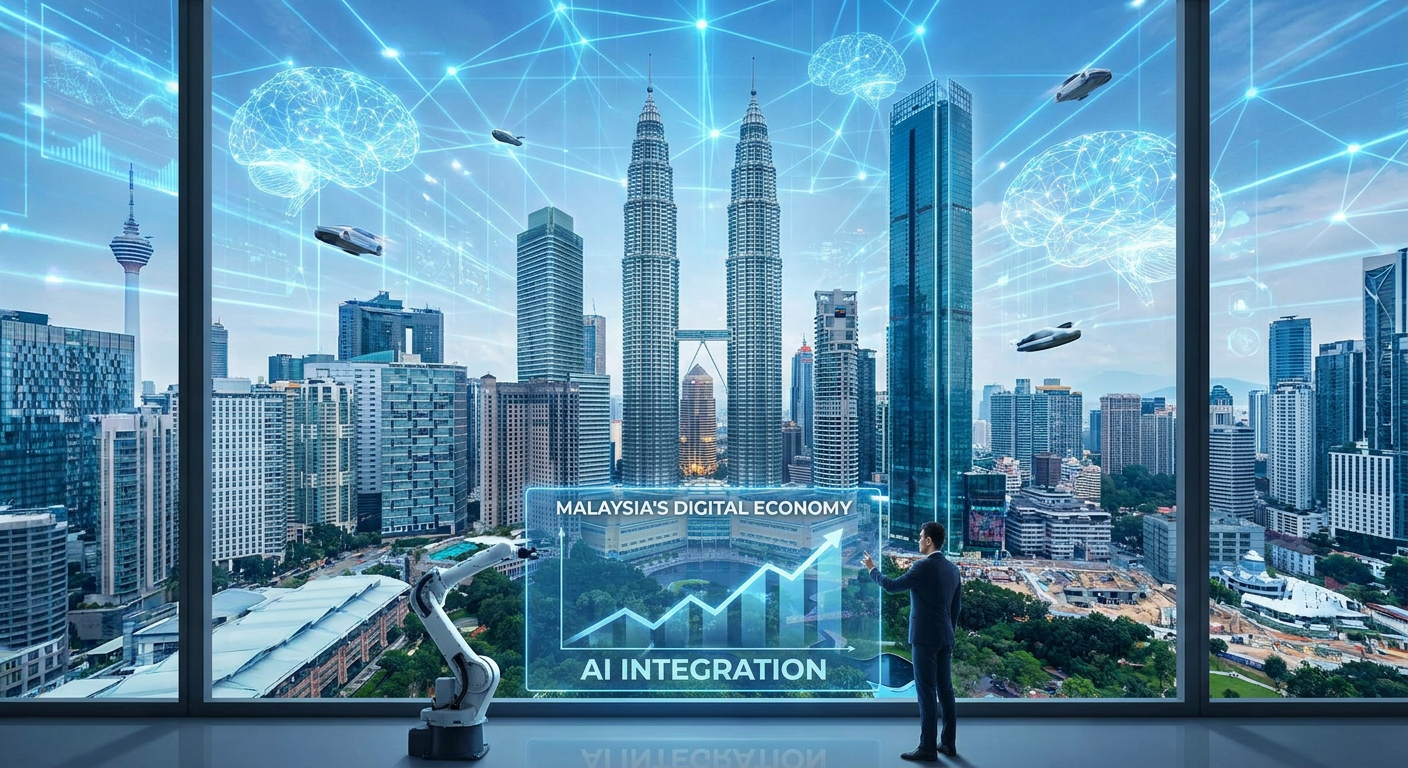
The path forward requires a clear and unified strategy. It’s not enough to simply encourage AI adoption; we must actively shape it. This involves creating policies that foster research and development, providing incentives for businesses to invest in AI Integration, and ensuring that our digital infrastructure can support the massive data loads required by AI systems. Our national strategy must be cohesive, bringing together government bodies, industry players, and the academic community with a shared vision. A thoughtful and well-executed plan for Artificial Intelligence and Malaysia’s digital economy will be the defining factor that separates us from being a mere participant to becoming a true leader in the region.
Ultimately, Malaysia stands at a crossroads. The global AI transformation is accelerating, and the window of opportunity to lead is now. By building on our industrial strengths, investing in our people through targeted upskilling, and fostering a collaborative innovation ecosystem, we can ride this digital wave to new heights of prosperity. The journey requires commitment, strategic planning, and a shared belief in our potential. Our role in the future of AI adoption in Southeast Asia is not predetermined; it is a future that we have the power to build, starting today. Let’s work together to ensure that Malaysia doesn’t just witness the AI revolution—it helps to lead it, securing a competitive and thriving digital economy for generations to come.

0 Comments