

Have you felt it? That subtle shift in how your smartphone anticipates your needs, or the almost magical way some online services seem to know exactly what you’re looking for? It’s not magic. After analysing the latest digital and tech movements, we’ve seen a clear pattern emerge, one that’s quietly rewriting the rules of technology. This isn’t some far-off futuristic idea; it’s happening right now, woven into the very fabric of our digital lives. The driving force behind this transformation is the deep and expanding integration of Artificial Intelligence. In this article, we’ll explore what this AI revolution means for the devices in our hands, the software we build, and most importantly, the opportunities it presents for businesses and professionals across Malaysia.

AI in the Palm of Your Hand
For many of us, AI has long been a concept associated with powerful computers in faraway data centres. That thinking is rapidly becoming outdated. Companies like Qualcomm, whose chips power a huge number of the smartphones used in Malaysia, are now building AI directly into the hardware. This is what’s known as on-device AI. Instead of your phone needing to send data to the cloud for every smart task, it can process information right there on the device itself. The result? Faster, more responsive applications, improved battery life because less data is transmitted, and better privacy since your personal information isn’t always leaving your phone. This is a fundamental change in how our everyday gadgets work, making them smarter and more efficient companions.
A New Partner for Coders and Creators
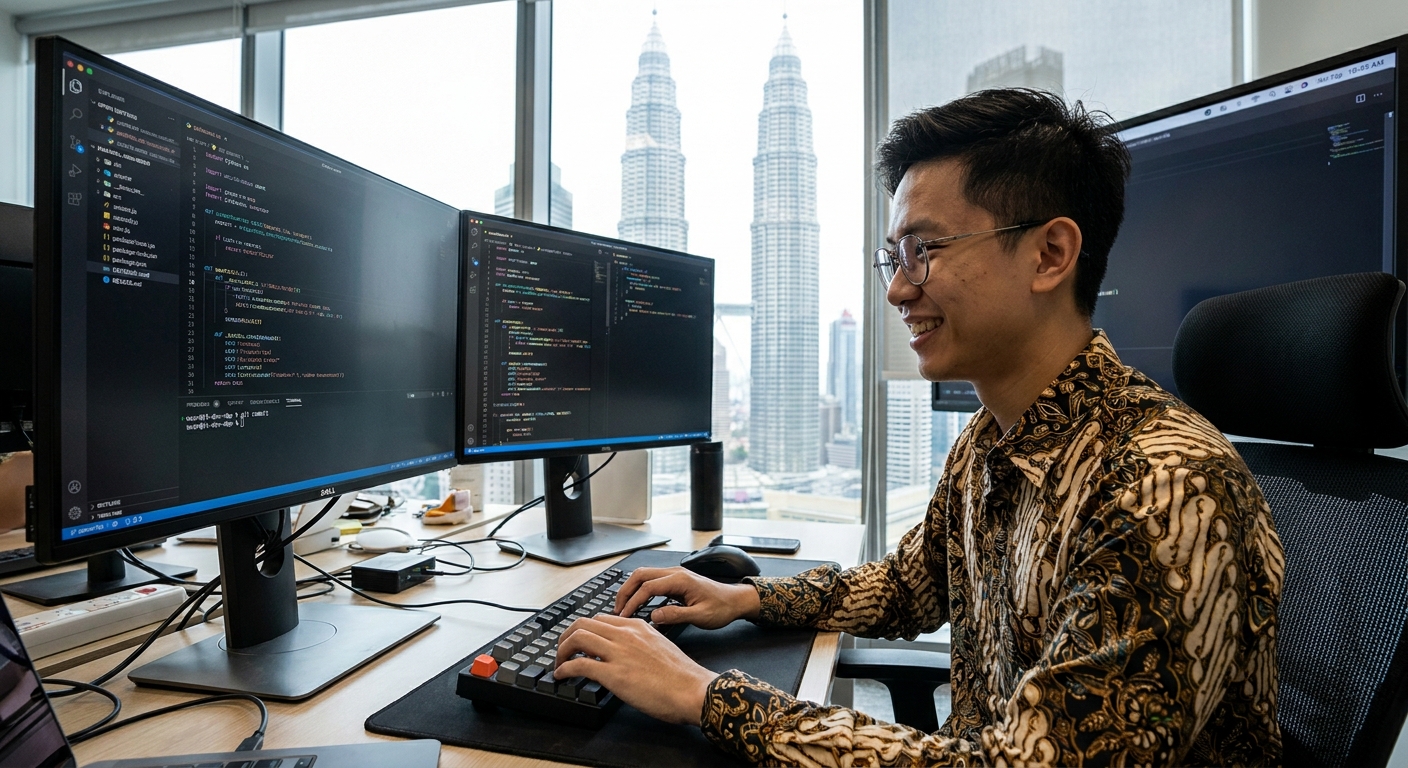
The AI wave isn’t just changing the devices we use; it’s also transforming how we create them. Take GitHub’s Copilot, for example. This is an AI tool designed to help software developers write code. It acts like an experienced partner, suggesting lines of code, completing functions, and even helping to identify potential bugs. For Malaysia’s growing community of software developers and tech startups, this is a game-changer. It doesn’t replace the developer’s skill but enhances it, allowing them to build, test, and launch applications faster than ever before. This boost in productivity can give local companies a serious competitive edge, enabling them to innovate and compete on a global scale.
The Ripple Effect Across Malaysian Industries
While the most obvious impacts are in tech, the true power of this trend is its ability to ripple across all industries. The ongoing AI integration in Malaysia is set to redefine how many businesses operate. In telecommunications, AI can help optimise network performance, ensuring better and more reliable connections for everyone. In the financial sector, it’s already being used to detect fraudulent transactions with incredible accuracy, protecting both banks and their customers. Even creative industries are seeing a shift, with companies like Meta using AI to help businesses deliver more relevant and effective advertising. This isn’t about just one sector; it’s about a foundational technological shift that every business leader in Malaysia needs to watch.
Turning Technology into a Competitive Advantage
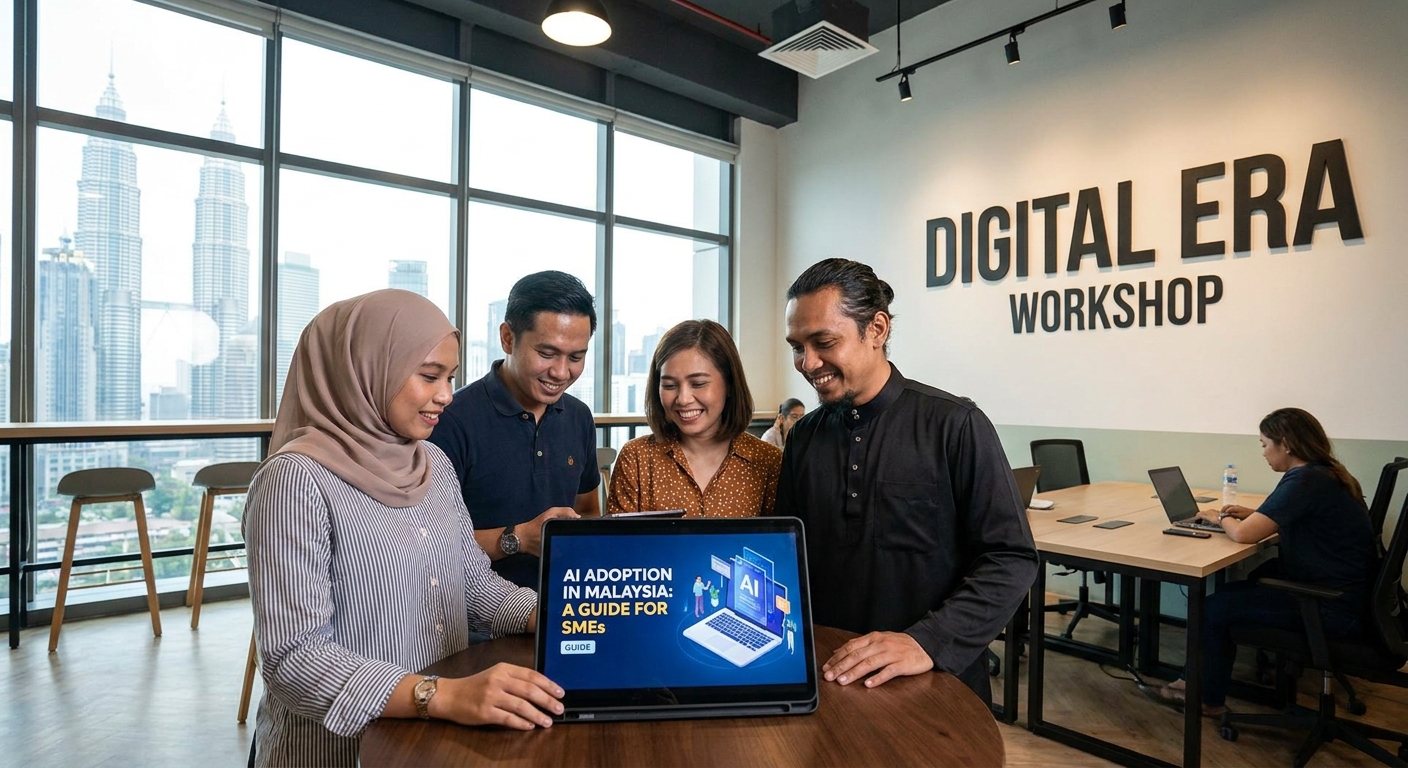
With any major technological shift, it’s natural to feel a bit of uncertainty. However, the key is to view this change not as a threat, but as a massive opportunity. For Malaysian professionals and entrepreneurs, understanding and adapting to these AI-powered technology trends could be the single most important strategic decision they make. It’s not about becoming an AI expert overnight. It’s about being curious and open to using new tools that can make your business smarter, faster, and more efficient. Small and medium enterprises, in particular, can leverage accessible AI tools to level the playing field, analyse market data, and personalise customer service in ways that were once only possible for large corporations.
In conclusion, the message from our analysis is clear: Artificial Intelligence is no longer on the horizon; it has arrived. We see it in the powerful on-device processing from innovators like Qualcomm and in the developer-assisting tools from platforms like GitHub. This integration is creating a ripple effect that touches nearly every industry in Malaysia, from telecommunications to software development and beyond. For businesses and professionals, this is a pivotal moment. The goal should not be to resist this change but to embrace it. By staying informed, remaining adaptable, and looking for ways to leverage AI, we can unlock new avenues for growth and innovation, securing a strong and competitive position in the global digital economy.


0 Comments