

A quiet revolution is underway. It doesn’t arrive with loud declarations but with the silent processing of a microchip and the intelligent learning of an algorithm. This new reality, powered by the partnership of artificial intelligence (AI) and semiconductor technology, is not just a distant headline from Silicon Valley. It’s happening now, and its waves are reaching our shores in Malaysia. Giants like Nvidia and Amazon are pushing the limits of what’s possible, creating a ripple effect across every sector. For us here, understanding the core **AI and semiconductor trends in Malaysia** is no longer optional; it is essential for future growth. This article explores how these powerful forces are changing our world and what it means for our nation’s businesses, tech professionals, and innovators.
A New Engine for Every Industry
Artificial intelligence is quickly moving from a specialist tool to a fundamental part of business operations. We are seeing its integration in ways that directly boost efficiency and create new possibilities. In cloud computing, for example, AI algorithms are helping companies analyse customer data at incredible speeds, allowing a small local enterprise to personalise its marketing just as effectively as a multinational corporation. This accessibility is a game-changer. The entertainment industry is another area feeling this shift. Imagine local animation studios using AI to shorten production times, freeing up artists to focus on creativity rather than repetitive tasks. The real story here is the tangible impact of AI and semiconductor technology on Malaysian businesses, as it allows them to compete on a more level playing field by innovating faster and operating smarter.
Malaysia’s Position in the Global Chip Race
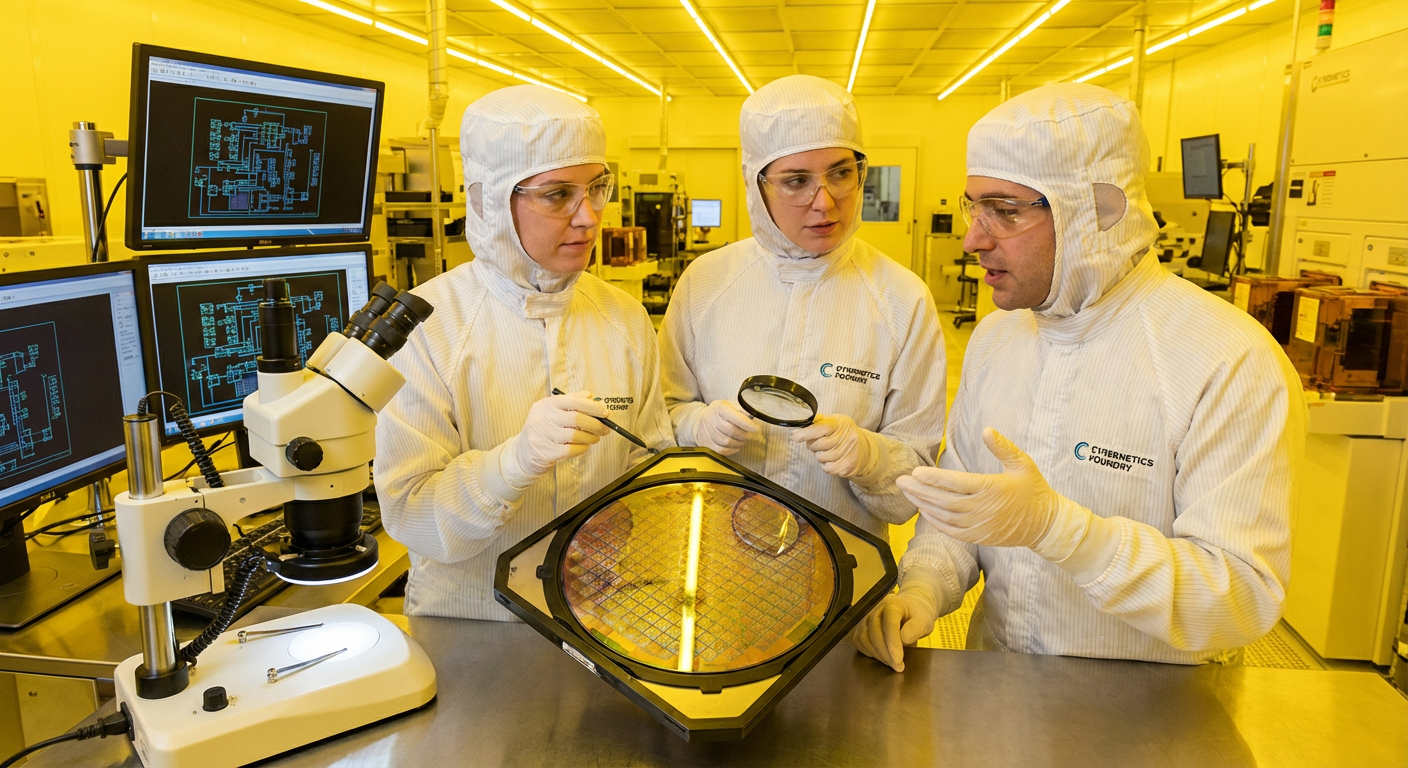
For AI to perform its magic, it needs powerful brains—and those brains are advanced semiconductor chips. This is where Malaysia has a unique advantage. For decades, our country has been a cornerstone of the global semiconductor supply chain, specialising in assembly, testing, and packaging. While global players are investing billions in designing their own custom AI chips, our established infrastructure and expertise give us a solid foundation. The challenge and opportunity now lie in moving up the value chain. Instead of just assembling chips designed elsewhere, we are starting to see a push towards design and development right here in Malaysia. With strong government support and strategic investments in tech hubs like Penang and Kulim, we are well-positioned to not just participate in this growth but to become a more significant player in it.

From User to Innovator: Our Next Move
Watching these developments is one thing; acting on them is another. The time has come for the Malaysian tech ecosystem to transition from being consumers of technology to becoming creators of it. The current AI and semiconductor trends in Malaysia present a clear opening for local startups and established companies to innovate. This could mean developing AI-powered solutions for local challenges in agriculture or healthcare, or creating specialised software that leverages the power of new chips. To make this happen, we must focus on building a strong talent pipeline. Upskilling our current workforce and nurturing the next generation of engineers and data scientists is crucial. By combining our existing strengths in manufacturing with a new focus on design and software, we can create a powerful, self-sustaining tech ecosystem.
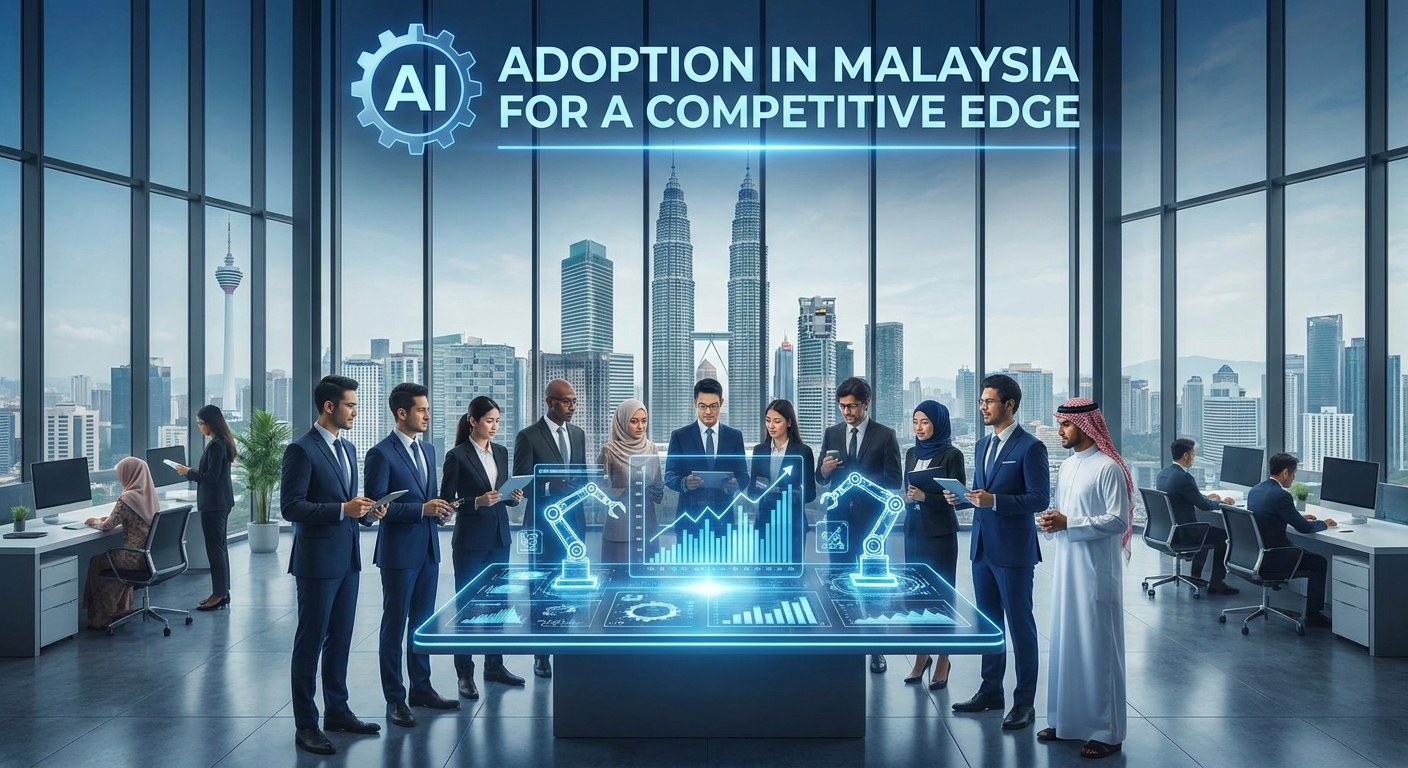
The path forward requires a unified effort. We believe that true progress will come from close collaboration between the government, private companies, and our universities. The government can help by creating policies that encourage research and development and make it easier for startups to get funding. The private sector, in turn, needs to invest in new technologies and, most importantly, in its people. Together, we can foster an environment where new ideas are encouraged and innovation thrives. Understanding the impact of AI and semiconductor technology on Malaysian businesses is the first step, but taking decisive action to build capacity and infrastructure is what will secure our place in the next wave of technological advancement and drive our economic growth for years to come.


0 Comments