
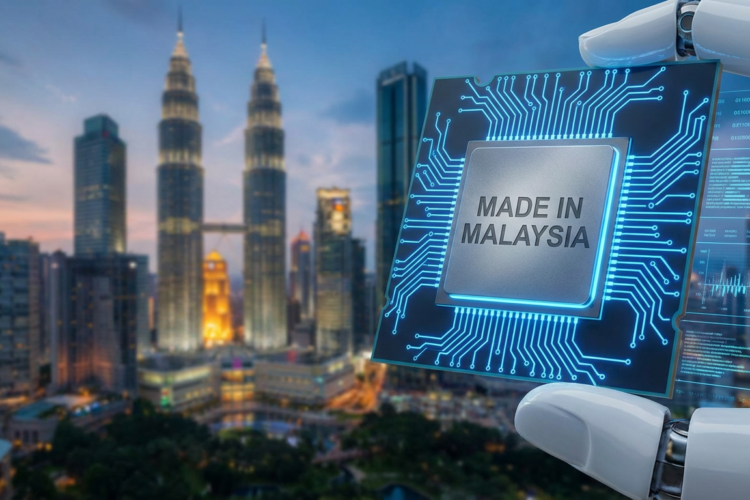
The digital world is being rebuilt, and this time, the architects are designing their own tools. Beneath the surface of the apps and services we use daily, the very foundations of computing are being redesigned. The world’s leading tech companies are no longer content with just using technology; they are now creating the core components that power it. This shift towards custom-designed Artificial Intelligence (AI) chips marks a pivotal moment in the tech industry. For a nation like Malaysia, with its deep roots in the semiconductor world, this is not just another global trend. It’s a call to action and an opportunity to evolve and secure our place in the next phase of the digital economy. We believe it is crucial to explore this custom chip wave and how we can position ourselves to ride it successfully.
The New Battleground: Custom AI Chips
For years, the technology industry relied on a handful of expert companies, like Nvidia and Intel, to design and supply the chips that powered everything from laptops to data centres. That model is now changing. Tech giants such as Meta, Google, and Amazon are investing billions to bring chip design in-house. Why? The simple answer is performance and efficiency. General-purpose chips are good at many things, but custom AI chips are brilliant at one thing: running the specific AI models that drive a company’s core business. Meta’s new Artemis chip, for example, is tailored to run its recommendation algorithms more efficiently, saving energy and improving user experience. This strategic move from being a chip consumer to a chip creator gives these companies a powerful competitive edge, fuelling a new wave of AI chip development.

Malaysia at a Semiconductor Crossroads
Malaysia has long been a powerhouse in the global semiconductor supply chain. For decades, areas like Penang have been celebrated for their expertise in the “back-end” processes of assembly, packaging, and testing. This has built a strong industrial base and a skilled workforce. However, the new AI chip revolution is happening at the “front-end” of the value chain: in the highly complex world of chip design and intellectual property (IP) creation. While our back-end proficiency remains important, it’s the design phase where most of the value and strategic advantage now lies. This presents a critical crossroads for us. We can either remain as expert assemblers of other people’s technology or we can seize the opportunity to move up the ladder and become creators ourselves.
Finding Our Niche in the AI Hardware Ecosystem
Competing head-on with Meta or Google in chip manufacturing is an unrealistic goal for most. However, the ecosystem growing around custom chips offers numerous opportunities for agile and innovative companies. The focus for Malaysian tech startups and AI should be on finding strategic niches. This could involve developing specialised software that optimises performance on these new custom chips. Another path is to create and license specific IP blocks—small, reusable units of logic or design—that can be integrated into larger chip designs. Think of it as supplying the specialised tools for the architects. By focusing on these high-value, knowledge-intensive areas, Malaysian companies can plug directly into the global AI hardware ecosystem without needing to build billion-dollar fabrication plants.

The Importance of Early and Smart Investment
Transitioning from an assembly-focused industry to a design-led one requires a concerted effort and smart investment. This isn’t just about money; it’s about building an entire ecosystem. This means strengthening collaboration between universities that are training the next generation of engineers and the private sector that will employ them. It also requires forward-thinking policies and incentives from the government to encourage local research and development in areas like fabless chip design. Venture capital has a significant role to play in funding promising startups that are bold enough to enter the AI chip development space. By investing early in our capabilities, we are not just building companies; we are building our nation’s competitive edge for the digital decades to come.
The era of custom AI chips is not on the horizon; it is already here. The move by tech giants to forge their own hardware is reshaping the power dynamics of the digital world. For Malaysia, this represents both a challenge to our traditional semiconductor strengths and a tremendous opportunity. We must look beyond assembly and testing towards the higher-value realms of design and intellectual property. The path forward involves cultivating talent, encouraging strategic investment, and empowering our local innovators. The future for Malaysian tech startups and AI is bright, but it requires a conscious effort to participate in this revolution. It is time for us to move from being assemblers of technology to becoming the architects of our own digital future, securing our relevance and prosperity in the age of AI.



0 Comments