
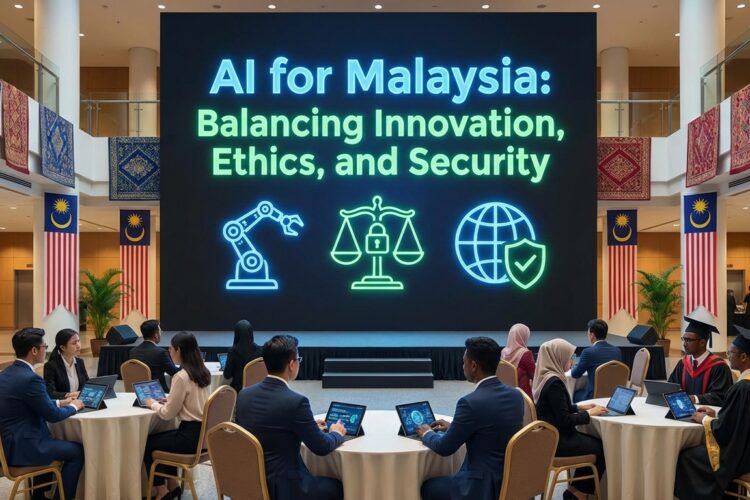
The Double-Edged Sword: Navigating AI’s Promise and Peril in Malaysia
Imagine discovering a powerful new tool, one that promises to reshape industries and redefine what is possible. This is the reality we face with modern artificial intelligence. The air is thick with excitement, filled with names like OpenAI and Anthropic, whose groundbreaking models are changing how we work, create, and communicate. For us in Malaysia, this new wave of technology presents a tremendous opportunity for growth and innovation. However, like any powerful tool, it comes with its own set of challenges and responsibilities. This new digital frontier requires careful navigation. In this article, we will explore the incredible potential of AI while also examining the critical security and ethical questions we must address to harness its power responsibly.
AI Innovators Shaping the Future
The pace of AI development is truly astonishing. At the forefront are organisations like OpenAI, the creators of the widely known ChatGPT, and Anthropic, which developed the impressive Claude model. These are not just simple programmes; they are complex systems capable of engaging in natural conversations, writing sophisticated text, and even generating code. While ChatGPT captured the world’s imagination, models like Claude are gaining attention for their focus on safety and constitutional AI, attempting to build ethical principles directly into their design. This friendly rivalry is pushing the boundaries of technology, offering businesses everything from smarter customer service bots to powerful data analysis tools. The buzz is justified, as these innovations signal a major shift in our technological capabilities.
Unpacking the Security Challenges of AI
As we embrace these new AI tools, we must also confront the shadow they cast. The very complexity that makes them so powerful also opens the door to new security threats. We are no longer just talking about traditional hacking; we are facing a new category of AI cybersecurity risks. For instance, malicious actors can use ‘prompt injection’ attacks to trick an AI into ignoring its safety rules and revealing sensitive information or performing harmful actions. Another concern is ‘data poisoning’, where the data used to train an AI is contaminated, causing the model to produce biased or incorrect results. These are not future problems; they are present-day challenges that every organisation adopting AI must prepare for.

The Quest for Responsible AI in a Malaysian Context
Beyond the technical security threats lies a deeper, more human challenge: ensuring AI is used ethically. An AI model is only as good as the data it is trained on. If that data contains historical biases related to race, gender, or culture, the AI will learn and perpetuate those biases. In a diverse, multicultural nation like Malaysia, this is a serious concern. This is why the conversation around AI ethical deployment Malaysia is so important. It’s about more than just complying with data protection laws; it’s about actively building fairness and inclusivity into our technological foundations. We need to ensure that the AI systems we use understand and respect our local context, languages, and cultural norms, rather than imposing a one-size-fits-all global model.
Driving Malaysia’s Digital Transformation Strategically
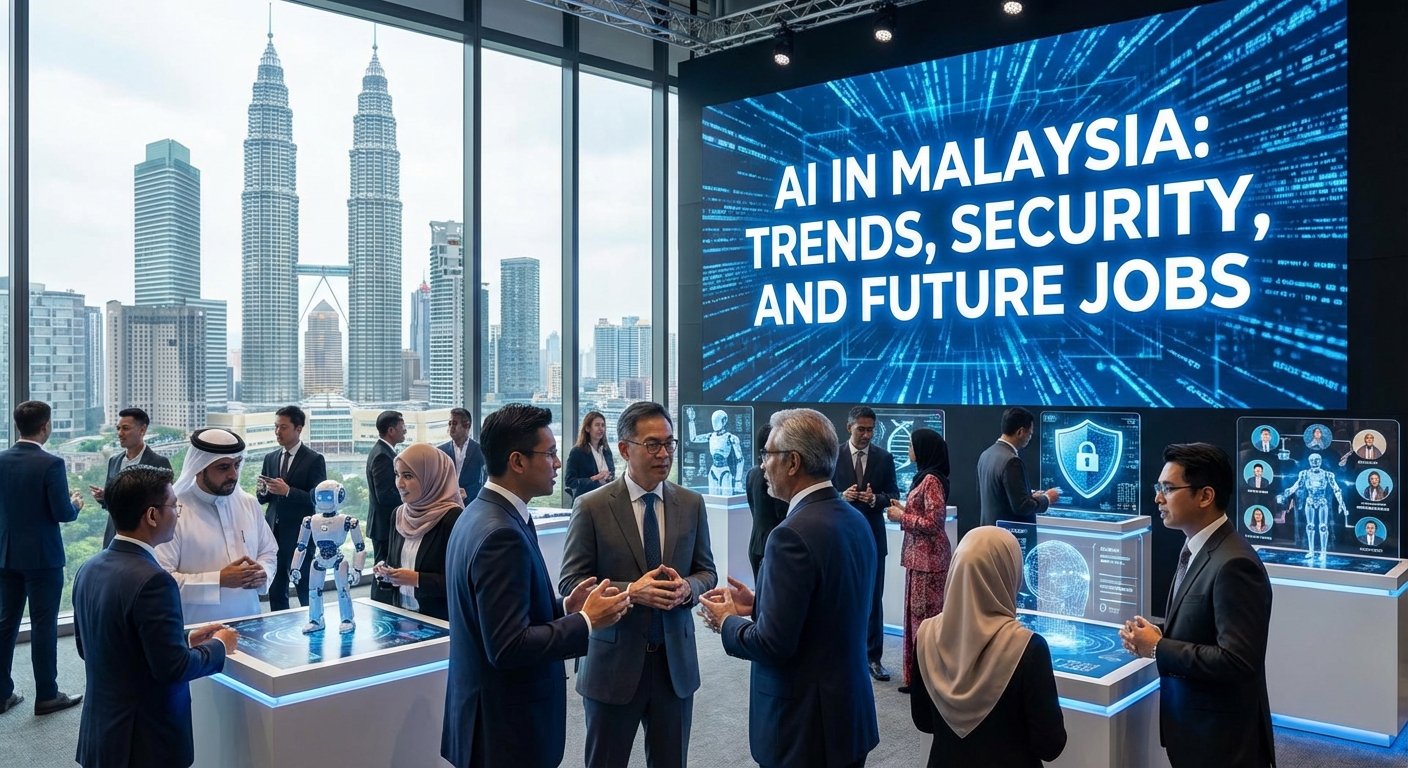
For Malaysia’s vibrant tech sector, AI represents a golden opportunity for digital transformation. Small and medium-sized enterprises can leverage AI to compete with larger players, automating routine tasks and gaining valuable insights from customer data. However, this journey must be undertaken with a clear strategy. A key part of that strategy involves proactively managing AI cybersecurity risks by investing in new security protocols and training employees to spot AI-driven threats like sophisticated phishing emails. Equally important is making a public and operational commitment to AI ethical deployment Malaysia. Doing so not only mitigates risk but also builds crucial trust with customers, who are becoming increasingly aware of data privacy and algorithmic fairness. This balanced approach will separate the leaders from the laggards in the coming years.
In conclusion, the rise of advanced AI presents a classic double-edged sword for Malaysia. On one side, we have the incredible promise of innovation, efficiency, and economic growth, led by pioneers like Anthropic and OpenAI. This is the future we are all excited to build. On the other side, we have the serious responsibilities of managing new cybersecurity threats and ensuring ethical implementation. The path forward is not to shy away from this technology but to embrace it with our eyes wide open. For businesses and tech enthusiasts across the nation, the goal should be to find the right balance – to innovate boldly while proceeding with caution. By staying informed and engaging in these crucial conversations, we can collectively steer our digital future towards a prosperous and responsible destination.

0 Comments