
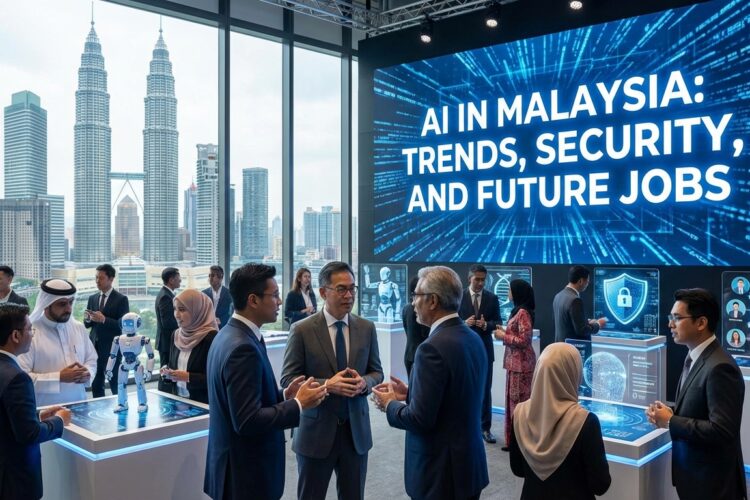
It feels like just yesterday that Artificial Intelligence was a concept reserved for science fiction films. Today, it’s the headline of every tech publication, the subject of government discussions, and a tool being explored by everyone from students to CEOs. The rapid acceleration of AI, driven by global innovators like OpenAI and Anthropic, is creating waves that are being felt right here on our shores. For our nation’s tech enthusiasts and business leaders, this isn’t just another passing trend. It’s a fundamental shift that promises to reshape our digital landscape. In this article, we’ll explore the real-world AI trends in Malaysia, what they mean for our industries, the security challenges we must face, and how we can all adapt to thrive in this new era.
The New Wave of Intelligence
The global AI scene is buzzing with activity. We’re seeing companies like OpenAI, with its well-known ChatGPT, and rivals like Anthropic and Elon Musk’s xAI push the boundaries of what’s possible. They are locked in a race to create more powerful, more capable, and more integrated AI models. This competition is great news for the world, as it speeds up innovation and makes sophisticated technology more accessible. The result is a flood of AI-powered tools that can write code, create stunning images, analyse complex data, and even help diagnose diseases. This isn’t happening in a vacuum; it’s setting a new global standard, pushing countries like Malaysia to either adapt quickly or risk being left behind in a fast-changing digital economy.
How AI is Reshaping Malaysian Industries
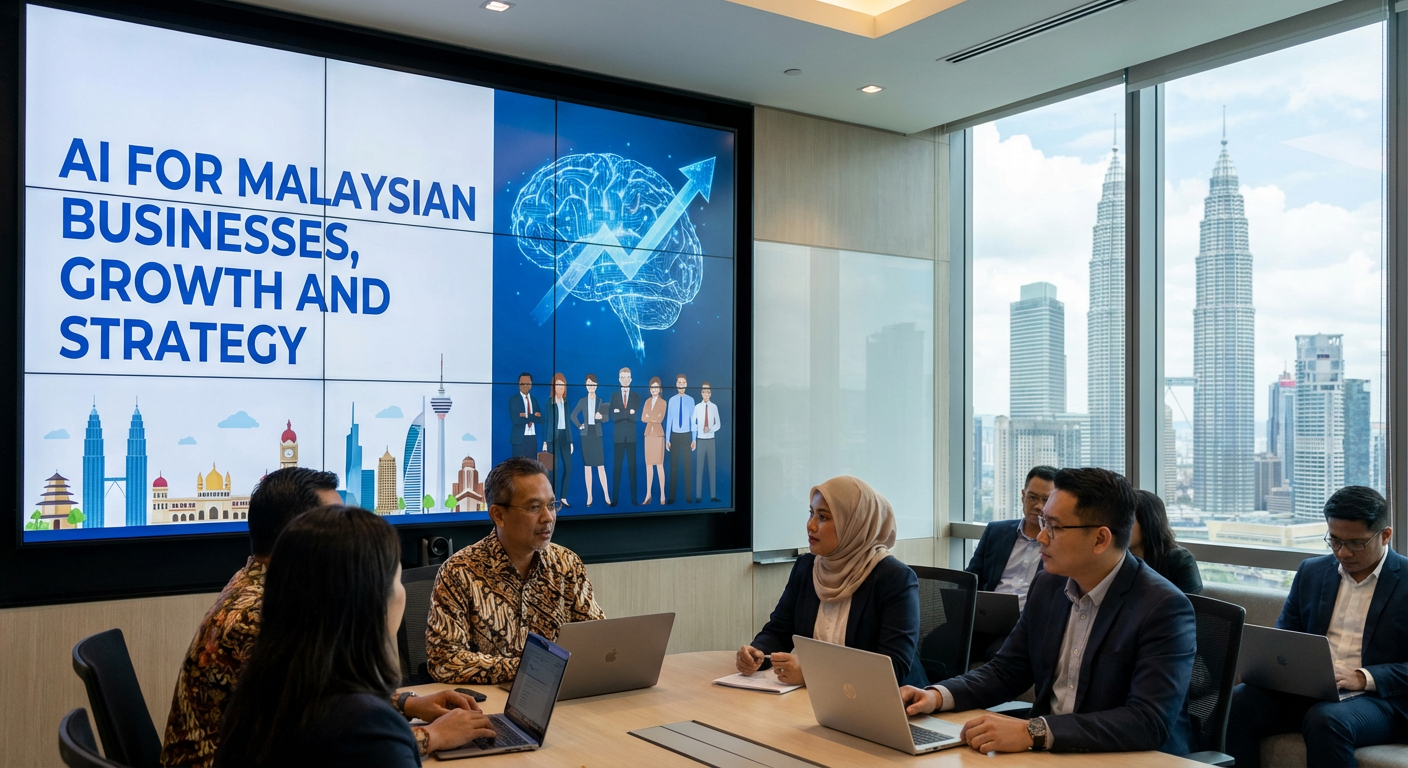
The conversation is now shifting from what AI is to what AI can do for us. The impact of AI on Malaysian businesses is becoming clearer every day. We are seeing its application move beyond the tech sector into core industries. In manufacturing, AI is being used for predictive maintenance, helping factories in places like Penang to prevent machinery breakdowns before they happen. In agriculture, farmers in Cameron Highlands could use AI-driven drones to monitor crop health and optimise water usage. The financial services sector in Kuala Lumpur is also exploring AI for fraud detection and personalised customer service. The Malaysian government has recognised this potential with its own National AI Roadmap, aiming to establish a supportive ecosystem and position the nation as a leader in this space within the region.
The Double-Edged Sword of AI and Cybersecurity
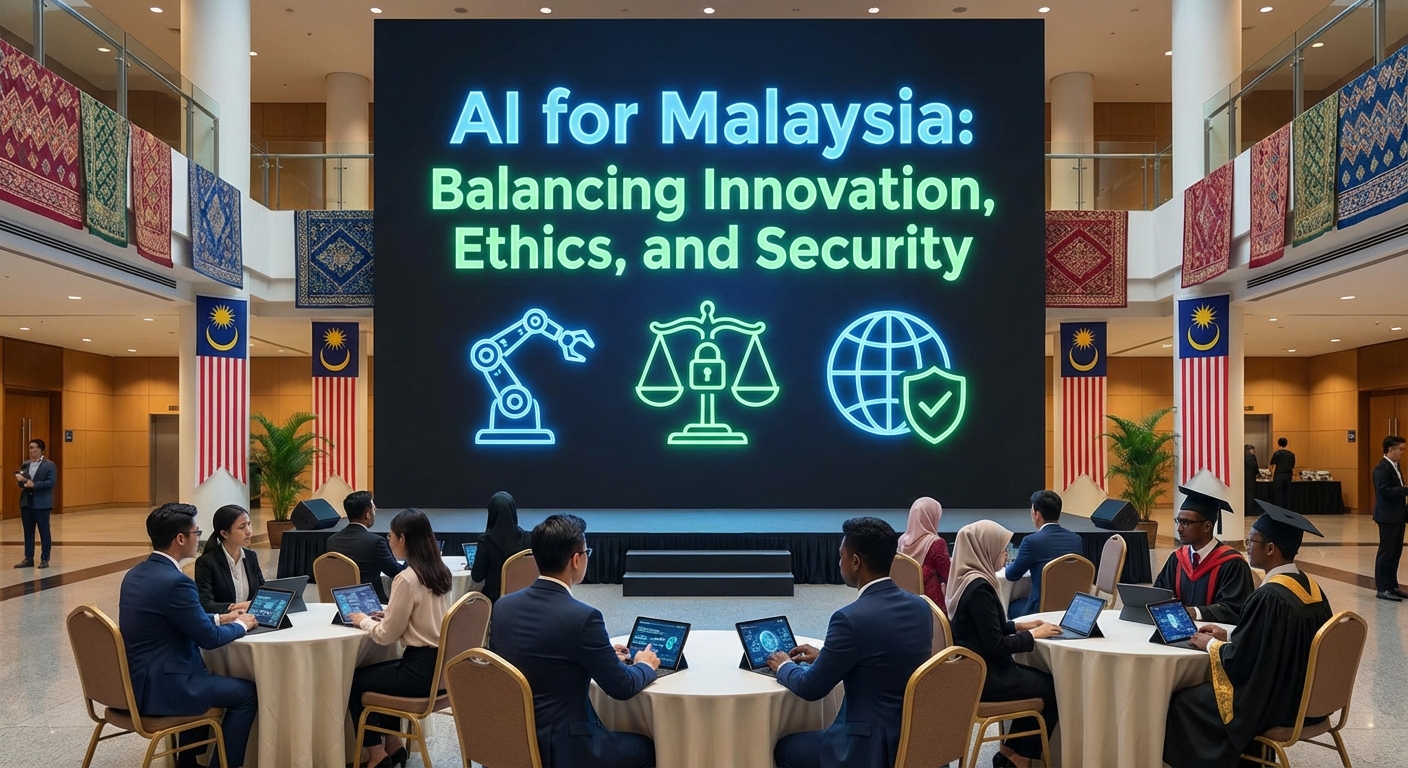
With great power comes great responsibility, and with AI, great risk. As we integrate more AI systems into our businesses and daily lives, we open new doors for cyber threats. Hackers are already using AI to create more convincing phishing emails and develop new types of malware that can learn and adapt to security measures. The rise of deepfake technology, which can create realistic but fake videos and audio, poses a serious threat to both individuals and corporations, potentially leading to fraud or reputational damage. For Malaysian organisations, this means cybersecurity can no longer be a reactive measure. We must be proactive, investing in advanced security protocols and, just as importantly, educating our teams to recognise these sophisticated new threats.

The Shifting Job Market in Malaysia
The question on many people’s minds is: “Will AI take my job?” While some routine, repetitive tasks will likely be automated, AI is also creating a demand for new roles and skills. The evolving AI trends in Malaysia show a growing need for data scientists, AI ethics officers, machine learning engineers, and AI implementation specialists. These are jobs that barely existed a decade ago. The focus is shifting from manual labour to strategic thinking, creativity, and the ability to work alongside AI tools. For the Malaysian workforce, this signals a crucial need for upskilling and reskilling. Simply having a degree is no longer enough; we must become lifelong learners to stay relevant and competitive in an AI-driven economy.
Staying Ahead of the Curve Through Continuous Learning
Thriving in the AI revolution isn’t about becoming an AI expert overnight. It’s about adopting a mindset of curiosity and continuous learning. The key is to stay informed and be willing to adapt. We encourage you to follow developments from government bodies like the Malaysia Digital Economy Corporation (MDEC), which often provides resources and training programmes. Engage with local tech communities and attend workshops or webinars. There are countless online courses on platforms like Coursera and edX that can provide foundational knowledge in AI and machine learning. By taking small, consistent steps to understand this technology, you empower yourself to see opportunities where others might only see challenges, ensuring you remain a valuable asset in the future of work.
To wrap things up, the AI revolution is not a distant storm; it is here, and its effects are already rippling through our nation. The developments from global tech giants are setting the pace for a worldwide transformation. We’ve seen how the impact of AI on Malaysian businesses is creating tangible opportunities for growth and innovation across multiple sectors, though it also brings new cybersecurity hurdles that we must be prepared to overcome. The job market is changing, placing a new premium on adaptability and specialised skills. For us in Malaysia, this is a call to action. Embracing continuous learning and staying curious are no longer just good habits—they are essential strategies for success. By doing so, we can collectively navigate the challenges and harness the immense potential of AI to build a more prosperous future.

0 Comments