
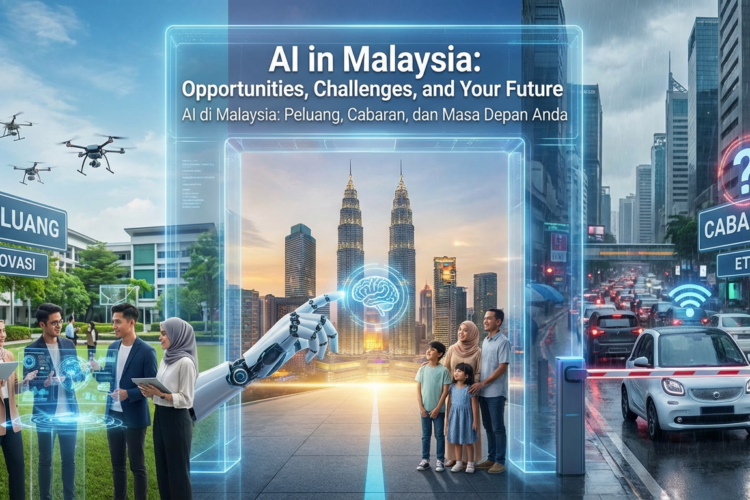
Have you ever typed a message and had your phone suggest the perfect, witty reply before you even finished your thought? Or scrolled through your feed and felt like it was curated just for you? This isn’t magic; it’s the quiet, steady hum of artificial intelligence working behind the scenes. AI is no longer a concept from science fiction films; it has woven itself into the fabric of our digital lives, fundamentally changing how we connect, shop, and consume information here in Malaysia. In this article, we will explore this transformation, looking at how AI is creating new opportunities for Malaysian users and businesses, while also considering the important questions this technology raises about our privacy and future interactions.

The Rise of AI in Our Everyday Technology
The digital platforms we use daily are becoming smarter, faster, and more intuitive. This evolution is largely powered by artificial intelligence. Tech giants like Meta and Google are embedding AI into their core services, making our experiences seamless. Think about Instagram’s Explore page or the recommendations on YouTube; these are driven by complex algorithms that learn from your behaviour to serve you content you are likely to enjoy. In Malaysia, this is evident in how we interact with apps for ride-hailing, food delivery, and e-commerce. The routes suggested by Waze and the product recommendations on Lazada are prime examples of AI making our lives more efficient and personalised. This integration is a key part of the wider Artificial Intelligence trends in Southeast Asia, where companies are competing to offer the most intuitive user experience.
New Opportunities for Malaysian Users
For the average user in Malaysia, the benefits of this AI integration are tangible. Messaging apps are a great example. AI is enabling features like real-time translation and smarter automated replies, making communication smoother, especially for small businesses engaging with customers on platforms like WhatsApp. Beyond messaging, we are seeing more sophisticated content filtering. While this helps create personalised entertainment feeds, it also plays a crucial role in identifying and reducing the spread of harmful content, making the digital space safer. Perhaps the most significant opportunity is the rise of truly adaptive platforms. These are systems that don’t just offer static features but learn and evolve with us, anticipating our needs and simplifying complex tasks, which is a clear sign of progress for AI in Malaysia.

Navigating the Challenges and Considerations
While the conveniences are exciting, this rapid technological shift brings important considerations to the forefront. At the top of the list are privacy concerns. Every personalised recommendation is fuelled by data—our data. This raises questions about how our information is being collected, used, and protected. As users, it is important to be aware of the data we share. Furthermore, the increasing reliance on AI for communication and customer service brings the impact on human interaction into focus. As we get more accustomed to talking with chatbots and automated systems, there’s a risk of eroding the value of genuine human connection. We must find a balance where technology assists us without replacing the essential human touch.
Staying Informed and Preparing for the Future
The AI revolution is not slowing down. For Malaysian tech enthusiasts and businesses, staying passive is not an option. To thrive, we must stay informed and be prepared to adapt. For individuals, this could mean developing digital literacy skills to understand how AI works and how to manage our digital footprint responsibly. For businesses, especially small and medium-sized enterprises (SMEs), embracing AI is no longer a luxury but a necessity for growth. Leveraging AI-powered tools for marketing, customer analytics, and operational efficiency can provide a significant competitive edge. The successful adoption of AI in Malaysia will depend on our ability to use these technologies smartly and ethically, transforming challenges into opportunities for innovation and progress.

Conclusion: Shaping Our AI-Powered Future
Artificial intelligence is undeniably reshaping our digital world. From the way our social media feeds are tailored to us to the intelligent assistants on our phones, its presence is growing stronger every day. Here in Malaysia, this brings a wave of exciting opportunities, offering us smarter, more efficient, and highly personalised digital experiences. However, this progress is accompanied by valid concerns about data privacy and the changing nature of human interaction that we must address thoughtfully. As we move forward, the goal isn’t to resist this change but to guide it. For businesses and individuals alike, staying informed, asking the right questions, and embracing a mindset of continuous learning will be key. By doing so, we can ensure that the evolving Artificial Intelligence trends in Southeast Asia work for us, helping to build a more connected and innovative future for all Malaysians.


0 Comments