
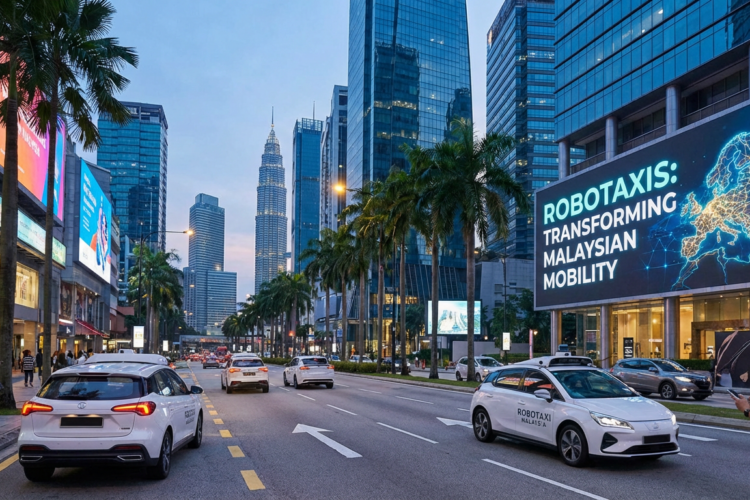
Rethinking the Ride: How Robotaxis Could Transform Malaysian Mobility
Picture this: you are navigating the familiar peak-hour crawl on a rainy evening in Kuala Lumpur. Now, imagine a different reality. One where your ride arrives on demand, navigates the traffic with flawless efficiency, and you can simply sit back, relax, or catch up on work. This isn’t a scene from a futuristic film; it’s the near future powered by autonomous vehicles. The global race to perfect self-driving cars is on, led by massive collaborations between innovators like Nissan and Wayve. The most exciting part of this revolution is the emergence of Robotaxis – on-demand, self-driving vehicles set to completely change how we move around our cities. It’s a technology that promises to reshape Malaysian Mobility, and understanding its potential is more important than ever.
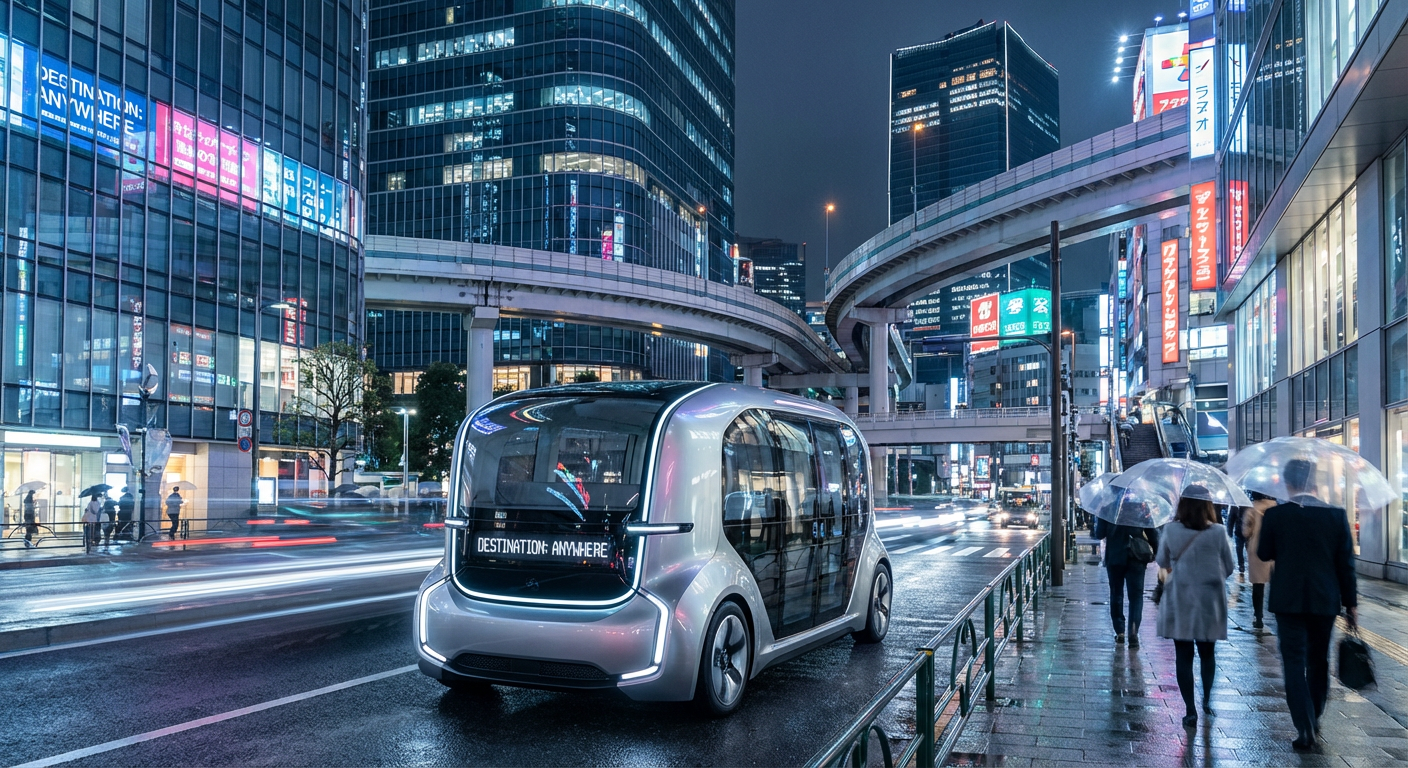
The Wheels Are Already Turning Globally
The concept of a taxi with no driver has officially left the realm of science fiction and hit the streets. In cities like San Francisco and Phoenix, companies like Waymo (from Google) and Cruise (from General Motors) are already operating commercial driverless ride services. These aren’t just one-off experiments; they are growing fleets of vehicles that people can book using an app, just like they would with Grab or Uber today. The technology has matured rapidly through partnerships that combine automotive manufacturing expertise with advanced AI software. This global momentum shows that the question is no longer if these vehicles will become common, but when—and how regions like Southeast Asia will adapt.
Imagining Robotaxis in Kuala Lumpur and Beyond
The potential benefits for Malaysia are immense. Consider the daily gridlock on the LDP or the Federal Highway. A connected network of autonomous vehicles could communicate with each other to optimise traffic flow, significantly reducing congestion and travel times. For commuters using public transport, Robotaxis could solve the “first-and-last-mile” problem, providing seamless connections from home to the nearest LRT or MRT station. This could make public transport a far more attractive option for everyone. Furthermore, this aligns perfectly with Malaysia’s goals under the National Automotive Policy 2020, which focuses on developing Next Generation Vehicles and a connected mobility ecosystem. The dream of efficient self-driving cars Malaysia is closer than we think.
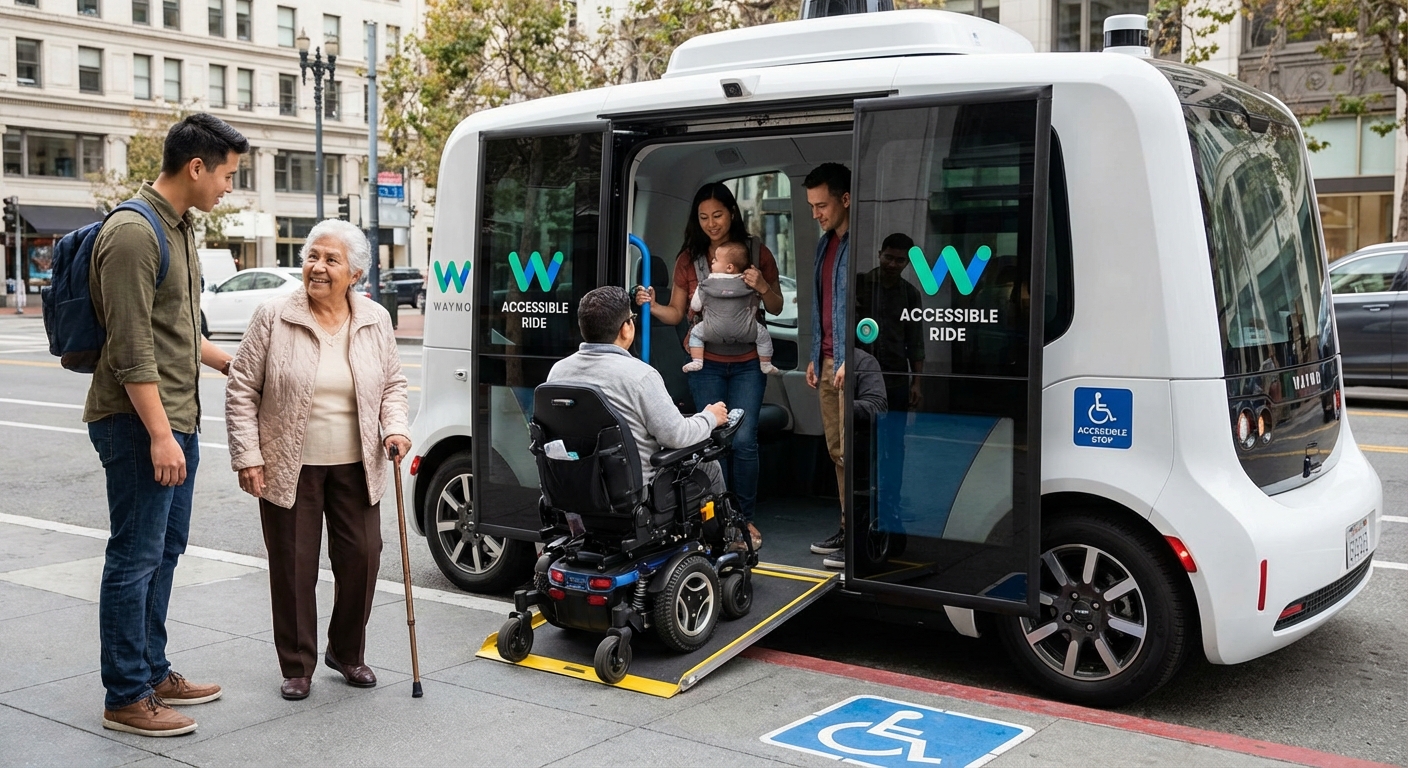
More Than Just a Tech Upgrade
While the vision of smoother, safer roads is exciting, we must also have a sincere conversation about the challenges. The most immediate concern is the economic impact on the thousands of Malaysians who earn their living as taxi and ride-hailing drivers. The transition to an autonomous fleet won’t happen overnight, but it does demand that we think proactively about reskilling programmes and creating new job opportunities within this future transport system. Roles in fleet management, remote vehicle operation, cybersecurity, and maintenance will become crucial. We need to prepare our workforce for this shift, ensuring that progress doesn’t leave people behind.
Navigating the Road Ahead
For autonomous vehicles to become a reality, technology alone isn’t enough. A clear and robust regulatory framework is essential. The government, transport authorities, and industry players will need to collaborate to establish rules for safety, liability, and data privacy. Public trust is another major hurdle. We need to be confident that these vehicles are safe and reliable. This can be built through transparent pilot programmes and public education campaigns. Looking at autonomous vehicle trends Southeast Asia, we can see neighbours like Singapore making steady progress with controlled public trials. Malaysia has an opportunity to learn from these examples and create a framework that fits our unique urban and social landscape.

Are Malaysians Ready for the Shift?
The arrival of driverless technology represents a true paradigm shift. It will change more than just our commute; it will alter how we design our cities and live our daily lives. Professionals in urban planning, logistics, and data science will find new challenges and opportunities. For consumers, it means rethinking car ownership altogether. Why own a vehicle that sits idle 95% of the time when you can summon a ride whenever you need one? As a nation, preparing for this shift means fostering digital literacy and encouraging a mindset of lifelong learning. The journey towards adopting self-driving cars Malaysia is as much about people as it is about technology.
In conclusion, the robotaxi revolution is fast approaching, and it holds the key to unlocking a new era of urban transport. The promise of reduced congestion, improved safety, and greater accessibility offers a compelling vision for the future of Malaysian Mobility. However, realising this vision requires a balanced and thoughtful approach. We must address the real-world challenges, particularly the economic impact on today’s drivers and the critical need for sensible regulations. By fostering collaboration between the government, industry, and the public, we can navigate the road ahead with confidence. The conversation about Robotaxis is a conversation about our future, and it is one we must all be a part of as we steer towards a smarter, more connected Malaysia, keeping pace with autonomous vehicle trends Southeast Asia.

0 Comments