
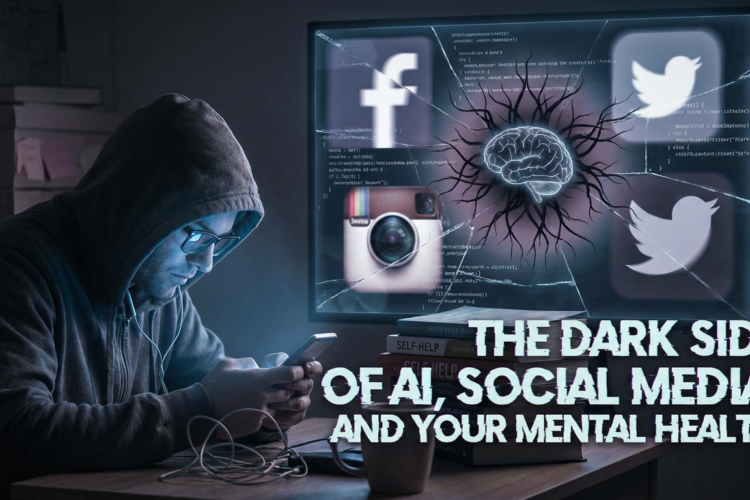
The Dark Side of Digital Innovation: AI, Social Media, and User Well-being
That endless scroll through your social feed, the surprisingly accurate movie recommendation, the news alert that seems to know what you’re thinking—these are the subtle signs of powerful technologies at work. We embrace these digital tools for their convenience and connection, often without a second thought. However, a global conversation is growing louder, pulling back the curtain on the hidden costs of this innovation. From courtrooms in the United States to secure government networks, difficult questions are being asked about the impact of artificial intelligence and social media on our lives. As active participants in the digital world, it is a conversation that we in Malaysia must join, exploring the darker side of the tech we use every day.
The Hidden Cost of the Social Feed
The platforms we use to connect with friends and family are now under intense scrutiny. A prominent example is the legal battle facing Instagram’s parent company, Meta, where it is being challenged over features alleged to cause social media addiction, particularly among younger users. This isn’t just about screen time; it’s about the very design of the platforms. Algorithms are crafted to keep us engaged for as long as possible, using psychological triggers that can lead to comparison, anxiety, and a distorted sense of reality. This raises serious questions about the impact on social media mental health, a concern that is especially relevant in Malaysia, a nation with one of the highest social media penetration rates in Southeast Asia. Are we trading our well-being for fleeting digital validation?

When AI Makes the Decisions
Beyond our social feeds, artificial intelligence is quietly becoming more integrated into critical systems. Consider the Pentagon’s push to deploy advanced AI across its classified networks. The goal is to process information and make decisions faster than any human could. While the aim is enhanced security, it opens a Pandora’s box of ethical dilemmas. Who is responsible if an AI makes a catastrophic error in a high-stakes environment? How do we prevent biases from being coded into these all-important systems? This high-stakes application of AI highlights a core challenge of our time: ensuring that as machines become more capable, they remain aligned with human values and under human control. This isn’t science fiction; it’s a present-day reality that demands a strong framework of digital ethics.
A Global Call for Accountability
From the personal impact of social media to the societal implications of autonomous AI, a clear theme is emerging: the need for greater transparency and accountability. All over the world, users, regulators, and even tech employees are demanding a change. They are pushing back against the “move fast and break things” culture that defined the early days of the internet. Instead, the call is for a more responsible approach—one where technology is developed with a user-centric mindset. This means designing platforms that respect user autonomy, protect personal data, and prioritise well-being over engagement metrics. The era of unchecked digital expansion is coming to an end, slowly being replaced by a movement towards more thoughtful and humane technology.

Why This Matters for Malaysia
This global shift has direct implications for us here in Malaysia. As consumers, we must become more conscious of the technologies we invite into our lives. It’s about more than just privacy settings; it’s about understanding how platforms influence our moods and choices. We can support this change by choosing services that are transparent about their data practices and by being mindful of our own digital consumption habits. For Malaysian tech professionals, developers, and policymakers, the challenge is to be at the forefront of this ethical evolution. As we build our own digital economy, we have the opportunity to embed principles of safety, fairness, and a focus on social media mental health into the foundations of our technology sector.
Building a More Balanced Digital Future
The technologies shaping our world offer incredible potential, but they are not neutral. The cases of Instagram’s psychological impact and the Pentagon’s AI ambitions show two sides of the same coin: powerful tools that carry significant risks. The unchecked pursuit of innovation has led us to a critical point where we must address the effects on our privacy, mental state, and societal structures. Here in Malaysia and across the globe, the path forward requires a more balanced approach. It is no longer enough to just build technology that works; we must build technology that works for people. By staying informed, demanding accountability, and championing stronger digital ethics, we can help steer innovation towards a future that enhances our humanity, not diminishes it.


0 Comments