
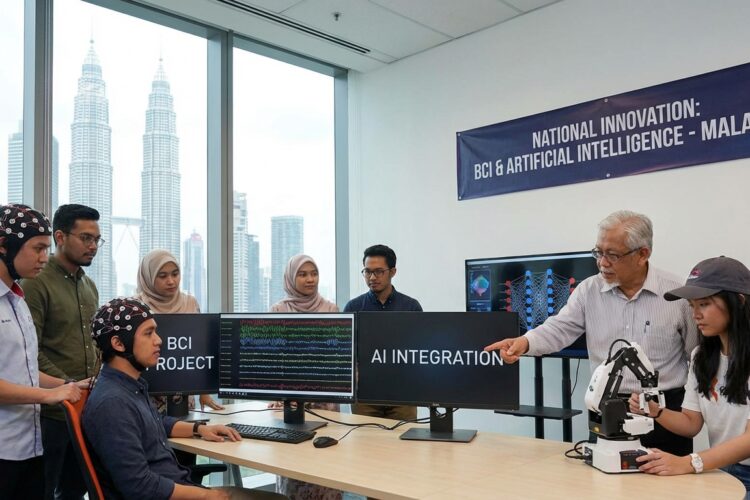
Have you ever wished you could send a message, search for information, or control your smart home devices just by thinking about it? What sounds like a scene from a science fiction film is rapidly moving into the realm of possibility. The way we interact with technology is on the brink of a monumental shift, moving beyond keyboards and touchscreens into something far more personal and direct. Trailblazing companies like Elon Musk’s Neuralink are pushing the boundaries, developing technologies that aim to connect the human brain directly to digital devices. For us here in Malaysia, this isn’t just a fascinating story to follow; it represents the dawn of a new era where our relationship with technology could become deeper and more intuitive than ever before.
The Limits of Our Current Connection
For decades, our primary ways of communicating with our digital devices have been through physical actions. We type on keyboards, click a mouse, or swipe on a screen. While these methods have served us well, they create a bottleneck. Our thoughts move at an incredible speed, but translating them into a physical command is a relatively slow process. This gap between the speed of thought and the speed of action is a fundamental limitation. We are now seeing the development of technologies designed to close this gap, aiming to create a fluid, more natural extension of our own minds into the digital world. This is not about replacing our current methods, but about adding a new, powerful layer of interaction.
The Breakthrough of Brain-Computer Interfaces
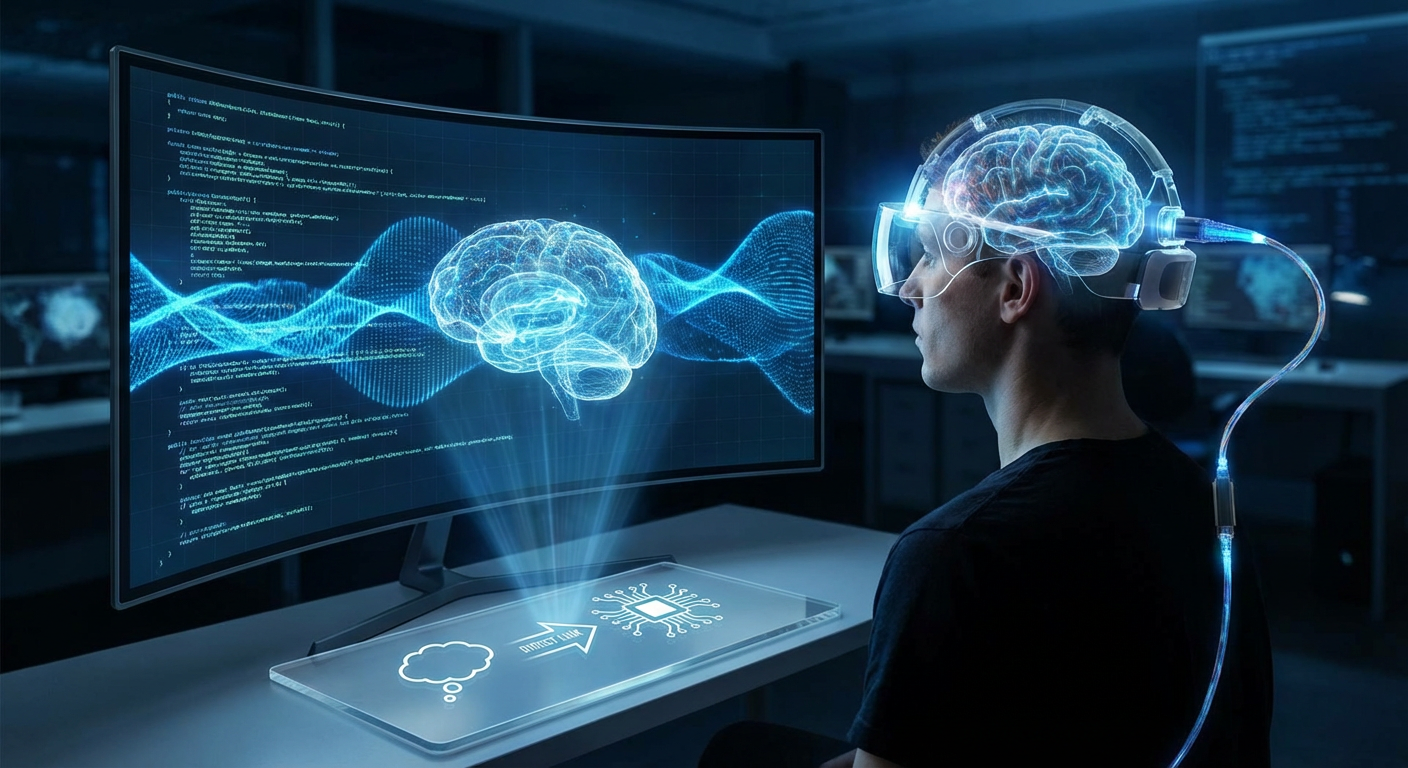
At the heart of this revolution is the emergence of Brain-Computer Interface Technology. Put simply, these are systems that create a direct communication pathway between the brain’s electrical signals and an external device, like a computer or a smartphone. Neuralink is at the forefront of this field, moving from theory to tangible prototypes. Initially focused on medical applications, such as helping individuals with paralysis regain control and communication, the long-term vision is much broader. The goal is to develop a safe, high-volume device that could one day be available to the general public. This means we are potentially only a few years away from a future where our devices don’t just respond to our touch, but to our intentions directly.
AI: The Brain’s Digital Interpreter
A brain-computer interface on its own only provides raw data—complex patterns of neural activity. Making sense of this data is where Artificial Intelligence (AI) plays a crucial role. AI algorithms are trained to recognise specific brain patterns and translate them into actionable commands. For example, the intention to move a cursor to the left generates a specific neural signature that the AI can learn to identify. This powerful synergy leads to a new form of AI-Powered Human-Machine Interaction. The AI acts as a sophisticated translator, turning the complex language of the brain into the simple binary language of a machine, making the entire interaction feel seamless and intuitive.
What This Means for Us in Malaysia
The arrival of these technologies in the Malaysian market holds immense potential. For a start, it could transform accessibility, offering new independence to people with physical disabilities. Beyond that, imagine the possibilities in our daily lives. Smart homes in Kuala Lumpur or Penang could adjust lighting and temperature based on our mental state. Professionals could draft documents or analyse data more efficiently. The creative industries could unlock new forms of artistic expression and entertainment, creating immersive experiences that respond directly to a user’s thoughts and emotions. As a digitally-forward nation, Malaysia is in a strong position to not just adopt this technology, but to become a hub for developing applications for it.

Getting Ready for a Thought-Powered World
As we stand on the cusp of this transformative era, it is important to consider how we prepare. The advancement of Brain-Computer Interface Technology is not just a technical challenge; it also brings up important conversations about data privacy and ethics. Who has access to our thoughts, and how is that information protected? Fostering a new generation of developers, engineers, and ethicists in Malaysia will be key to navigating this new landscape responsibly. Furthermore, a new wave of AI-Powered Human-Machine Interaction will require us to adapt and learn new skills. Encouraging curiosity and digital literacy across all age groups will ensure that everyone has the opportunity to benefit from this incredible technological leap, rather than being left behind.
In conclusion, the line between human cognition and digital technology is becoming increasingly blurred, and it’s incredibly exciting. We are moving away from the physical constraints of keyboards and screens towards a future of direct, thought-driven control. Technologies pioneered by companies like Neuralink are turning science fiction into a tangible reality that could soon reach our shores in Malaysia. The combination of advanced brain-computer interfaces and sophisticated AI promises a more intuitive, efficient, and deeply personal relationship with our devices. While there are challenges and ethical questions to address, the potential benefits are immense. We are not just witnessing the next step in technological evolution; we are at the very beginning of a new chapter in what it means to be human in a digital world.



0 Comments