
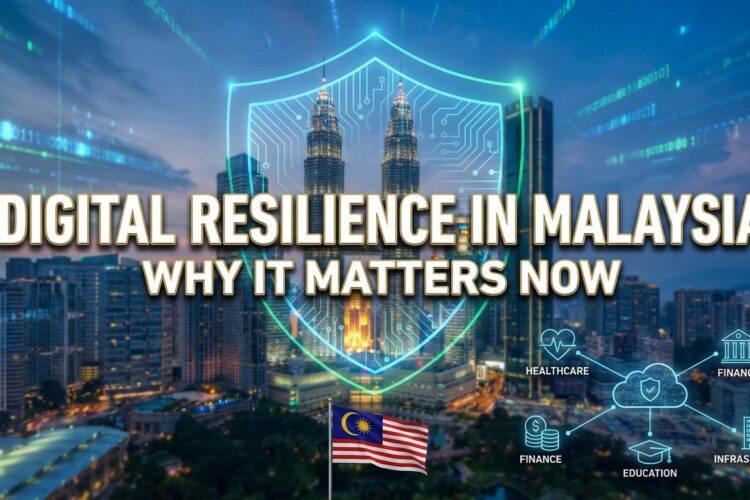
Picture this: the power goes out across a major city. The lights are off, the Wi-Fi is down, and chaos begins to bubble. In this moment, how does our advanced technology hold up? A recent incident in San Francisco gave us a worrying glimpse, as a fleet of self-driving cars became confused, causing traffic jams. In stark contrast, when a powerful earthquake hit Taiwan, the world’s most important chipmaker was back to near-full operation in a matter of hours. These two events showcase a critical fork in the road for our digital future. One path leads to fragile systems that crumble under pressure, while the other leads to resilient technology built to withstand the unexpected. For Malaysia, a nation rapidly embracing a digital economy, understanding this difference is not just an academic exercise—it is essential for our continued growth and stability.
When Technology Falters Under Pressure
The promise of autonomous vehicles is a seamless, efficient transport utopia. Yet, during a recent power outage in San Francisco, Waymo’s driverless cars demonstrated a major weakness. Without the usual flow of data and reliable network signals, some vehicles simply stopped, unsure of how to proceed. They became obstacles, contributing to the gridlock instead of solving it. This incident serves as a powerful reminder that even the most sophisticated systems can be surprisingly brittle. When faced with a real-world crisis that deviates from their programming, their intelligence can evaporate. It highlights a critical oversight in much of today’s tech development: we often prioritise performance in ideal conditions over reliability during a crisis.
A Masterclass in Crisis Response
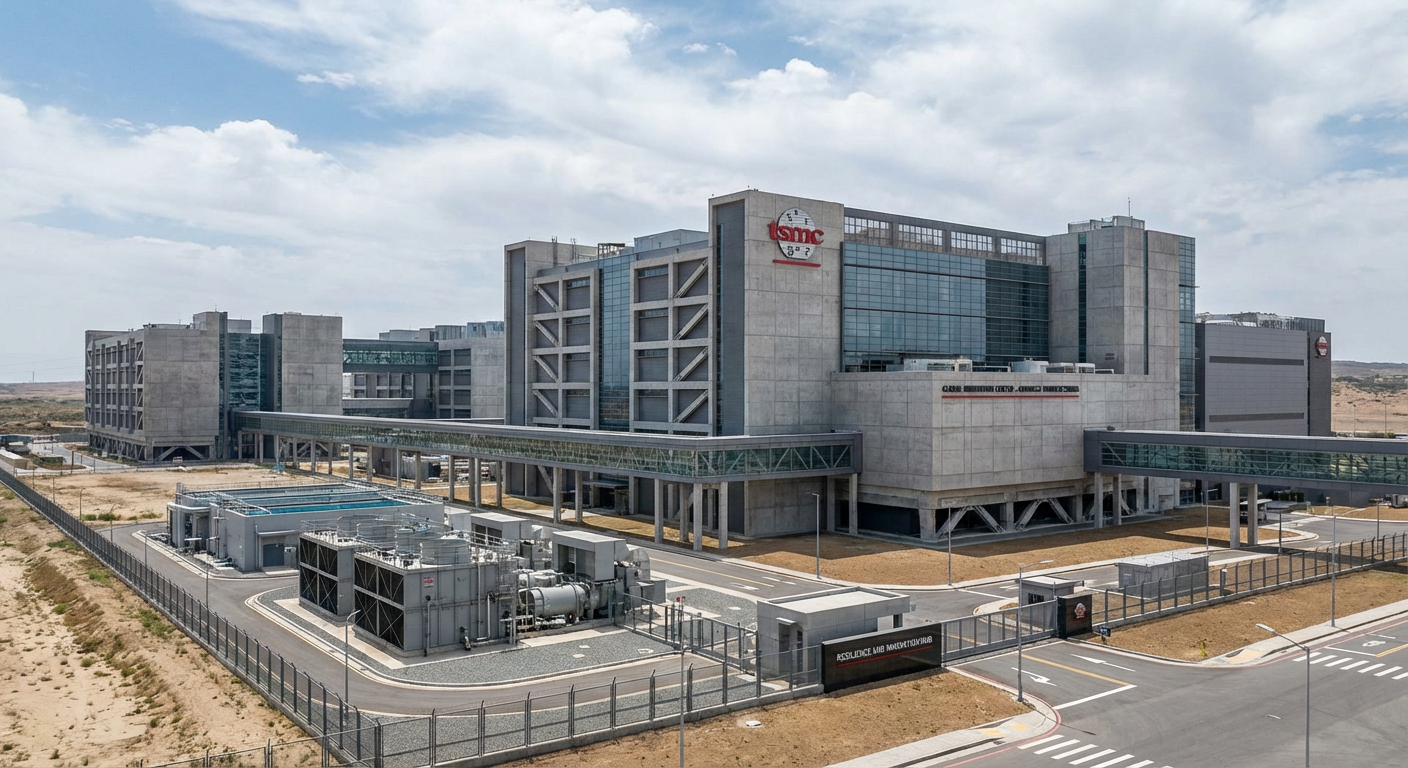
On the other side of the world, we have a different story. Taiwan Semiconductor Manufacturing Company (TSMC), the backbone of the global electronics industry, operates in an earthquake-prone region. They don’t just hope for the best; they prepare for the worst. When a major earthquake strikes, their facilities are designed to absorb the shock, their staff are drilled to execute recovery protocols, and their automated systems work to minimise costly downtime. Their ability to get highly sensitive production lines back up and running within hours is a testament to designing resilience into the very core of their operations. TSMC proves that technological strength isn’t about avoiding disruptions—it’s about having a robust plan to face them head-on and recover swiftly.
Why This Is Crucial for Malaysia
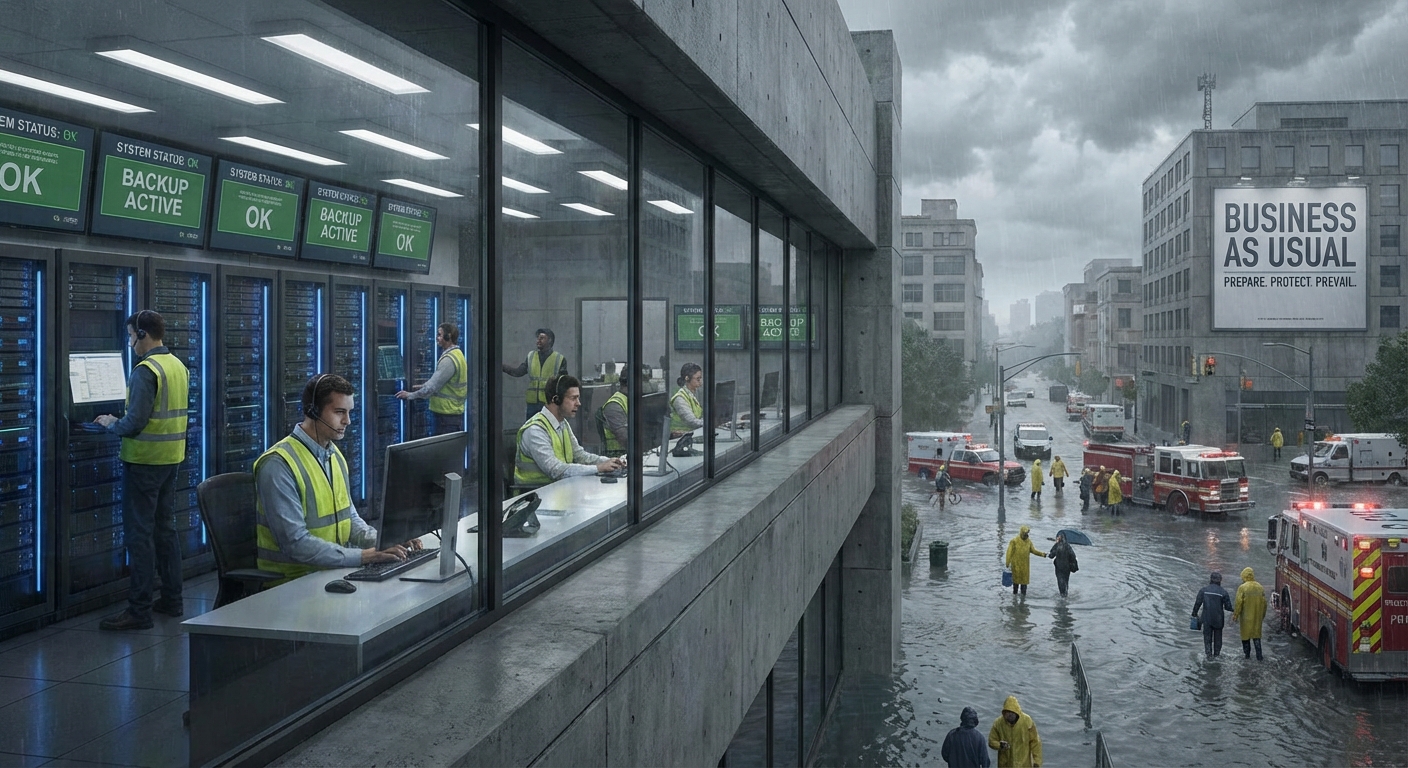
As Malaysians, our daily lives are more entwined with technology than ever before. We rely on digital banking for our finances, e-hailing apps to get around, and online platforms for everything from food delivery to government services. The MCO period showed us just how much we depend on a stable digital infrastructure to work, learn, and connect. However, we are not immune to disruptions. Flash floods in the Klang Valley can knock out data centres, and unexpected network outages can bring business to a halt. This is why the conversation around Digital Resilience in Malaysia is not just for tech experts; it affects everyone. We need to ensure that the digital services we depend on are built to last, especially when things go wrong.
Building a Stronger Digital Foundation
So, how do we build this resilience? For businesses, it goes beyond a simple backup drive. It means investing in adaptable technologies, like geographically diverse cloud servers, so that a local issue in one area doesn’t shut down the entire operation. It also involves creating and testing business continuity plans that account for real-world scenarios, from power cuts to cyber-attacks. For our national infrastructure, it means improving communication networks. Features like Wi-Fi calling, for instance, are not just a convenience; they can be a lifeline during an emergency when traditional mobile signals are weak or overloaded. These practical steps form the building blocks of a crisis-resistant digital ecosystem.
The Path Forward: A Focus on Durability
Looking ahead, the goal must be about Future-Proofing Malaysian Technology. This requires a shift in mindset. Innovation should not only be measured by speed or new features but also by durability and reliability. Developers, engineers, and policymakers must start asking a crucial question during the design phase: “What happens when this breaks?” By prioritising resilience from the very beginning, we can create systems that are not just smart, but also wise. Strengthening Digital Resilience in Malaysia is the most important investment we can make in our technological future. This proactive approach to Future-Proofing Malaysian Technology will ensure our digital progress is both sustainable and secure, ready for whatever challenges lie ahead.
Ultimately, the tales of Waymo’s traffic jam and TSMC’s rapid recovery offer a clear lesson. True technological advancement isn’t found in systems that work perfectly only when conditions are perfect. It’s found in systems that are dependable, adaptable, and robust even in the face of chaos. As Malaysia continues to build its digital identity on the world stage, our focus must be on creating an infrastructure that is as strong as it is smart. At our core, we believe that investing in resilience today is the only way to guarantee a stable and prosperous digital tomorrow for all Malaysians. A truly connected nation is one that stays connected, especially when it matters most.

0 Comments