
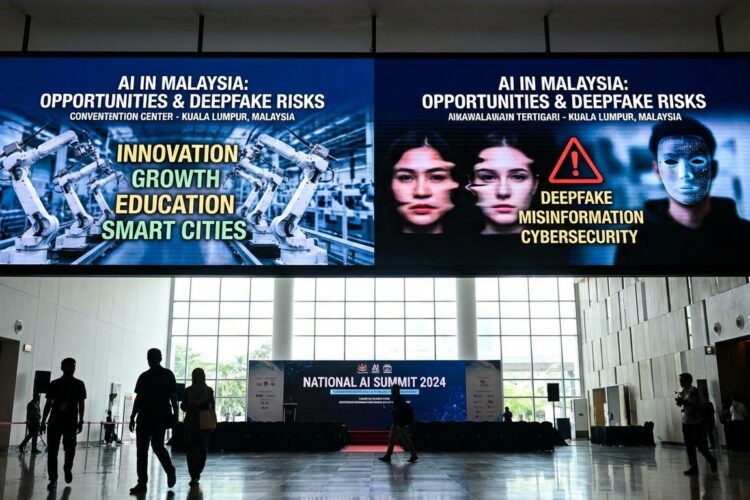
Have you noticed your social media feed seems to know exactly what you want to see? Or how your banking app can approve a transaction in seconds? This isn’t magic; it’s the quiet hum of artificial intelligence working behind the scenes, and it’s already a significant part of our daily lives here in Malaysia. Far from being a distant sci-fi concept, **Artificial Intelligence in Malaysia** is actively reshaping our industries, from finance to the very content we consume online. At our core, we believe in demystifying technology, and this transformation is too important to ignore. In this article, we’ll explore the real-world opportunities AI is creating, confront the more complicated challenges it presents, and discuss why a responsible approach is essential for every Malaysian professional and enthusiast.
Unlocking New Opportunities in Digital Malaysia
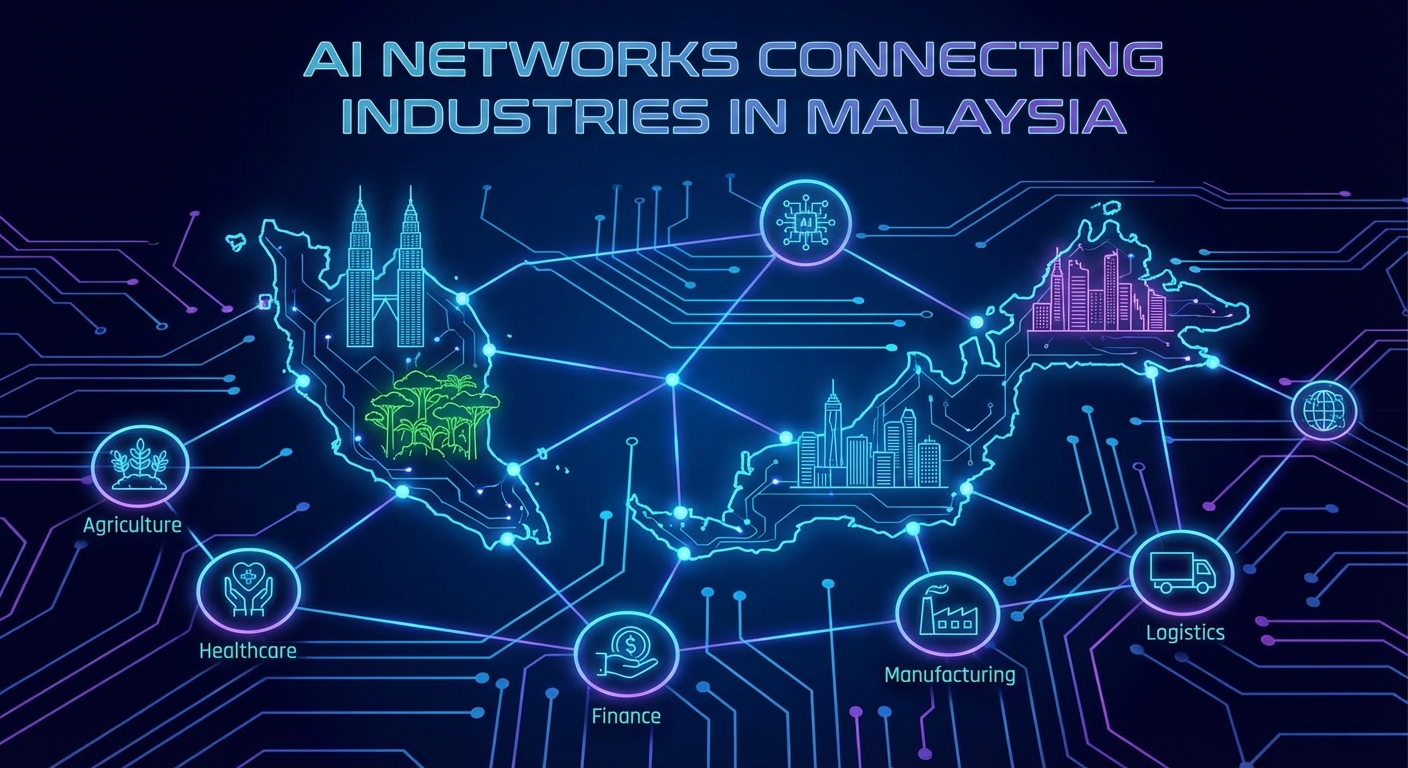
The wave of digital transformation, powered by AI, is bringing tangible benefits to Malaysian businesses and consumers. In the digital media space, AI algorithms are the engine behind the personalised content that keeps us engaged. Streaming services recommend shows based on our viewing history, and e-commerce platforms show us products we’re likely to buy. For content creators and marketers in Malaysia, this means an unprecedented ability to connect with the right audience more effectively, moving beyond generic advertising to create genuinely relevant experiences. Similarly, our financial technology, or FinTech, sector is experiencing a massive boost. AI-driven systems are making banking more secure through advanced fraud detection and more accessible through robo-advisors that offer investment advice to a broader audience. These advancements are key markers of the current AI trends in Malaysia.
The Double-Edged Sword of AI Content
However, with great power comes new and complex challenges. As AI’s ability to generate content becomes more sophisticated, the line between what is real and what is fabricated begins to blur. The most prominent example of this is deepfake technology. These are AI-generated videos or images that can realistically swap a person’s face or create a convincing imitation of their voice. While the technology has creative applications, its potential for misuse is alarming. Imagine a fake video of a public figure making a controversial statement or a scammer using a loved one’s likeness to ask for money. This rise in hyper-realistic fakes demands a new level of digital literacy from all of us as we navigate the online world.
Navigating the Rise of Deepfakes
The conversation around Deepfake technology in Malaysia is becoming increasingly urgent. Verifying the authenticity of digital content is no longer a simple task. For professionals, especially in journalism, law, and cybersecurity, this presents a significant hurdle. How can we trust video evidence if it can be convincingly faked? For the average person, it raises concerns about personal security and the spread of misinformation. Tackling this requires a combination of technological solutions—such as AI models designed to detect other AIs—and, more importantly, public education. We must all learn to approach online content with a healthy dose of scepticism and know the signs of potential digital manipulation.

The Call for Responsible and Ethical AI
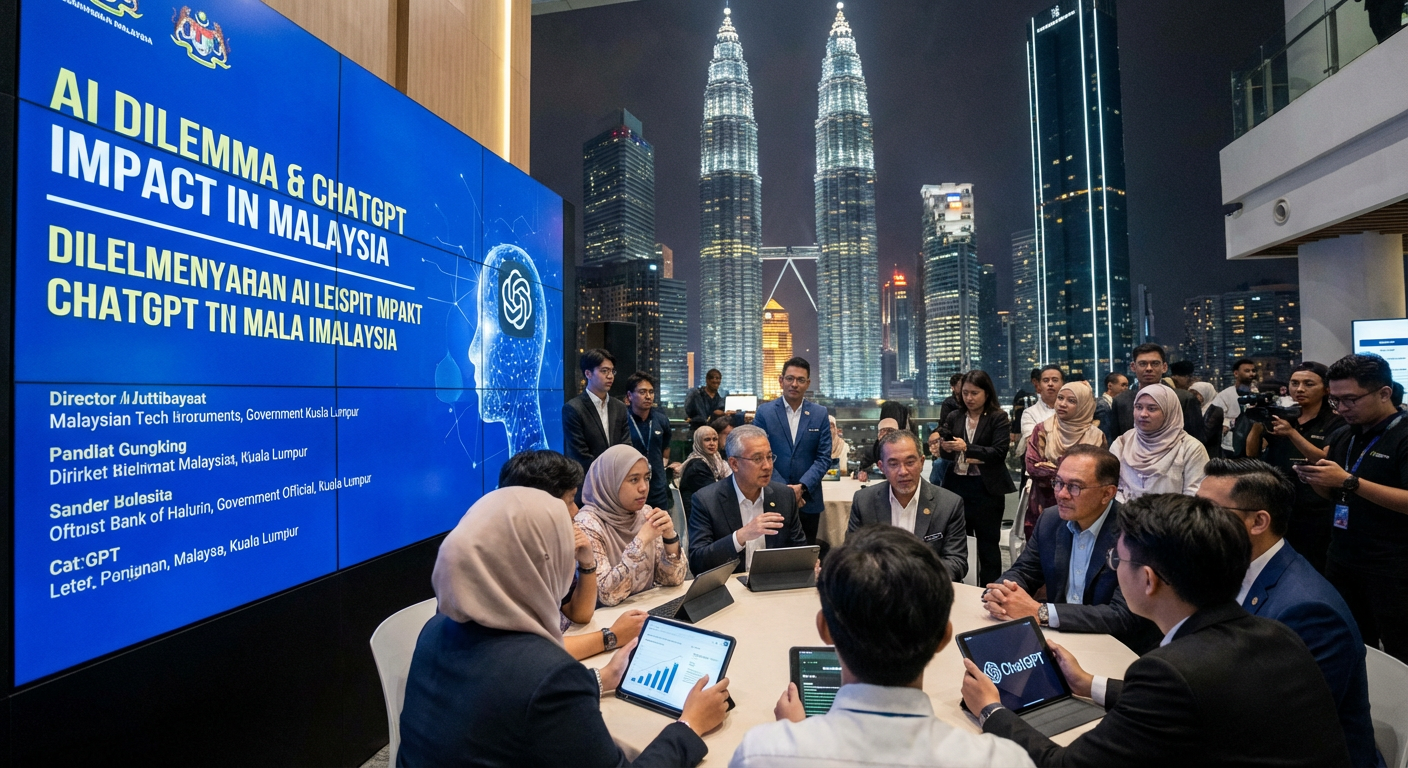
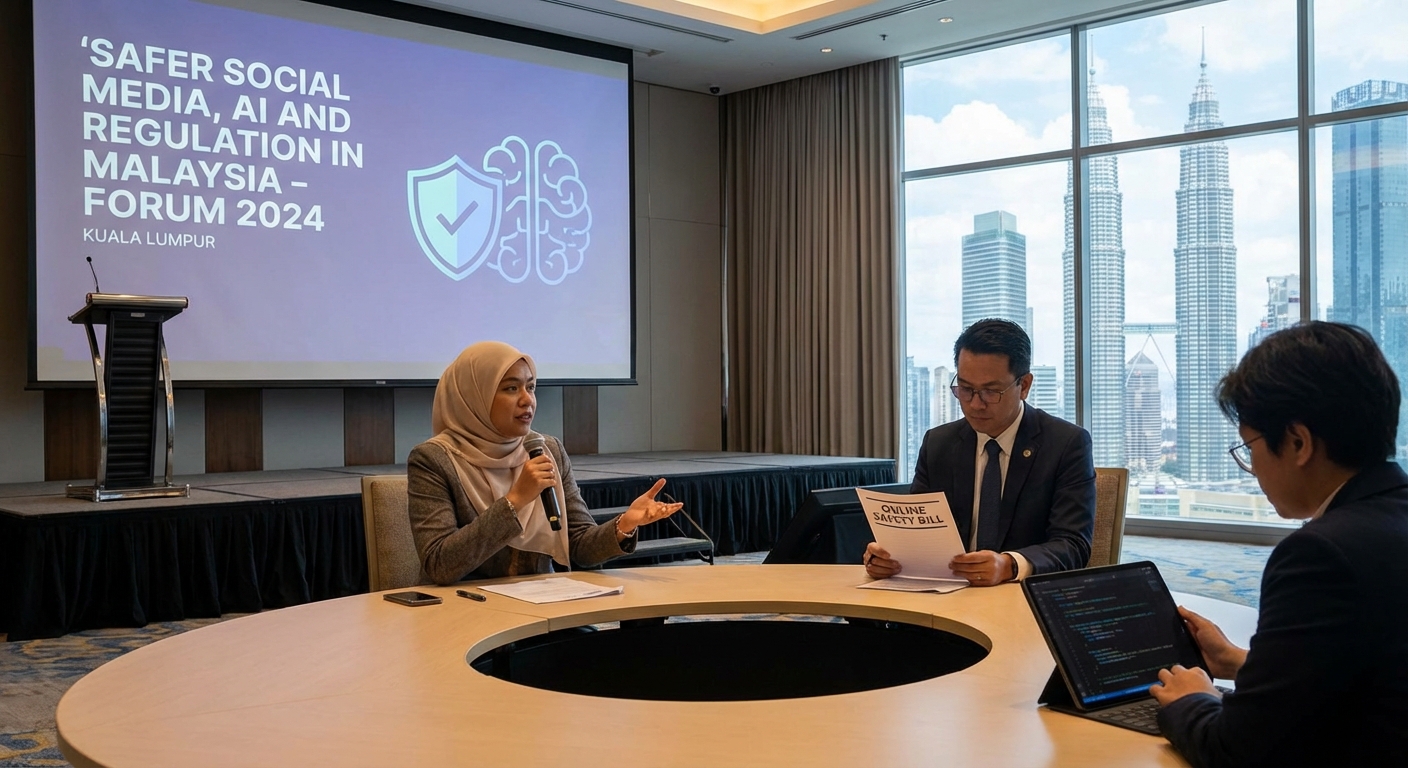
As we integrate AI deeper into our society, we cannot overlook the ethical implications. The data used to train AI models can contain hidden biases, which could lead to unfair outcomes in areas like hiring or loan applications. Who is responsible when an AI makes a mistake? How do we ensure our personal data is being used ethically and with our consent? These are not just questions for developers; they are crucial considerations for businesses and policymakers in Malaysia. Championing responsible AI development—practices that prioritise transparency, fairness, and accountability—is essential. For our nation to truly benefit from AI, we must build a framework of trust around it, ensuring that this technology serves humanity, not the other way around.
Embracing the AI Future, Thoughtfully
The era of **Artificial Intelligence in Malaysia** is well and truly here, presenting a landscape rich with opportunity but also marked by new risks. From revolutionising our financial services to changing how we create and consume media, its influence is undeniable. As we explore the evolving AI trends in Malaysia, we see incredible potential for innovation and growth. However, the simultaneous rise of challenges like Deepfake technology in Malaysia reminds us that progress must be paired with caution. The way forward isn’t to fear innovation but to embrace it with our eyes wide open. By staying informed, championing ethical practices, and fostering a culture of critical thinking, we can navigate the complexities of the AI era and build a future where technology empowers all Malaysians, responsibly and securely.

0 Comments