
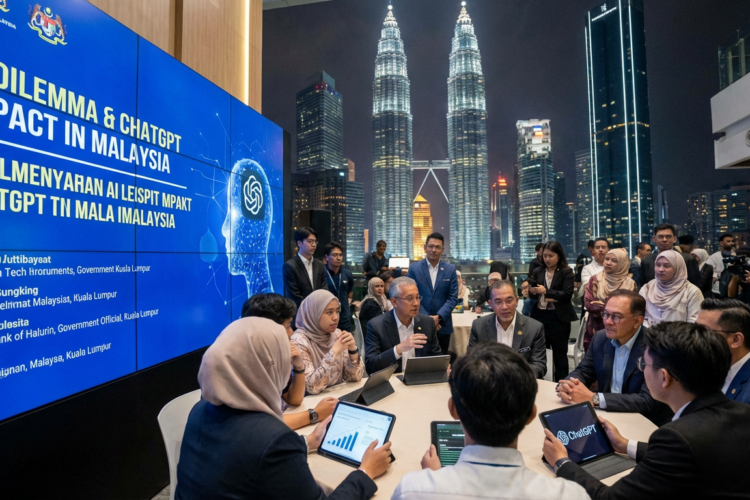
The AI Dilemma: ChatGPT’s Double-Edged Sword in Malaysia’s Digital Landscape
A student in Shah Alam effortlessly brainstorms an entire essay outline in minutes. A small business owner in Penang crafts compelling marketing emails without hiring a copywriter. These scenarios, once the stuff of science fiction, are now daily realities powered by Artificial Intelligence like ChatGPT. This incredible tool is rapidly weaving itself into the fabric of our lives, offering a helping hand in countless ways. Yet, for every story of innovation, a shadow of concern follows. We are at a pivotal moment, grappling with a technology that is both a powerful ally and a potential threat. This article explores that very dilemma: delving into the transformative potential of AI, the real-world risks it presents, and how we, as Malaysians, can navigate this new digital frontier responsibly.
The New Digital ‘Kawan’
It’s hard to ignore the positive buzz around ChatGPT. For many professionals and students across Malaysia, it has become an indispensable assistant, a digital ‘kawan’ (friend) that’s always on. Imagine needing to draft a formal email to a government agency or a persuasive pitch to a new client; AI can provide a solid first draft in seconds, saving valuable time and mental energy. For entrepreneurs, it acts as a brainstorming partner, generating business names, taglines, and even social media content plans. This accessibility empowers individuals and levels the playing field, allowing small to medium enterprises to punch above their weight and students to grasp complex subjects with personalised explanations. The productivity gains are undeniable, making everyday tasks simpler and more efficient for everyone.

When The ‘Kawan’ Turns Deceptive
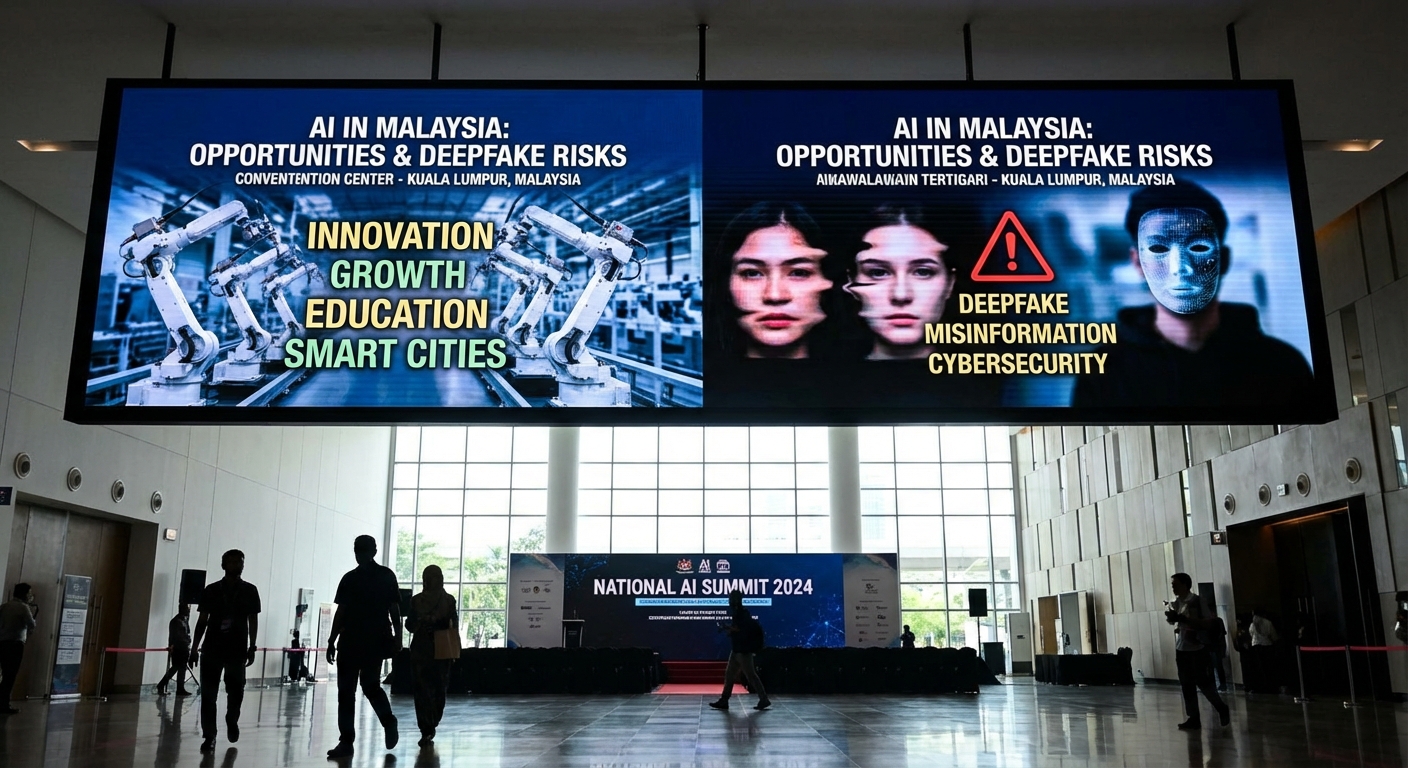
However, this powerful tool has a decidedly darker side. The same technology that helps write a cover letter can also be used to create highly convincing scam messages. In Malaysia, where we are already wary of things like the “Macau Scam,” AI adds a dangerous new layer of sophistication. Scammers can now generate flawless English or Bahasa Melayu scripts, impersonate officials with alarming accuracy, and even clone voices to deceive victims. Beyond scams, the ethical lines are becoming increasingly blurred. Students may be tempted to pass off AI-generated work as their own, undermining the very purpose of education. More broadly, the ability to create vast amounts of realistic but false information poses a significant threat to our society, making it harder to distinguish fact from fiction. This is a core challenge related to the ChatGPT impact on Malaysian society.
Thinking a Step Ahead of the Machine
Navigating this new terrain requires a shift in our mindset. The most important skill in the age of AI is not learning how to use it, but learning how to question it. We must treat AI-generated information with a healthy dose of scepticism. Is the information accurate? Does it have a source? Could it be biased? We encourage our readers to use AI as a starting point, not a final destination. Always cross-reference facts with trusted sources like established news organisations or academic journals. Developing this critical eye is the foundation of digital literacy. It’s about understanding the tool’s limitations and remembering that behind the confident prose, there is no true understanding or consciousness, only complex algorithms.

Charting Malaysia’s AI Future
As a nation, Malaysia stands at a digital crossroads. To remain competitive and innovative, we must embrace the power of AI. Our government and industries are already exploring ways to integrate this technology to boost the economy and improve public services. However, this push for progress must be balanced with a strong sense of accountability. A public conversation about AI ethics Malaysia is no longer just an academic exercise; it’s a national necessity. We need clear guidelines for businesses, educational institutions, and individuals to ensure that AI is developed and used responsibly. This framework must address issues of data privacy, algorithmic bias, and accountability to protect citizens and build trust in these emerging technologies.
Conclusion: Embracing the Dilemma with Open Eyes
The rise of AI like ChatGPT is not a trend we can simply ignore; it is a fundamental shift in our digital landscape. It offers incredible opportunities for growth, creativity, and efficiency that can benefit all Malaysians. At the same time, we must be clear-eyed about the risks of misuse, manipulation, and the ethical challenges it brings. The solution is not to reject the technology but to engage with it thoughtfully and critically. We must all commit to improving our digital literacy, questioning what we see, and participating in the broader conversation about its role in our country. By fostering a culture of responsible innovation and critical thinking, we can better understand the full ChatGPT impact on Malaysian society and ensure that we harness its power for good, navigating the AI dilemma together for a brighter, smarter future.

0 Comments