
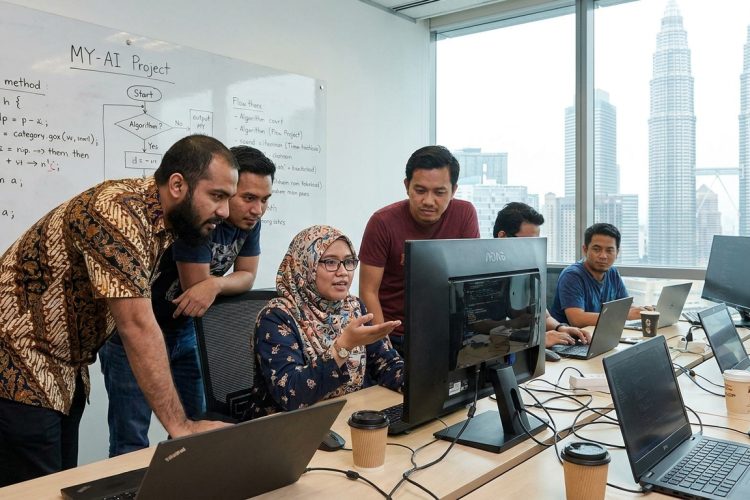
Imagine a future where the lights stay on, powered entirely by the sun and wind, even long after the sun has set and the breeze has died down. This isn’t a distant dream; it’s the reality being built today, piece by piece. As Malaysia pushes forward with its ambitious renewable energy goals, a critical question emerges: how do we store this clean energy for when we need it most? The answer lies not just in traditional batteries, but in a wave of new and exciting storage technologies. From giant containers of hot sand to the powerful computer brains managing our grids, these solutions are the key to unlocking a truly sustainable energy future for our nation. This article explores these game-changing innovations and what they mean for businesses and homes across Malaysia.
The Problem with Sunshine and Wind
Renewable energy sources like solar and wind are fantastic for the planet. They produce clean electricity without the harmful emissions of fossil fuels. However, they have one major challenge: intermittency. The sun doesn’t shine at night, and the wind doesn’t always blow. This creates a mismatch between when we generate power and when we actually need it, particularly during the evening peak hours when families return home and switch on their lights and air-conditioners. Without a reliable way to store the excess energy generated during sunny or windy periods, we cannot depend on renewables 100%. This is the puzzle that energy storage is designed to solve—acting as a bridge to provide clean power on demand, 24/7.
Finland’s Brilliant Sand Battery
When you think of a battery, you probably picture the lithium-ion cells in your phone or laptop. But what if a battery could be made from something as simple and abundant as sand? In Finland, a company has done just that, creating a massive “sand battery” that can store heat for months. The concept is refreshingly simple. When there is plenty of cheap electricity from solar or wind, it is used to heat a large, insulated silo filled with sand to about 500°C. This stored heat can then be extracted whenever needed to warm homes and offices through a district heating network. It’s a low-cost, low-tech solution that uses readily available materials, showcasing the kind of creative thinking needed to advance sustainability in energy technology.
The Brains Behind the Power Grid
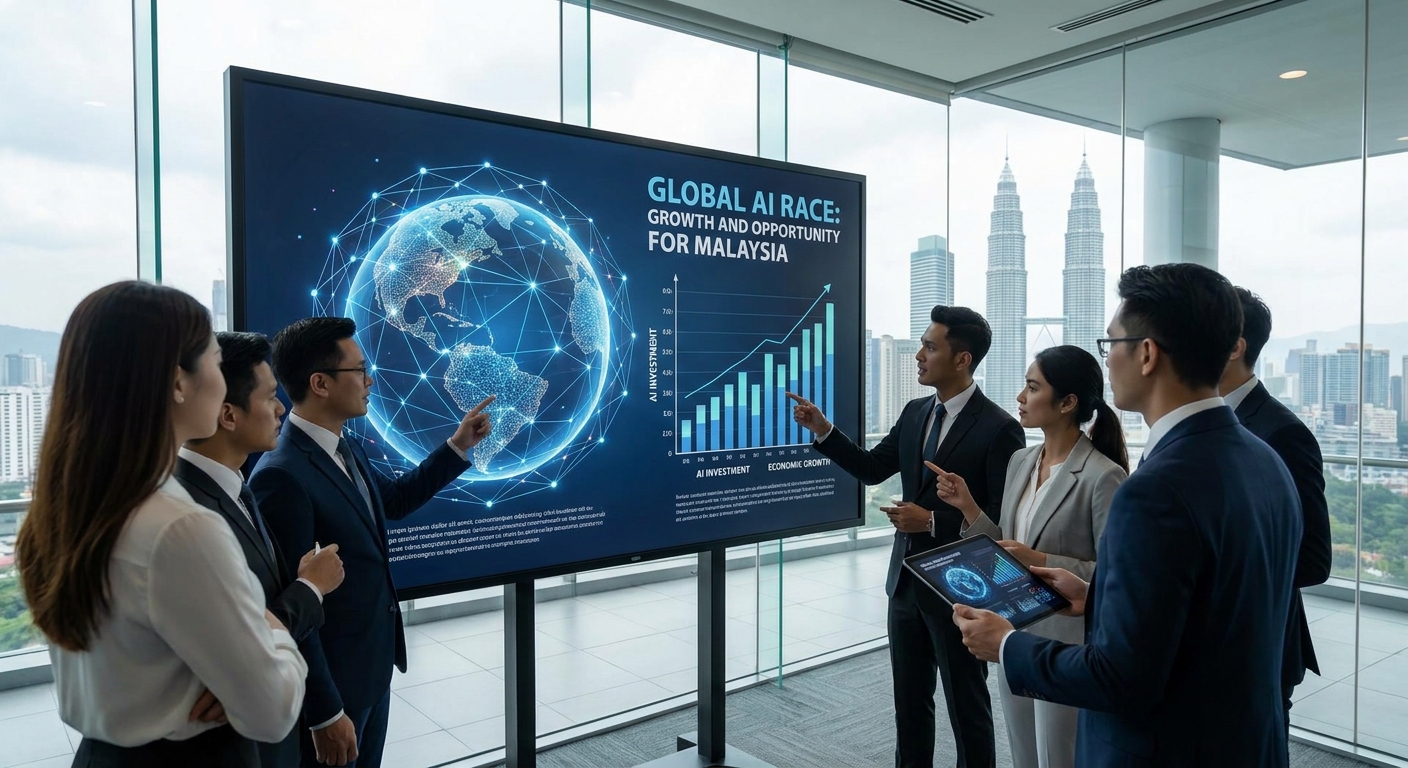
While physical storage like the sand battery is crucial, managing a modern grid powered by renewables requires immense brainpower. This is where technology companies like Nvidia come in. Known for their powerful graphics cards, Nvidia is also investing heavily in technologies like high-bandwidth memory (HBM). While this tech directly powers artificial intelligence (AI) and high-performance computing, its impact on the energy sector is profound. AI algorithms, running on these powerful chips, can manage the incredible complexity of a modern energy grid. They can predict energy demand with pinpoint accuracy, optimise the flow of power from thousands of solar panels, and decide in real-time the best moment to store or release energy. In short, this technology acts as the smart control system for our future energy network.
What This Means for Malaysia
These global innovations are not just interesting stories from afar; they are directly relevant to Malaysia’s future. Under the National Energy Transition Roadmap (NETR), Malaysia is aiming to significantly increase its renewable energy capacity, with a strong focus on solar power. However, to make this transition a success, we must address energy storage. Imagine large-scale solar farms in Pahang or Kedah generating huge amounts of power during the day. Innovations like sand batteries could potentially store this energy as heat for industrial use, while advanced, AI-driven grid management ensures that every electron is used efficiently. For Malaysian businesses, embracing these technologies can lead to more stable energy costs and a smaller carbon footprint. For households, it promises a reliable supply of clean energy, rain or shine.
The Latest Renewable Energy Storage Trends
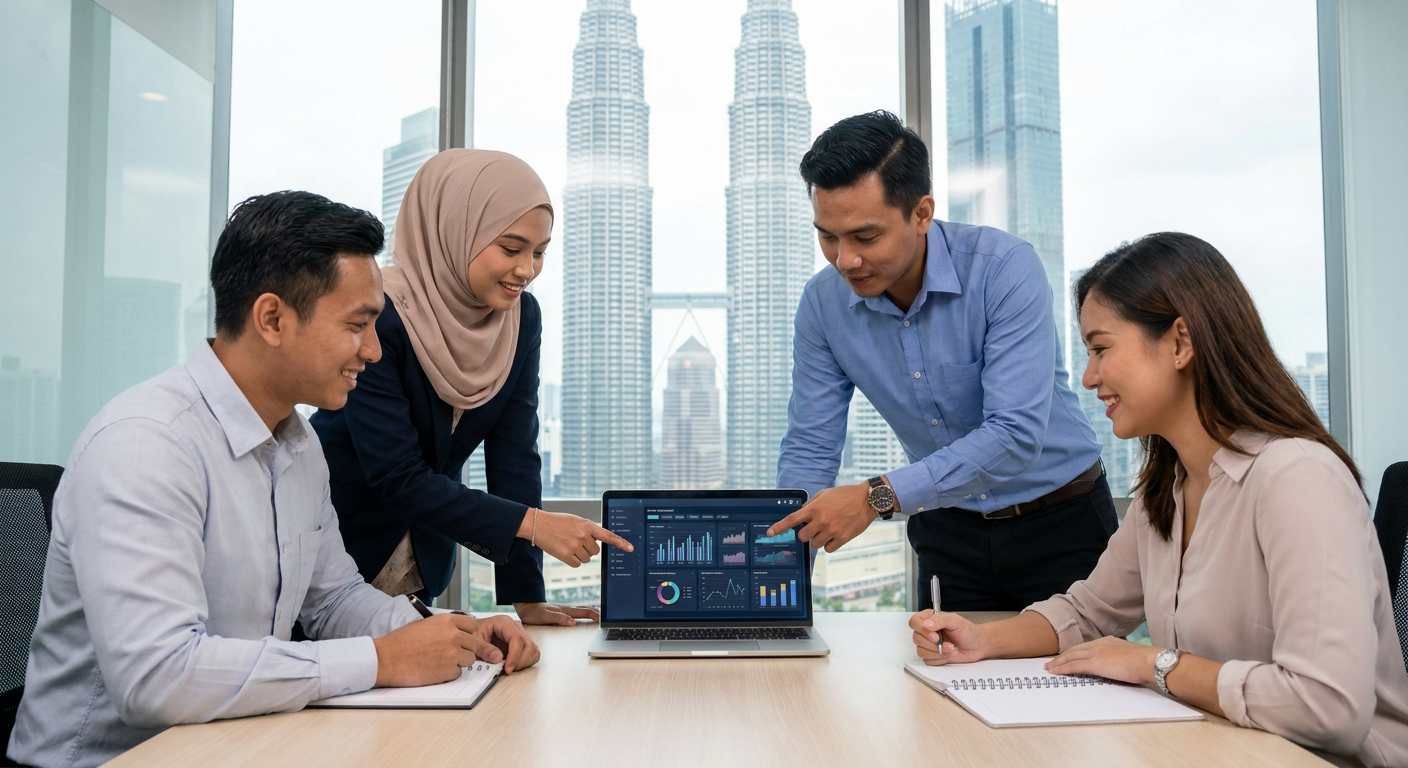
The field of energy storage is evolving rapidly, offering a diverse toolkit to secure our green energy future. Beyond sand and lithium-ion batteries, researchers are exploring a variety of exciting concepts. One of the most talked about **renewable energy storage trends** is gravity storage, where excess electricity is used to lift massive weights, which are then lowered to generate power when needed. Another is green hydrogen, where renewable electricity splits water into hydrogen and oxygen. This hydrogen can be stored indefinitely and used later in fuel cells to produce electricity with water as the only byproduct. These, along with advancements in flow batteries and other chemistries, are creating a rich and competitive landscape of solutions.
A Clean and Constant Energy Future
The path to a fully renewable energy system is paved with innovation, and energy storage is the cornerstone of this journey. As we have seen, the solutions are as diverse as they are ingenious. From the simple elegance of Finland’s sand battery to the complex AI algorithms managing our future grids, the tools we need are taking shape. For Malaysia, embracing this shift is not just an environmental choice but an economic necessity. Investing in these technologies will build a more resilient and independent energy system, create new economic opportunities, and secure a cleaner environment for generations to come. The promise of **sustainability in energy technology** is that we no longer have to choose between a thriving economy and a healthy planet; with the right storage solutions, we can confidently power our future with the clean, abundant energy all around us.

0 Comments